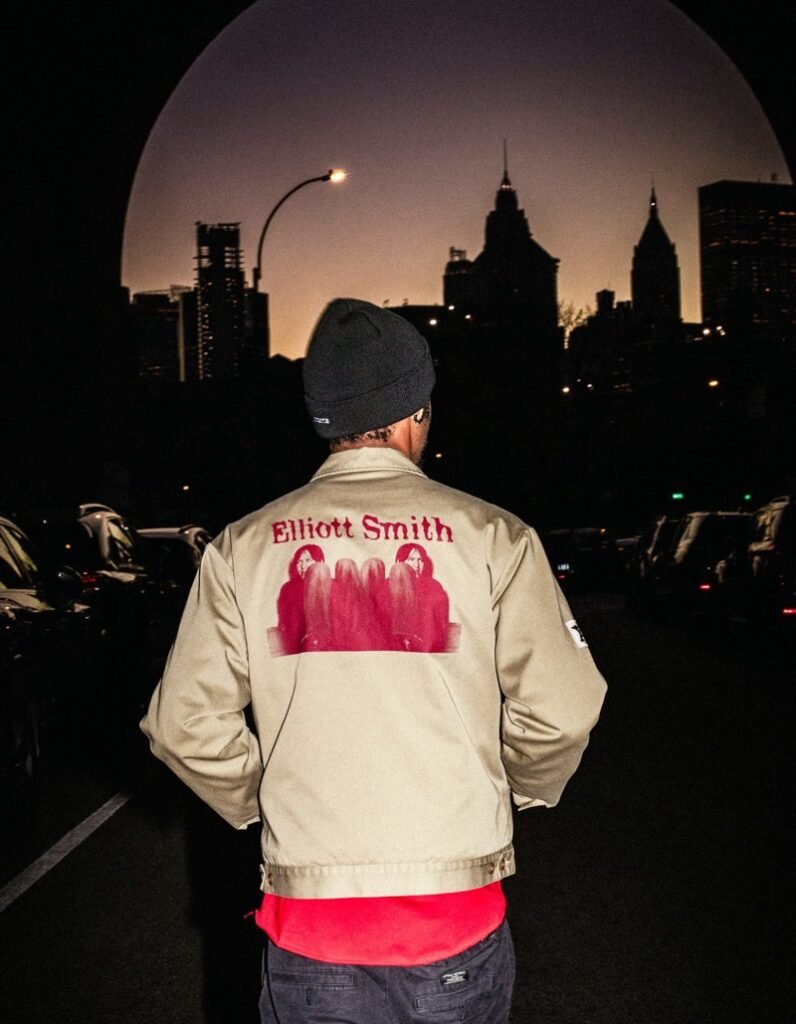
Uss Jakarta: Southeast Asia’s premier street culture gathering brings exclusive drops, collaborative releases, and three days of designer convergence back to Indonesia’s capital.
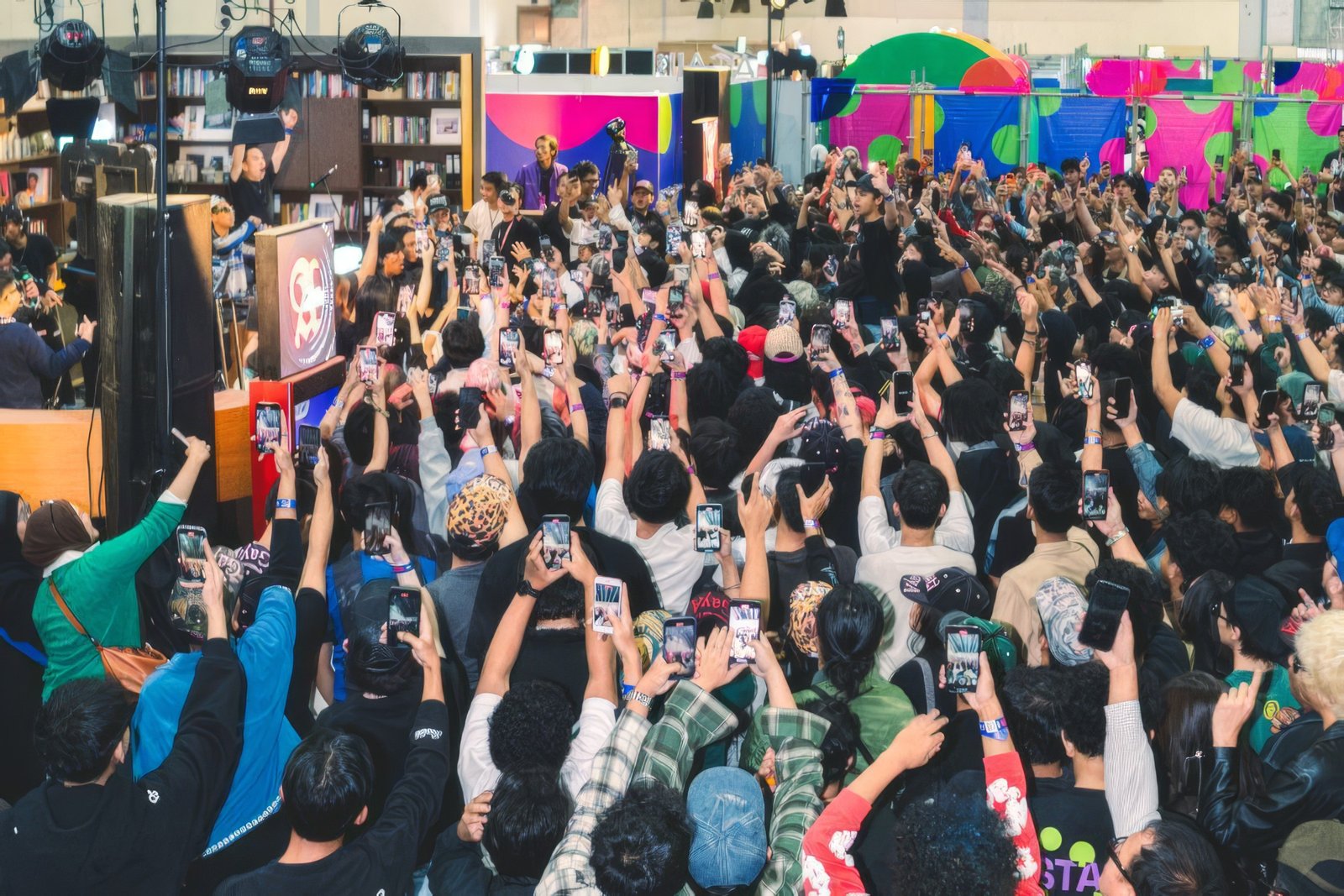
USS Jakarta is returning to the Jakarta International Expo Center at Senayan for its November 6 through 8 edition, cementing itself as the region’s most significant gathering for streetwear designers, emerging brands, and creative culture participants. The three-day event will draw more than 300 participants from across Indonesia and Southeast Asia, creating what has become the most concentrated marketplace for independent street culture labels and limited-edition releases in the region.
USS Jakarta’s Scale in Southeast Asia’s Street Culture Market
What distinguishes USS Jakarta from the fragmented streetwear landscape across Southeast Asia is its ability to consolidate the region’s creative energy into a single destination. The JICC Senayan venue provides the physical infrastructure for brands ranging from established Indonesian labels to emerging designers from Thailand, Vietnam, Malaysia, and the Philippines to showcase work simultaneously. The convergence of 300-plus participants creates a rare moment where the entire regional streetwear ecosystem becomes visible and accessible in one location.
The event operates as both retail marketplace and cultural statement. Brands use the platform to introduce new collections, announce collaborative efforts, and test consumer response to experimental designs. For collectors and enthusiasts across Southeast Asia, USS Jakarta functions as an annual reset point where the year’s most significant drops, most talked-about collabs, and most visible new talent all surface within 72 hours.
Exclusive Releases and Collaboration Strategy
The draw for vendors and collectors alike centers on the exclusivity model embedded in USS Jakarta’s format. Brands plan their calendar around the event, timing new releases specifically for the three-day window. This creates artificial scarcity and urgency that extends beyond typical retail cycles. Labels known for collaboration work use USS Jakarta as a launching pad for limited partner projects, which then circulate through the region’s streetwear networks via social media documentation and resale platforms.
The collaborative drops represent some of the most closely watched announcements within Indonesian street culture. Established brands partnering with emerging designers, international names linking with local makers, and cross-border Southeast Asian collaborations all traditionally find their debut stage at USS Jakarta. This positions participating brands not merely as vendors but as tastemakers shaping the region’s creative direction.
The Overlooked Infrastructure Layer
What most casual observers miss about USS Jakarta’s impact is how thoroughly it has become the distribution and validation mechanism for the entire regional streetwear supply chain. Beyond the visible retail floor, the event functions as a business-to-business networking platform where wholesale relationships are negotiated, future collaborations are plotted, and the region’s independent brands gain access to distribution channels they could not otherwise reach. The three-day duration forces genuine face-to-face commerce in an era when most transactions migrate online.
The JICC Senayan location itself carries strategic weight. As a major convention and expo venue in the heart of Indonesia’s capital, the space legitimizes street culture as a meaningful economic and cultural sector. The choice of venue signals that USS Jakarta operates at the same professional scale as business conferences, design markets, and international trade shows, rather than positioning street culture as a subcultural sideshow.
For the November 6 to 8 edition specifically, the timing aligns USS Jakarta with the global streetwear calendar’s peak season. This creates competitive advantage for regional brands entering conversations that typically center on North American and Japanese labels. Collectors and international buyers who visit during this window encounter the full depth of Southeast Asian streetwear production, which remains significantly underrepresented in global media coverage despite the region’s growing manufacturing and design capacity.
USS Jakarta’s return to JICC Senayan for this November edition reaffirms its position as the non-negotiable calendar event for anyone tracking street culture movement in Southeast Asia. The convergence of 300-plus participants across three days generates the kind of concentrated creative energy and commerce that no distributed online platform can replicate. For participating brands, it remains the single most important moment to introduce work, establish partnerships, and claim regional visibility.