Hong Kong Jewelry: A 22% surge in luxury watch and gold sales reveals how China’s wealthy are quietly hedging against Beijing’s reach.
When asset flight becomes fashion, you’re looking at Hong Kong’s jewelry market right now. Hong Kong jewelry sales of watches and gold jumped 22 percent, according to Bloomberg, and the numbers tell a story that goes far deeper than discretionary spending or seasonal demand. This isn’t about wanting a new Rolex. This is about where China’s elite choose to keep their money when they stop trusting the systems at home.
The timing matters. Beijing’s regulatory crackdowns across finance, tech, and real estate have created a climate where wealthy Chinese nationals are actively seeking alternative stores of value. Physical assets, particularly precious metals and timepieces, exist in a space that feels more tangible, more portable, and less vulnerable to sudden policy shifts or capital controls. Gold doesn’t answer to a regulatory body. A Patek Philippe doesn’t require approval from State Council officials. Hong Kong, still operating under a different legal framework despite political pressures, has become the logical landing zone for this cautious repositioning of wealth.
What makes this surge significant isn’t just the percentage gain. It’s that jewelry and watches serve a dual purpose in this context. On the surface, they function as luxury goods and status symbols, which gives wealthy buyers a socially acceptable narrative for their purchases. Underneath, they’re functioning as insurance policies and portable wealth. A high-end mechanical watch or a significant piece of gold carries intrinsic value that crosses borders. It doesn’t depreciate the way a property in Shanghai might under new regulatory pressure. It doesn’t get frozen in a bank account subject to capital control scrutiny.
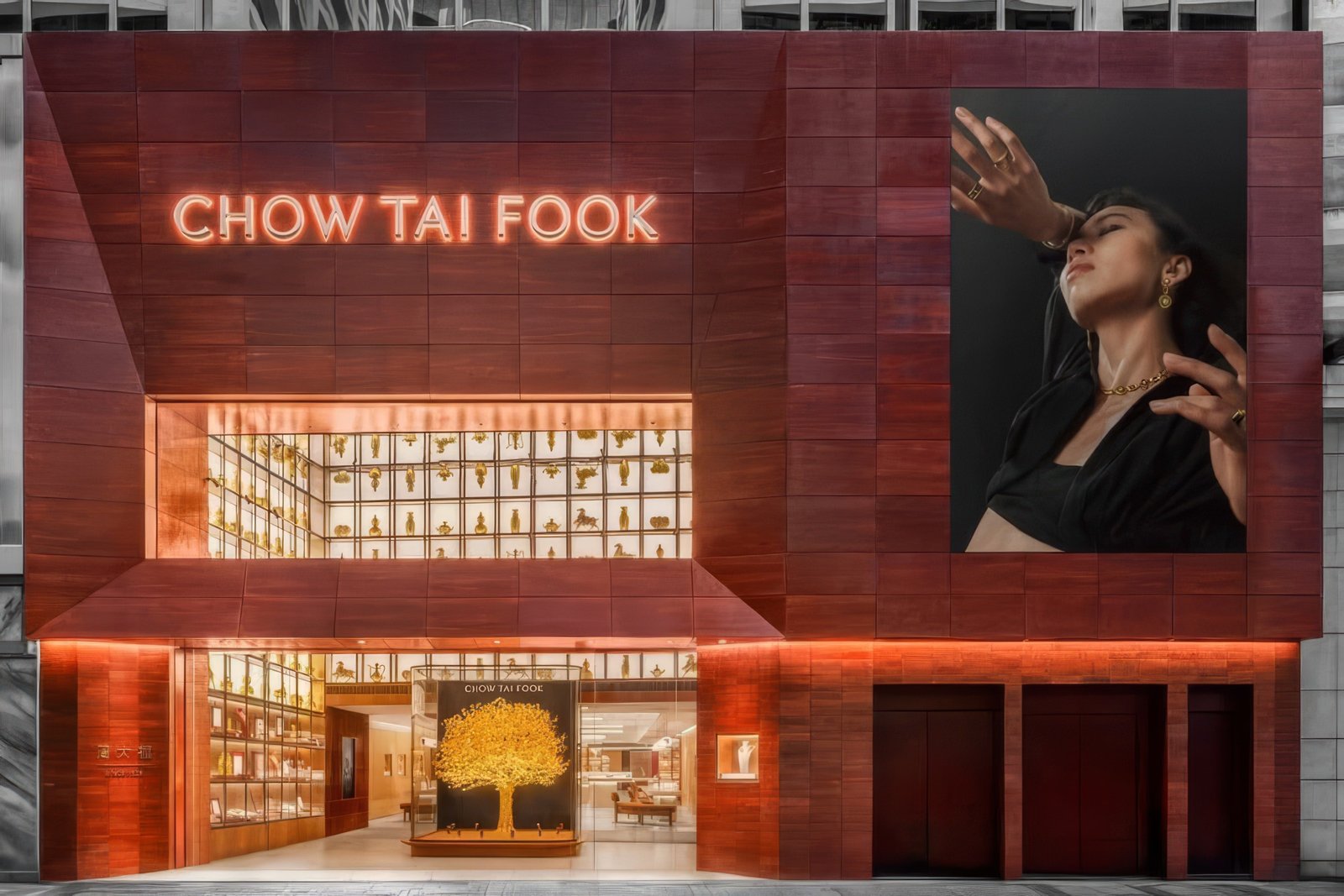
Hong Kong’s position as a free port with minimal import duties and a history as a global jewelry hub amplifies this effect. The city has long been a destination for luxury watch trading and fine jewelry purchases, but what’s happening now feels different in scale and intent. Buyers aren’t just shopping. They’re strategizing. The 22 percent increase represents volume that suggests coordinated behavior among a class of people who’ve calculated similar risks and arrived at similar conclusions about where their assets should sit.
The psychology here tracks with historical patterns. When wealthy populations lose confidence in their home market’s stability, they export their capital in whatever forms available. During previous periods of uncertainty in China, we’ve seen surges in real estate purchases abroad, cryptocurrency adoption, and precious metals accumulation. This jewelry spike fits that exact pattern, just focused on a geographic neighbor with established luxury infrastructure and a reputation as a neutral financial center.
What’s particularly sharp about directing wealth into watches and jewelry rather than pure financial instruments is the opacity it provides. A vault holding gold bars and high-end timepieces generates far less scrutiny than offshore bank accounts or stock portfolios. Customs officials and regulators understand what they’re looking at, but the categorization still falls under luxury consumption rather than capital flight in the most literal sense. It’s a categorization that offers some legal and political cover while accomplishing the same objective.
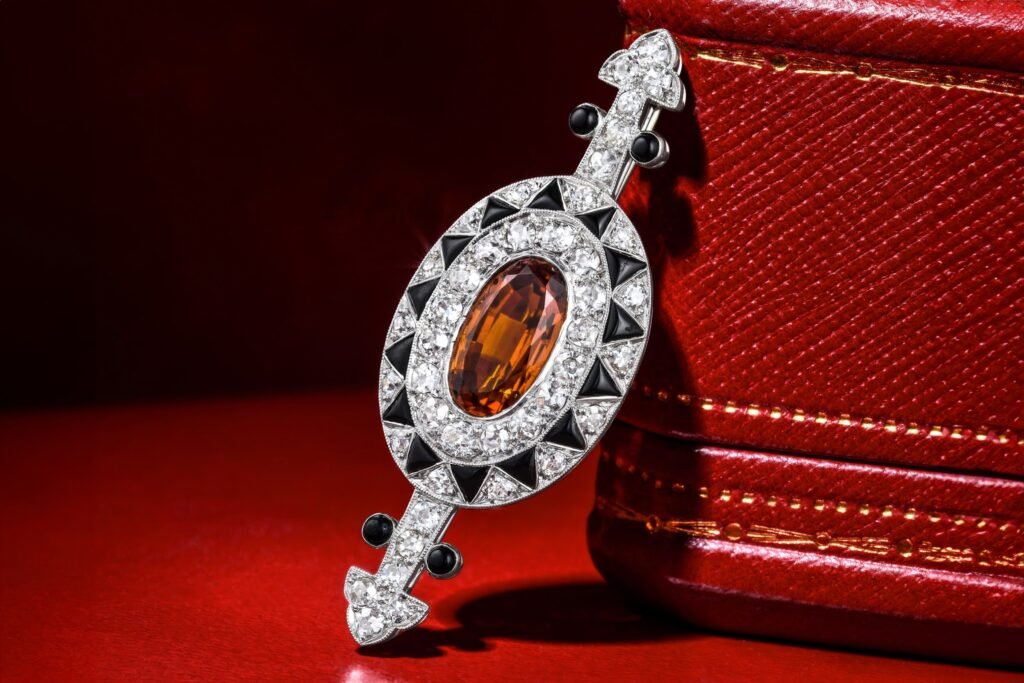
The brands benefiting from this aren’t facing any pressure to acknowledge what’s driving their sales. Luxury watchmakers and jewelry houses maintain their positioning around craftsmanship, heritage, and desirability. That narrative works fine when your actual customer base is operating from a wealth preservation mentality. The buying behavior looks identical whether someone wants a Cartier diamond bracelet for an anniversary or because it holds value better than keeping money in a mainland Chinese bank. The market data captures both equally.
This is ultimately a story about capital seeking safety and finding it through the language of luxury. Hong Kong jewelry surge reflects real anxiety among China’s wealthy class about domestic stability. The market doesn’t distinguish between someone buying for pleasure and someone buying for preservation, but the scale of Hong Kong’s jewelry boom tells us which motivation is driving the numbers right now.