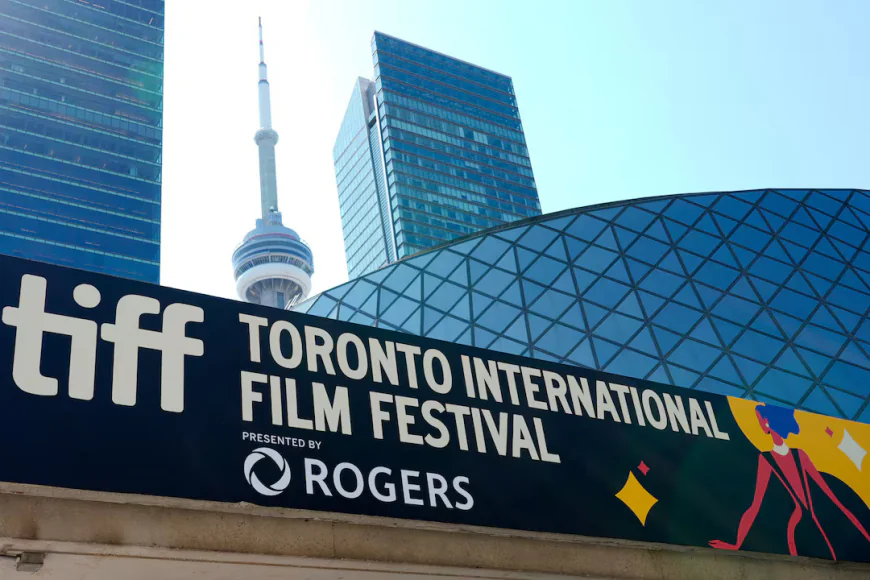
Toronto’s marquee festival drops its complete programme this week, setting the tone for an unpredictable awards season ahead.
August 11 marks the moment when fall cinema stops being theoretical. Toronto International Film Festival’s full 2026 schedule arrives this week, and with it comes the annual reset: the point when industry insiders, critics, and the streaming wars finally have concrete intel on which films will matter in the months ahead. It’s the opening bell for a season that will determine everything from Oscar narratives to which directors regain cultural momentum.
TIFF has evolved into something more than a festival. It functions as a cultural temperature check, a place where emerging directors shoulder their first major international stage and established auteurs test whether their latest gamble connects. The September screening schedule in Toronto has become the unofficial kickoff to the awards conversation, the moment when film Twitter begins its sustained arguments and distributors finalize their release strategies. A film that generates heat at TIFF doesn’t guarantee success, but skipping the festival often signals strategic caution or a calculated choice to build momentum elsewhere.
This year’s programme will arrive amid ongoing flux in how films reach audiences. Streaming platforms continue repositioning themselves as prestige players, independent cinema is fighting for theater real estate, and international filmmakers are operating in an industry where geography matters less and algorithm matters more. TIFF’s role as a filtration system, a place where thousands of submissions get narrowed to roughly 200 films, carries real weight. The curation shapes what conversations dominate the season.
The festival runs through September, meaning the next six weeks will see a cascade of premiere announcements, critical positioning, and the strategic leaks that studios deploy when they want early momentum. August 11 is when that machinery officially starts turning.