Nearly a decade after the concept, SpaceX thrusters will lift a production Roadster in Texas this month.
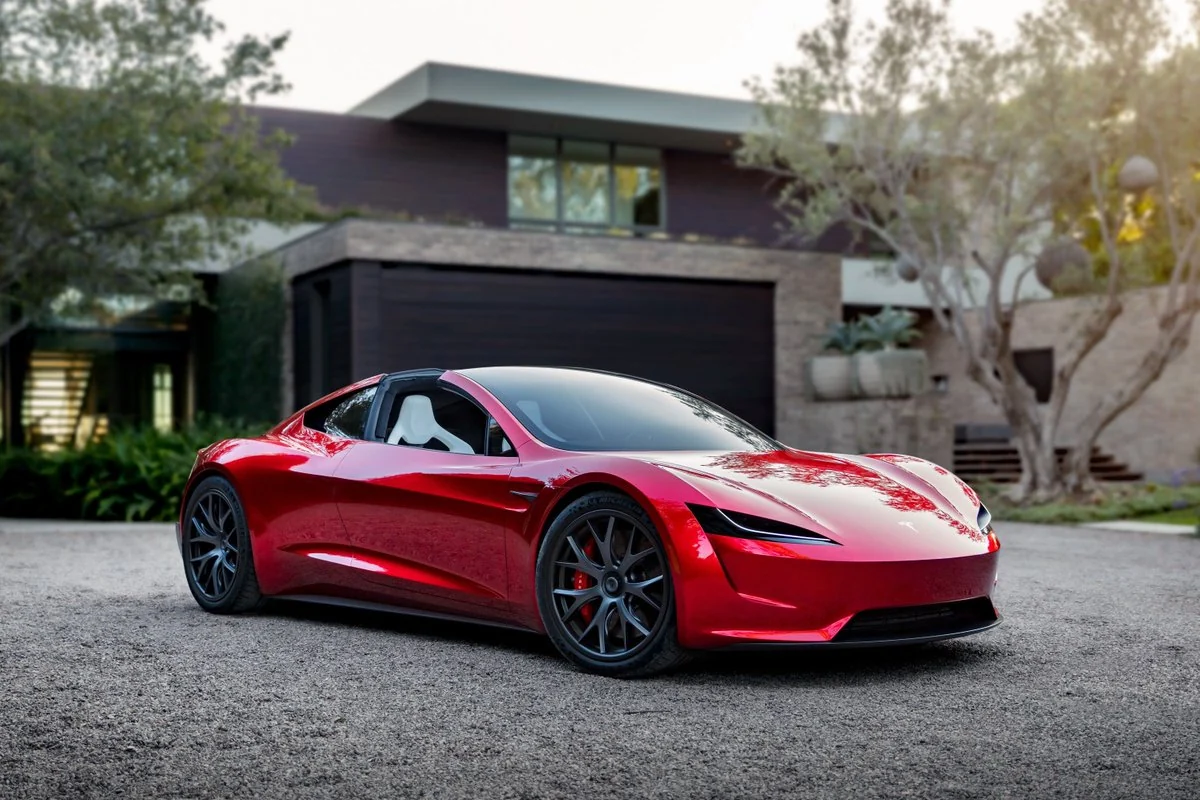
Tesla’s flying Roadster is no longer a fever dream. The company is preparing an imminent demonstration at its McGregor, Texas facility where a production-intent version of the electric sports car will use SpaceX cold-gas thrusters to levitate off the ground. No one will be inside when it happens.
This isn’t some photoshopped fantasy or render floating around Twitter. The original 2017 Roadster concept came with absurdist promises of rocket-powered vertical takeoff, a gimmick that lived in the realm of Elon Musk’s wildest public statements. But somewhere between hype and engineering reality, a functioning prototype apparently materialized. The demonstration vehicle uses thrust vectoring technology sourced from SpaceX’s playbook, the same company that lands rockets nose-first on drone ships. McGregor has been the testing ground for both Tesla and SpaceX projects for years, so the location makes operational sense.
What’s striking isn’t that Tesla is doing this, it’s the production-ready framing. This isn’t a one-off art installation or a lab curiosity. Tesla is positioning this as something closer to a real capability than a stunt, even if the street-legal implications remain mathematically impossible. The unmanned component is the tell. You don’t test a driverless flying car unless you’re serious about gathering real flight data, not just generating headlines. Whether this becomes an actual option buyers can order remains genuinely unclear, but the fact that it’s moving from render to Texas tarmac in August 2026 signals Tesla has invested real engineering resources into making it happen.