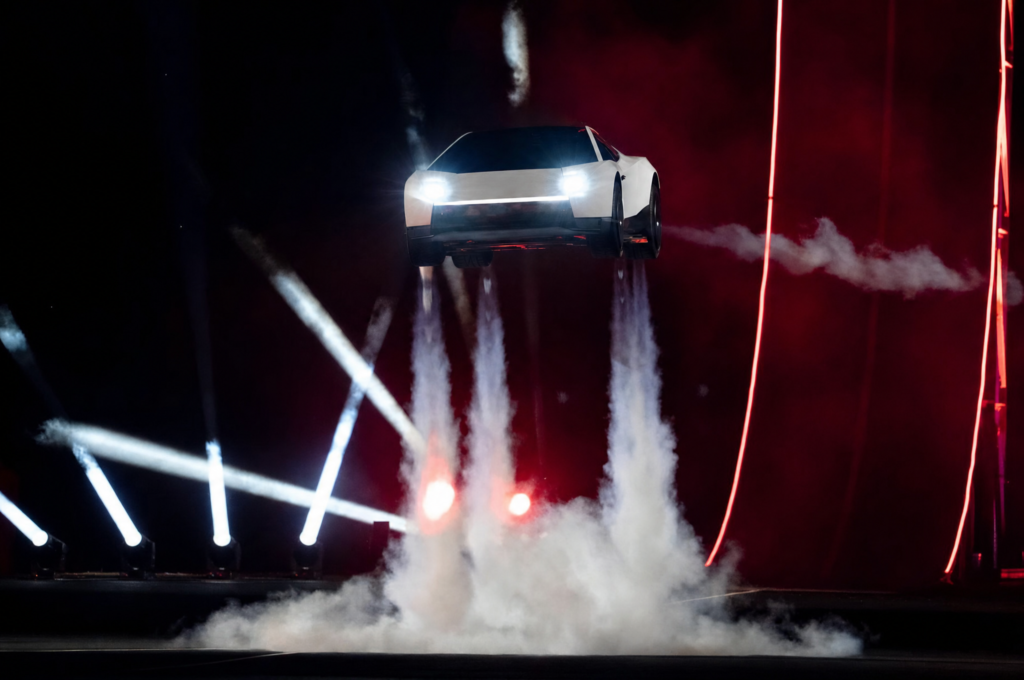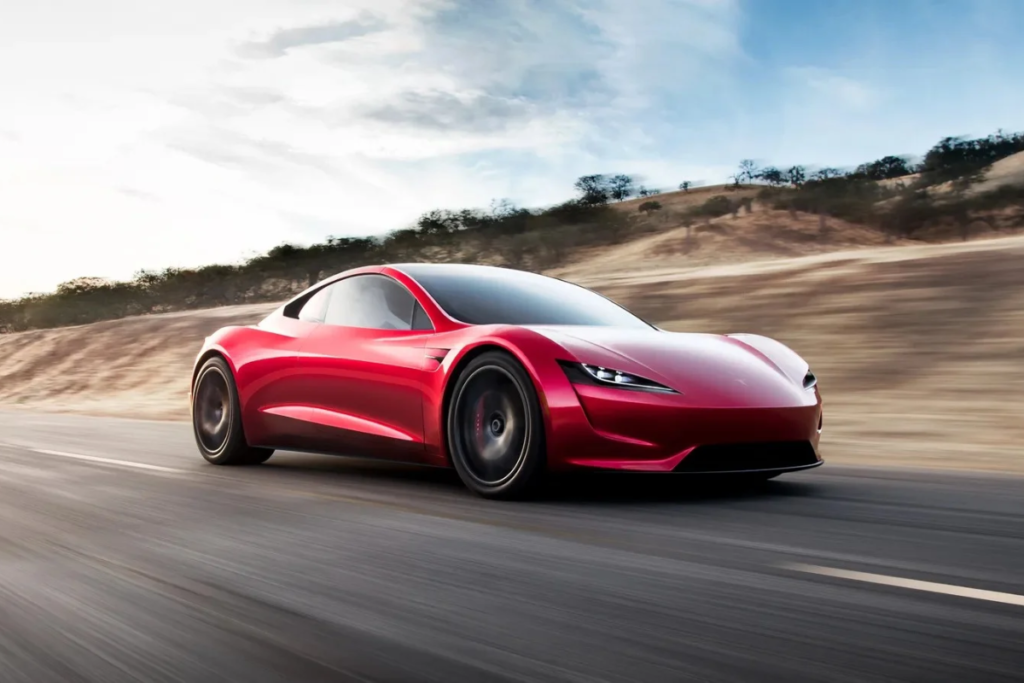
Tesla Roadster Cold-Gas Thrusters: After nine years of delays, Elon Musk unveiled the next-generation Roadster in Texas with a stunt that left the ground: a car that briefly lifts off using integrated thruster technology.
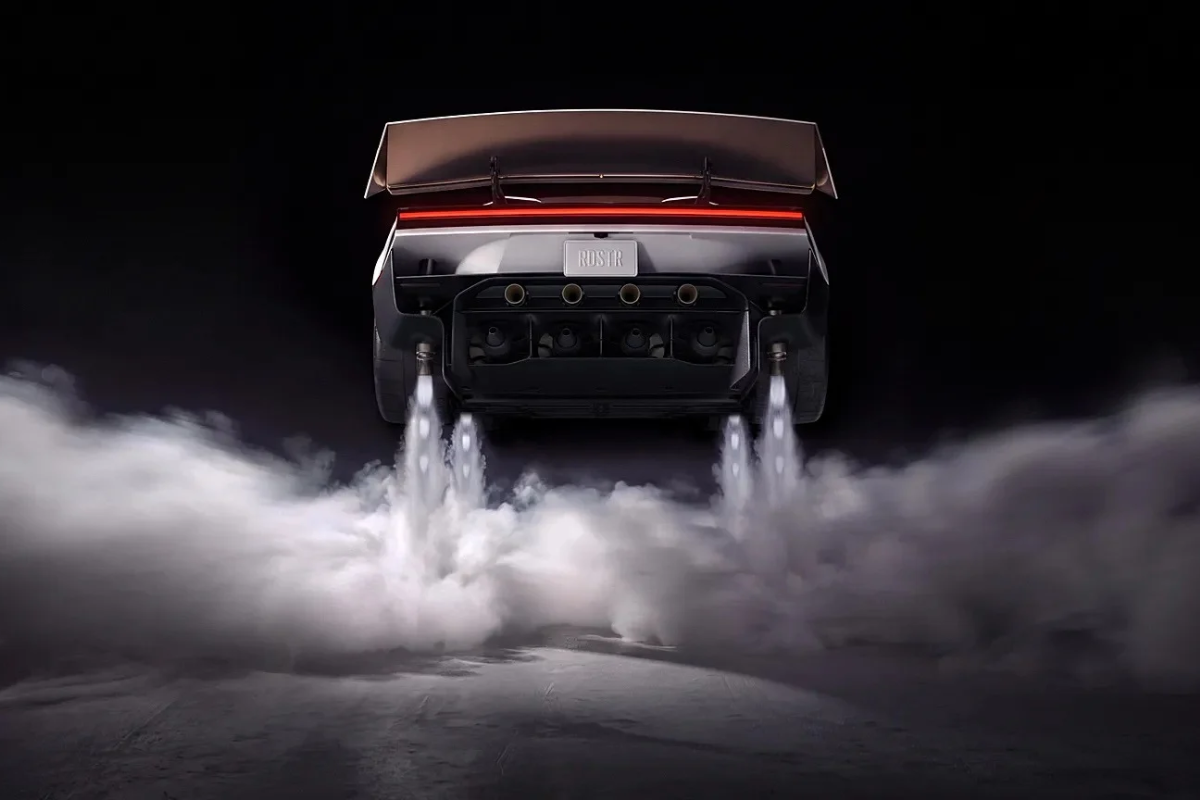
Tesla’s long-awaited Roadster finally broke cover this week in Texas with cold-gas thrusters that crossed from automotive into aerospace territory. The company demonstrated the vehicle achieving what it described as brief airtime using cold-gas thrusters integrated into the chassis, a feature that fundamentally redefines what a production sports car is supposed to do. The stunt marked the first tangible reveal of the next-generation model after nearly a decade of missed timelines and rebooted specifications.
The production roadmap lists an acceleration figure that borders on science fiction for a commercial vehicle: zero to sixty miles per hour in under one second. That performance claim positions the Roadster not just as the fastest accelerating production car ever built, but in territory that challenges whether conventional automotive terminology still applies. The cold-gas thruster system, which uses pressurized inert gas to generate directional control and lift, represents a technical direction that Elon Musk has publicly pursued across Tesla’s product strategy for years. The Texas demonstration wasn’t a render or a promise, it was footage of the car actually leaving the pavement, however briefly.
The decision to anchor the reveal around thruster capability rather than traditional acceleration benchmarks signals a deliberate pivot in how Tesla positions the Roadster. With cold-gas thrusters now integral to its identity and a sub-second 0-60 claim on the table, the Tesla Roadster has evolved from a long-delayed sports car into something that challenges the very definition of automotive performance.