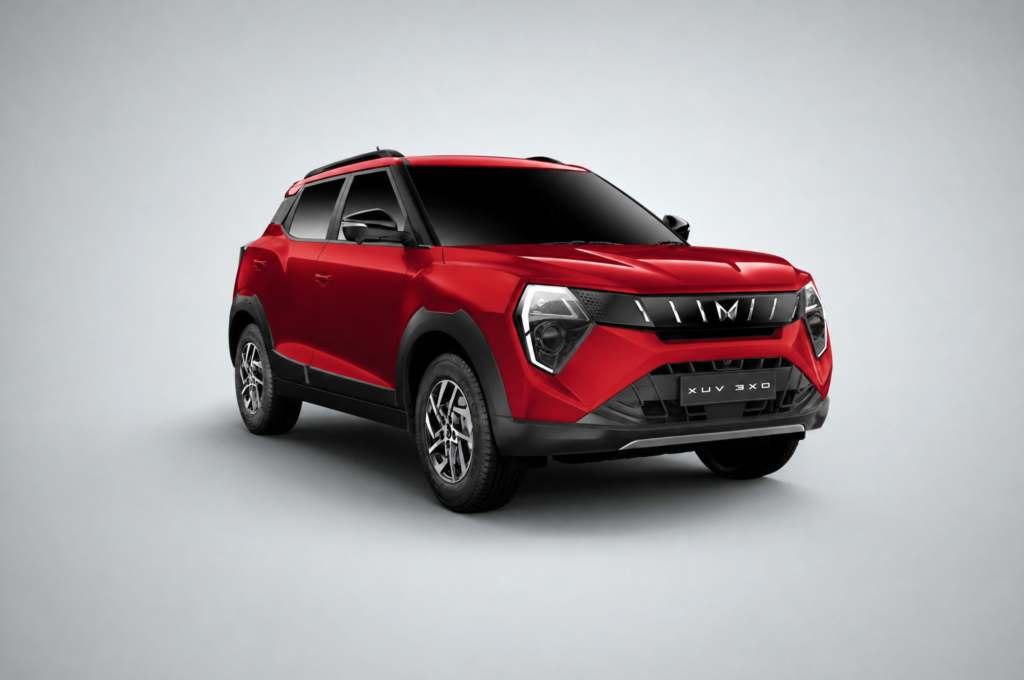
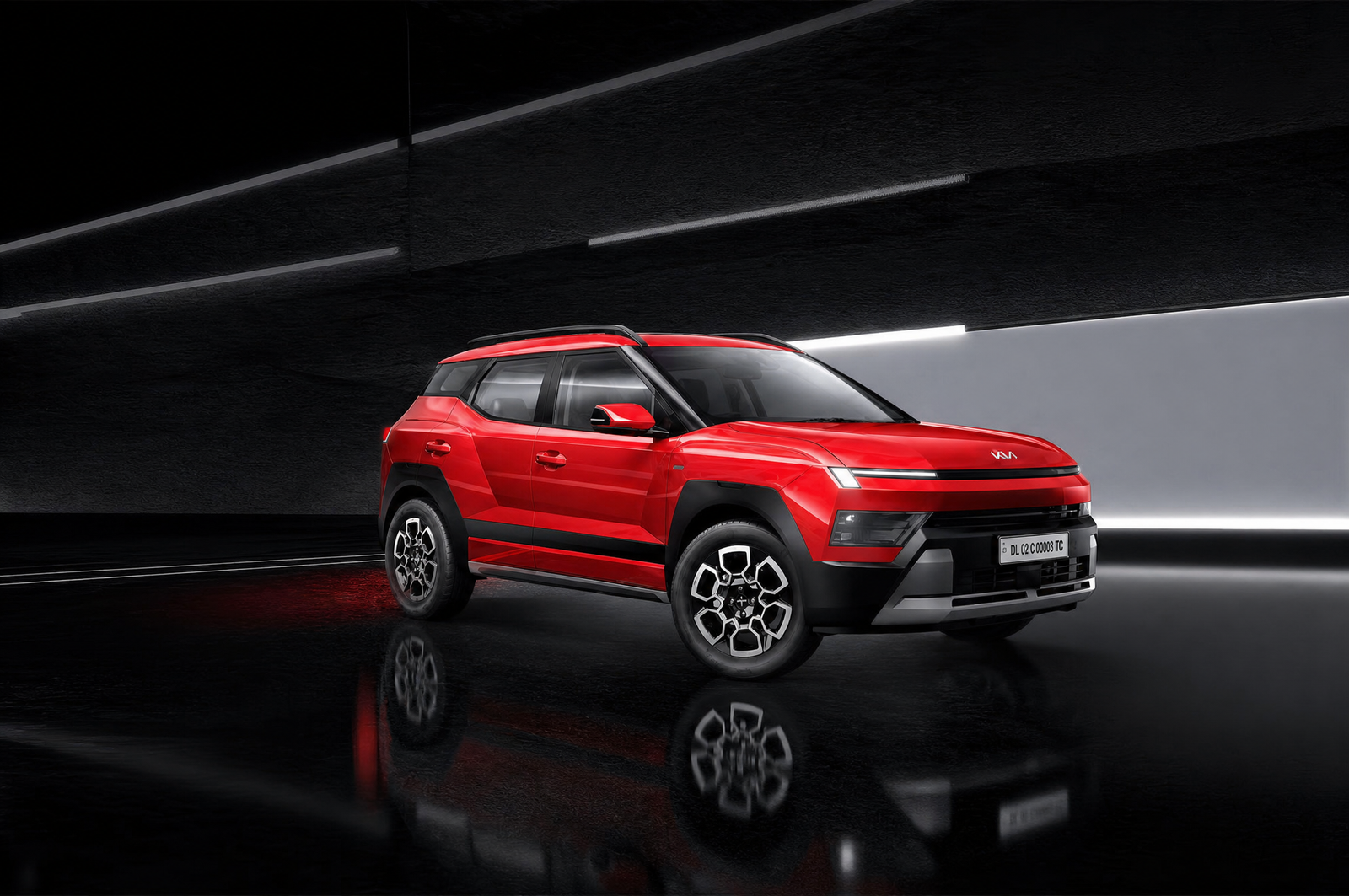
Hyundai Bayon: Hyundai’s new subcompact crossover touches down in India with connected dual displays and signature H-edge lighting in its sights.
Hyundai has pulled back the curtain on the Bayon, its latest subcompact crossover destined for the Indian market, and it’s arriving with the kind of tech stack usually reserved for larger, pricier segments. The vehicle features dual 12.3-inch displays, one serving as the digital instrument cluster and the other as the infotainment hub, both stacked across the dashboard in a configuration that mirrors cabin setups from Hyundai’s premium playbook. Connectivity is baked in, positioning the Bayon as a younger, digitally native alternative in a crowded field where buyers increasingly expect smartphone integration and OTA updates as baseline expectations.
The design language leans on Hyundai’s current house style, anchored by the brand’s signature H-edge lighting treatment that renders the front end with a sharpened, almost geometric aggression. The proportions sit firmly in subcompact territory, compact enough for city navigation, roomy enough for weekend getaways, while exterior elements like the angular character lines and available two-tone roof treatments signal ambition beyond the segment’s typical conservatism. The October 26 launch date positions the Bayon for a festive-season push, a strategic window when Indian consumer spending on automotive purchases typically peaks.
While full pricing and trim breakdowns haven’t been officially confirmed, the Hyundai Bayon’s positioning suggests the brand is targeting buyers stepping up from hatchbacks or those seeking their first crossover experience without the premium markups attached to larger SUV offerings. The dual-screen tech package and connected features represent genuine differentiation in a market where many competitors still rely on smaller, less integrated displays. This Hyundai Bayon play is a calculated move to capture the aspirational middle segment during peak festive-season spending.