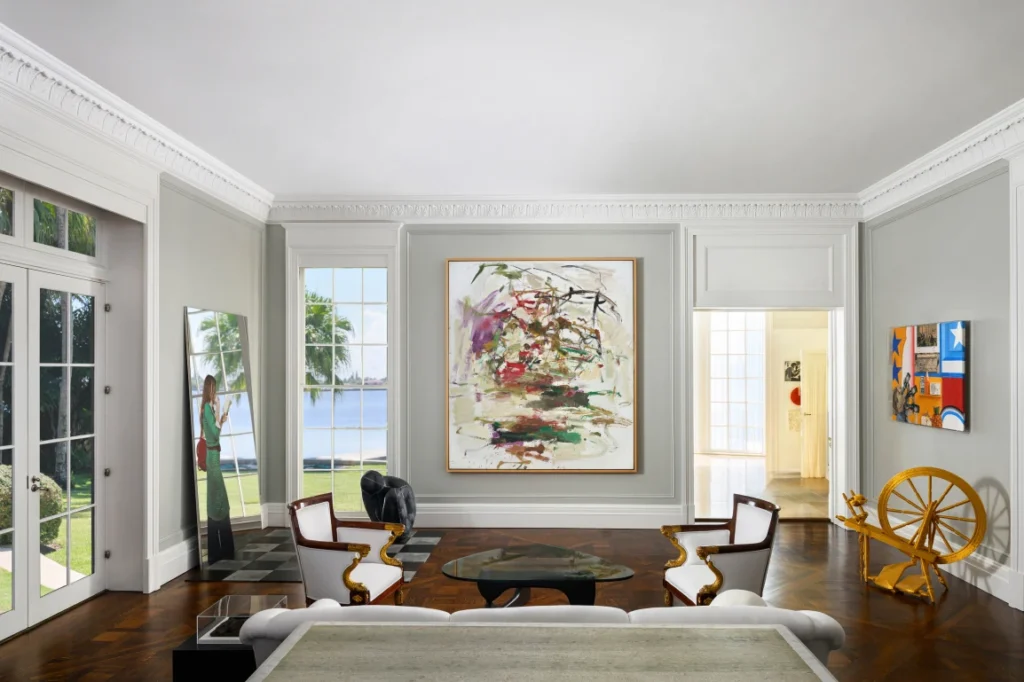
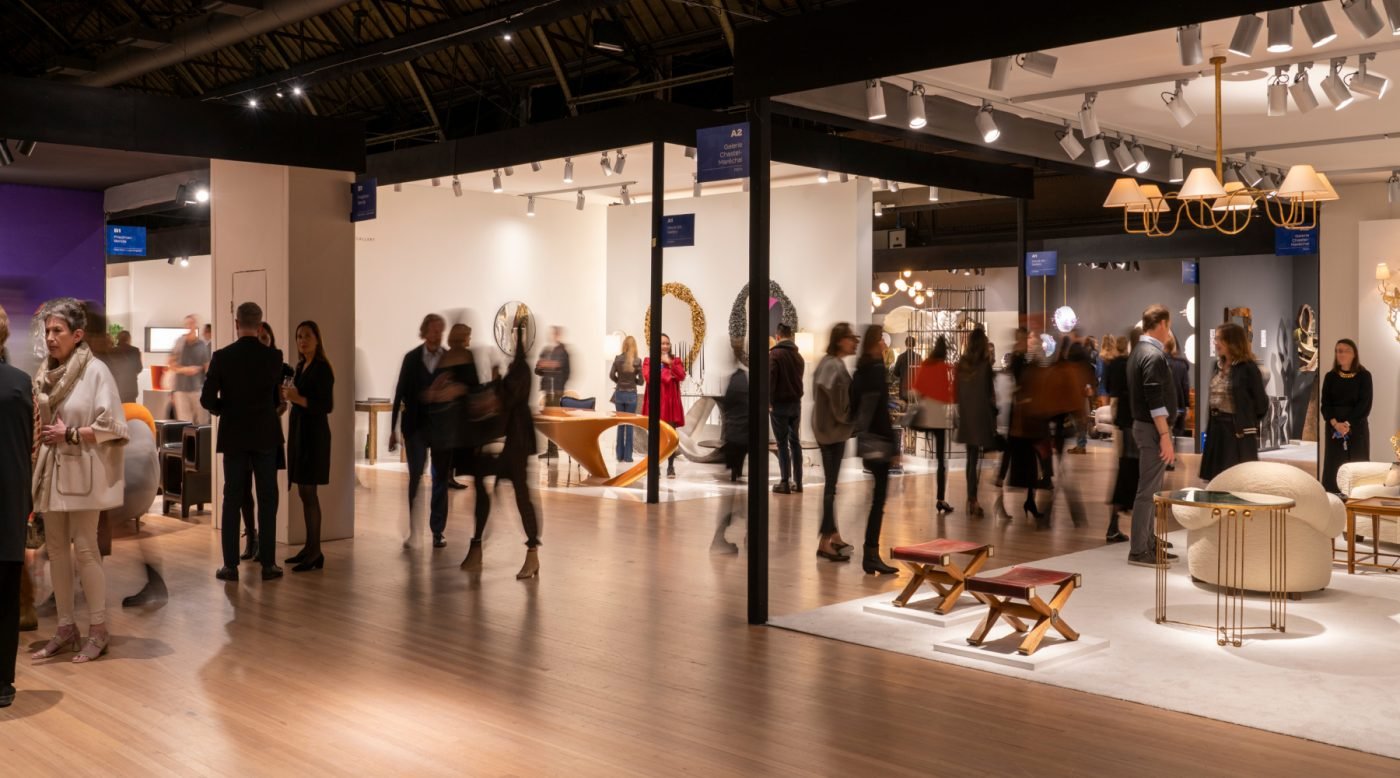
Salon Art + Design: New York’s most selective design fair is back with a roster of blue-chip galleries and a focus on collectible objects that bridge modernism and contemporary craft.
Salon Art + Design is pulling back into the Park Avenue Armory for a three-day run starting November 6, reasserting itself as the city’s most curated crossroads between high design and serious collecting. Unlike the sprawling, open-door model of its competitors, this fair operates on invitation only, which means the gallery roster reads like a who’s who of mid-market and top-tier dealers who’ve built their entire business on selling objects that move between homes, museums, and institutions with equal credibility.
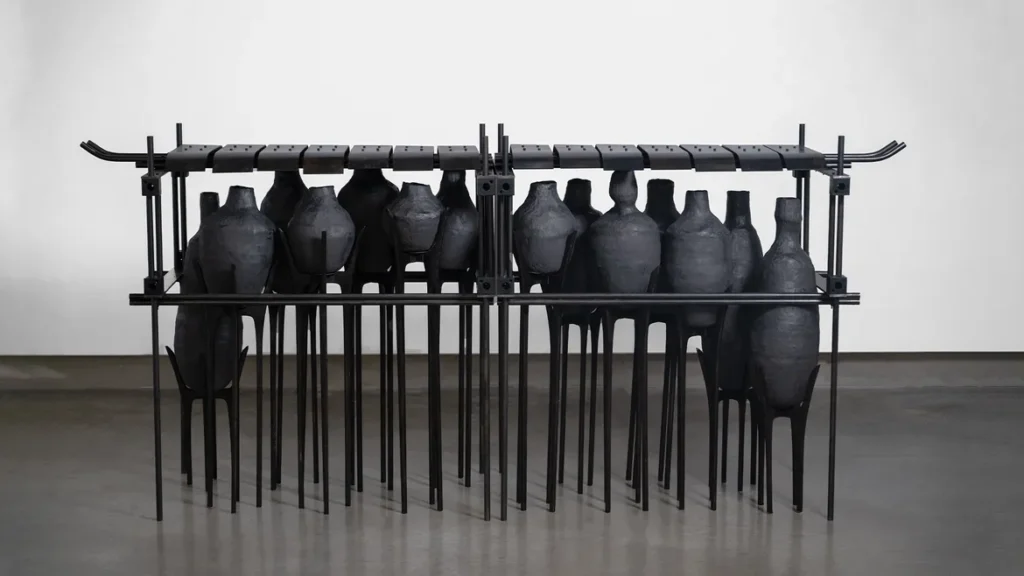
The fair’s positioning sits in an interesting middle ground. It’s not a contemporary art fair in the strict sense, though you’ll find major galleries there. It’s not pure design either, despite the name. Instead, it caters to a specific collector mindset: people hunting for significant 20th-century pieces that still feel current, limited-edition design from established makers, and the kind of investment-grade decorative arts that have quietly outpaced traditional stocks over the past decade. Think mid-century furniture, contemporary glass, textile art, and sculptural objects that work equally well in a penthouse or a museum storage facility.
The inclusion of designer Mathieu Lehanneur signals the fair’s commitment to the living end of the market. Lehanneur, a Paris-based designer known for bridging scientific thinking and high craft, represents the kind of practitioner galleries at Salon Art + Design champion: someone with institutional credibility, limited production runs, and pieces that command serious money. His presence underscores that the fair isn’t nostalgia-mining vintage culture, it’s actively building the collectible narrative for objects being made right now.
What gets overlooked in coverage of fairs like this is the actual economic engine: the secondary market for design is now genuinely competitive with contemporary art at auction, yet it remains far less speculative and bubble-prone. Collectors at Salon Art + Design are often the same people who’ve already figured out that a rare 1960s Isamu Noguchi table or a signed piece from a limited contemporary glass series holds value through recessions and market cycles. The fair’s three-day window creates artificial scarcity that dealers leverage hard, and that compression is partly why it remains worth attending for serious buyers who’ve already stopped going to other design events.