Sema 2026: The aftermarket’s biggest annual spectacle kicks off November 3 with everything from underground tuners to OEM prototypes under one roof.
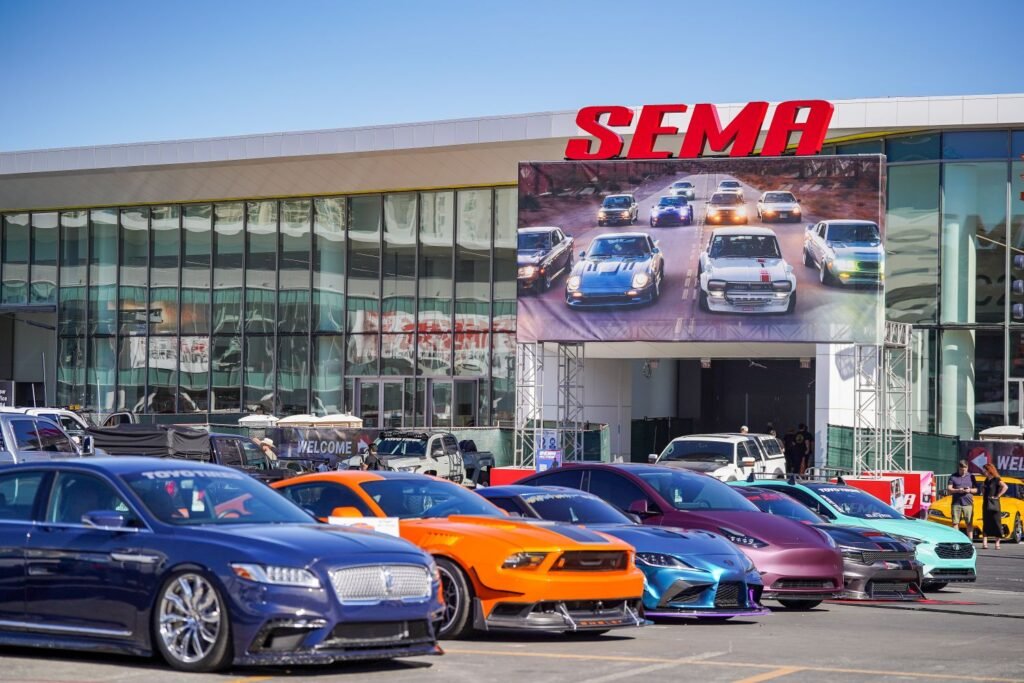
Las Vegas Convention Center is about to become ground zero for automotive chaos. When SEMA 2026 opens its doors on November 3, roughly 2,000 aftermarket brands, independent fabricators, and major manufacturers will descend on the desert to showcase everything from full-frame restorations and electric vehicle conversions to engine swaps that defy logic and carbon-fiber body kits that cost more than most people’s houses. This isn’t a car show in the traditional sense. It’s a five-day sprint through what’s possible when you combine money, obsession, and a complete disregard for factory specifications.
SEMA has always operated in that wild space where OEM engineers and backyard bolt-on companies exist side by side. You’ll find Toyota and Ford unveiling their latest factory concepts on the main floor while, three rows over, some twenty-something from Southern California is displaying a 1990s Honda Civic that’s been turbocharged, air-suspended, and wrapped in a finish that took eight months to perfect. The show floor isn’t curated for aesthetic harmony. It’s a marketplace where a major tire supplier with a massive booth competes for eyeballs with a solo operator hawking custom intake manifolds. That’s the actual appeal: the democratic chaos of it all.
The exotic builds and celebrity cars get the Instagram attention, but the real economy of SEMA 2026 runs on vendor-to-vendor deals, bulk purchasing agreements, and tech demos happening in private suite meetings. The spectacle is undeniably real, but it’s also infrastructure. SEMA represents a multi-billion-dollar industry where distributors, shop owners, and fabricators converge to network, place orders, and hunt for the next product that’ll differentiate their business in the competitive aftermarket space.