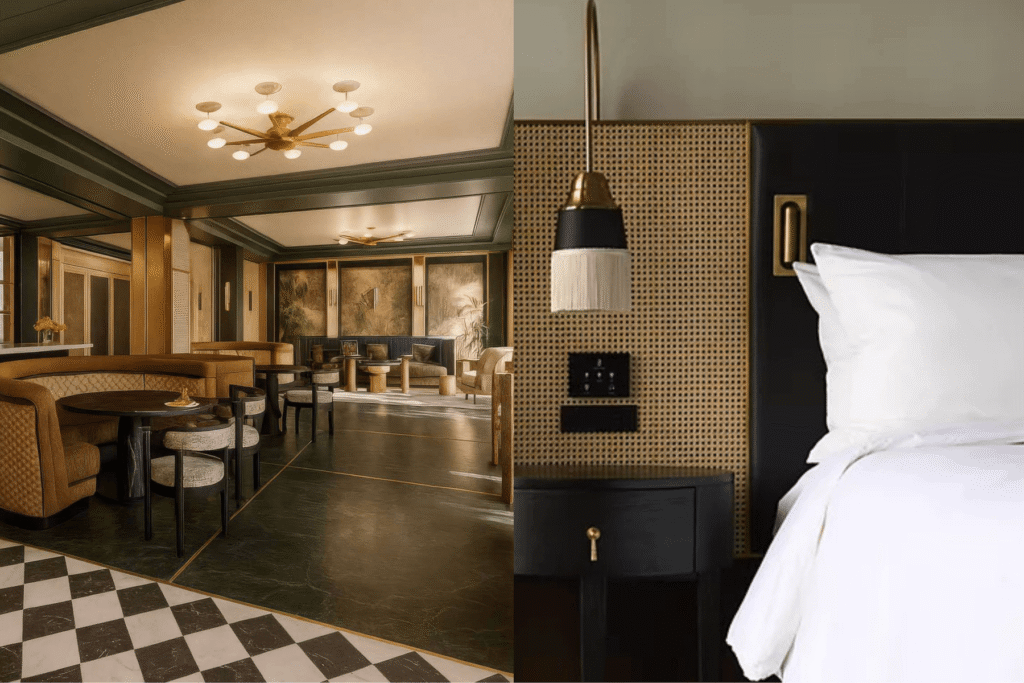
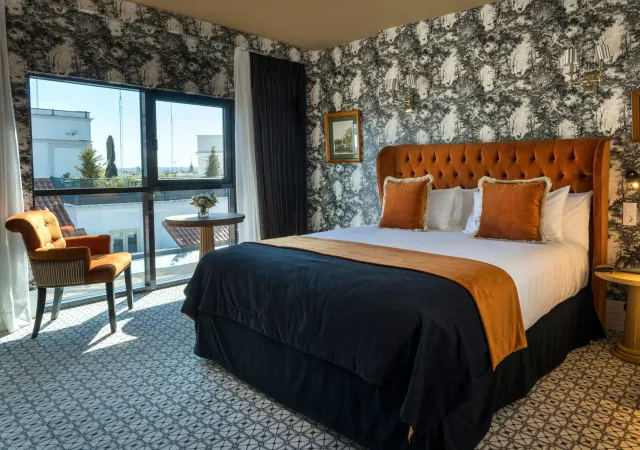
Casa Verbena Madrid: Hilton’s new Curio Collection property is a 45-key experiment in intimate luxury on one of Madrid’s most coveted car-free streets.
Hilton is finally making its move into Europe’s boutique hotel market, and it’s doing it on a tree-lined pedestrian street in central Madrid. Casa Verbena Madrid, arriving November 4, represents the debut of the hospitality giant’s Curio Collection on the continent, a deliberate signal that the brand sees real money in the anti-megahotel sentiment reshaping European travel right now. At 45 keys, this is a radically smaller footprint than what Hilton typically deploys in major cities, which means the entire value proposition hinges on granularity, local flavor, and the kind of design restraint that tends to alienate corporate chains but seduce actual travelers.
The Curio Collection itself has been Hilton’s answer to the boutique boom for about a decade, but Europe has largely remained a blind spot for the portfolio. That changes with Casa Verbena. The property sits on a pedestrianised street, which already signals a philosophy shift for a brand built on highway visibility and driver convenience. This is urbanism for people who walk, who linger in neighborhoods, who care about the street-level texture of where they stay. Madrid’s design and hospitality scene has been on a cultural upswing for years, and Hilton is arriving at the right moment to capture travelers tired of formulaic luxury chains but still wanting the reliability a global brand provides.
The real detail everyone will overlook: Hilton is betting that Europe’s most discerning travelers will trade volume for authenticity at a meaningful price premium. A 45-room boutique property in a prime Madrid location costs more per key to develop and operate than a 300-room tower, which means Casa Verbena Madrid has to justify itself through positioning, aesthetic authority, and the kind of hospitality friction that usually doesn’t survive at scale.