Powerhouse Parramatta: Western Sydney’s new cultural landmark launches with a sprawling program of First Nations art, design, and cross-disciplinary work that redefines where Australia’s creative conversation happens.
Powerhouse Parramatta has arrived. The institution, positioned as a major cultural anchor for Western Sydney, is opening its doors with an ambitious debut that extends far beyond a single exhibition. According to Architecture AU, the venue’s inaugural program spans an Opening Festival featuring 179 events across three weeks and four weekends in November, covering ground that ranges from First Nations culture to design, architecture, music, food, and film.
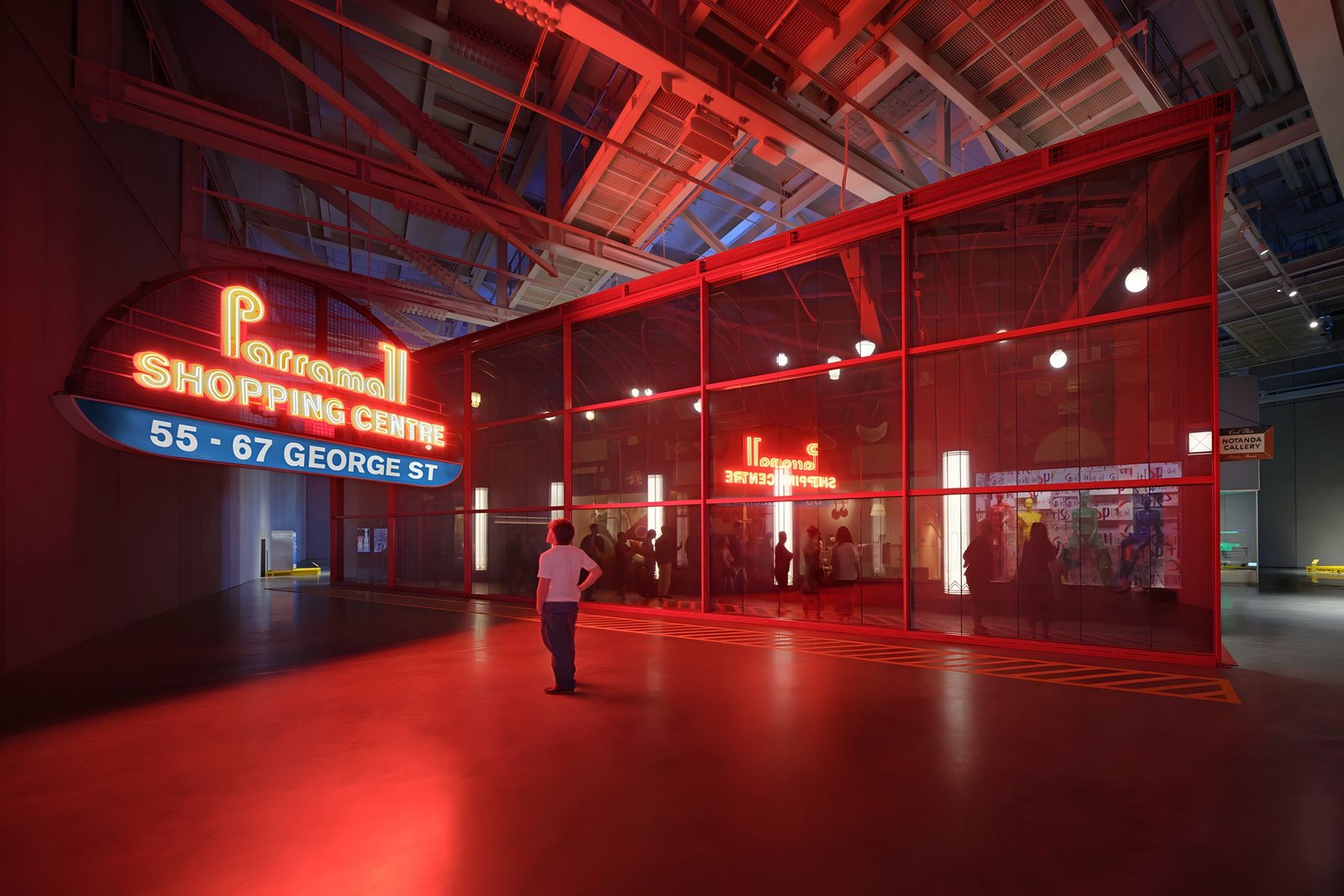
This isn’t a typical museum opening with one marquee show. Instead, Powerhouse Parramatta is launching with five distinct exhibitions that signal the institution’s intent to operate as a genuinely plural cultural space. The scale of the program reflects a strategy to establish the venue as essential viewing for audiences across Sydney’s west, staking out territory that hasn’t traditionally hosted flagship cultural institutions at this level of ambition.
Powerhouse Parramatta’s Five Inaugural Exhibitions
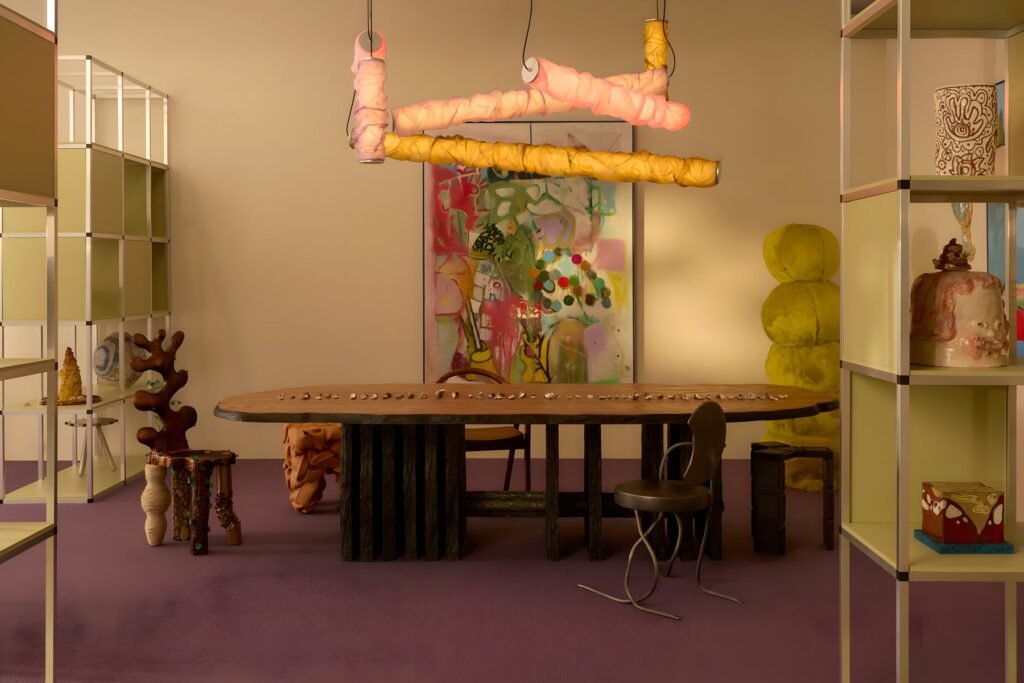
The five exhibitions span thematic territories that touch on space, science, technology, and transport alongside dedicated design programming. Architecture AU notes that one exhibition centers on a “loose-fit” approach, organized around the idea of making do, slowing down, and taking care through shared authorship, participation, and flexible design processes. This curatorial philosophy suggests the venue isn’t interested in the sterile, hands-off museum model, instead positioning visitors as participants in the cultural work on view.
The Opening Festival’s breadth indicates a deliberate effort to cast a wide net. With 179 events scheduled across the launch period, the programming includes sectors often relegated to separate institutional silos. First Nations culture sits alongside transport history. Music and food programming share calendar space with design and architecture. This aggregation strategy suggests Powerhouse Parramatta sees culture not as a hierarchy of disciplines but as an interconnected ecosystem where a conversation about materials in design can sit productively next to an exploration of indigenous practice.
Positioning West of the CBD
The location in Parramatta positions this institution geographically and culturally away from the established cultural corridor of Sydney’s CBD and inner west. For decades, major exhibition venues have clustered around the central business district, making Western Sydney a cultural periphery despite its population density and creative communities. Powerhouse Parramatta signals a shift in that geography. It’s not a satellite or a secondary venue; the scale of the opening festival and the scope of its five concurrent exhibitions frame it as a primary destination.
This positioning carries real implications for how design culture in Sydney operates. Emerging designers, established practitioners, and cross-disciplinary collaborators now have a major institutional platform outside the established circuit. Visionaries, one of the inaugural programs, is described by Architecture AU as bringing a fresh approach to cross-industry collaboration, united by shared commitment to creativity, innovation, and connection. That framing suggests the venue is deliberately courting practitioners who work across traditional category boundaries.
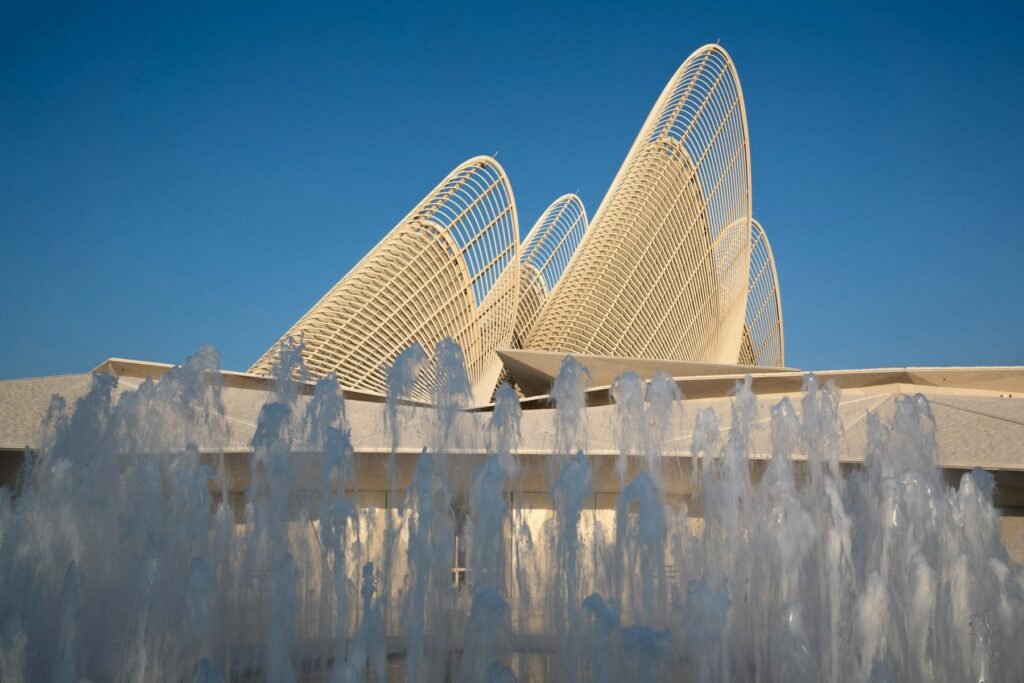
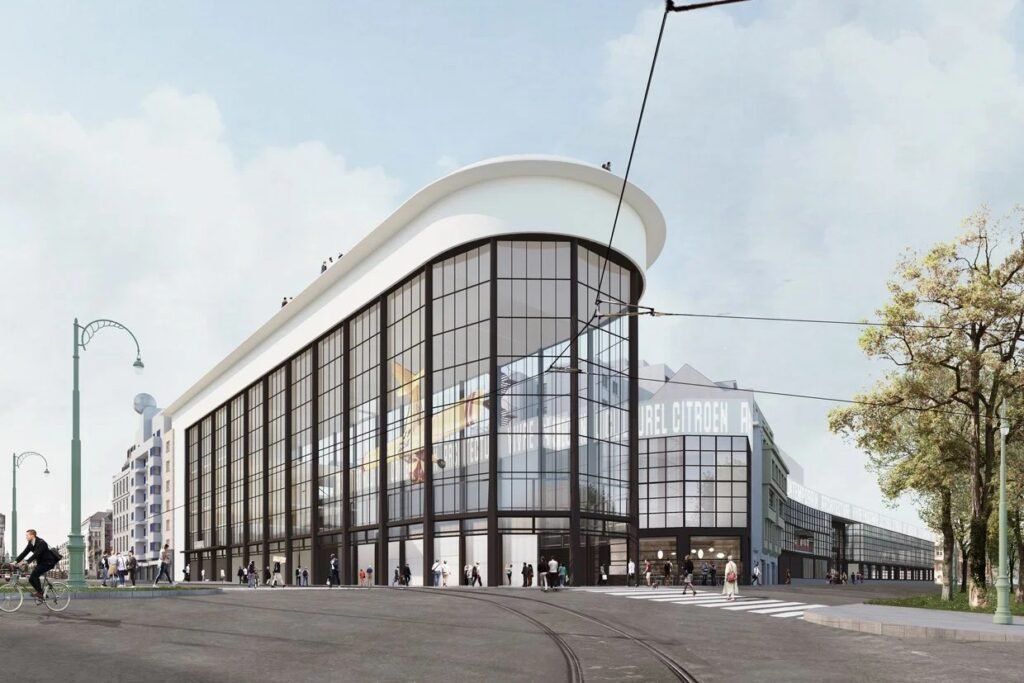
The museum’s architectural identity, designed by Moreau Kusunoki, becomes part of its cultural statement. While the sources don’t detail the building’s specific design language, the choice of an architectural practice known for distinctive spatial thinking suggests the physical environment itself is intended as a curatorial gesture. The building becomes inseparable from the exhibitions within it.
The November Launch Window
The timing of the launch, with its three-week, four-weekend festival structure, creates a compressed moment of cultural intensity. Rather than a soft opening followed by gradual programming build, Powerhouse Parramatta is arriving at full volume. This strategy mirrors contemporary museum practice in major cities, where opening festivals generate immediate media attention and establish institutional identity through concentrated programming rather than incremental visibility.
The breadth of the November festival also serves a practical function for Western Sydney audiences who may be unfamiliar with the venue. By offering 179 events across multiple disciplinary areas, the opening creates multiple entry points. Someone interested in First Nations culture has programming alongside someone drawn to design discourse. Film audiences, food enthusiasts, and technology-focused visitors can all find their angle. This democratized approach to opening programming mirrors how audiences actually engage with culture, rather than assuming a monolithic visitor profile.
Powerhouse Parramatta’s debut positions Western Sydney not as catching up to established cultural centers, but as reframing what a contemporary cultural institution can be. Five concurrent exhibitions, 179 events, First Nations programming given equal weight to design and technology, and a geographic location that challenges Sydney’s historical CBD-centric cultural geography. The venue arrives not apologizing for being outside the traditional circuit, but instead suggesting that the traditional circuit was always too narrow.