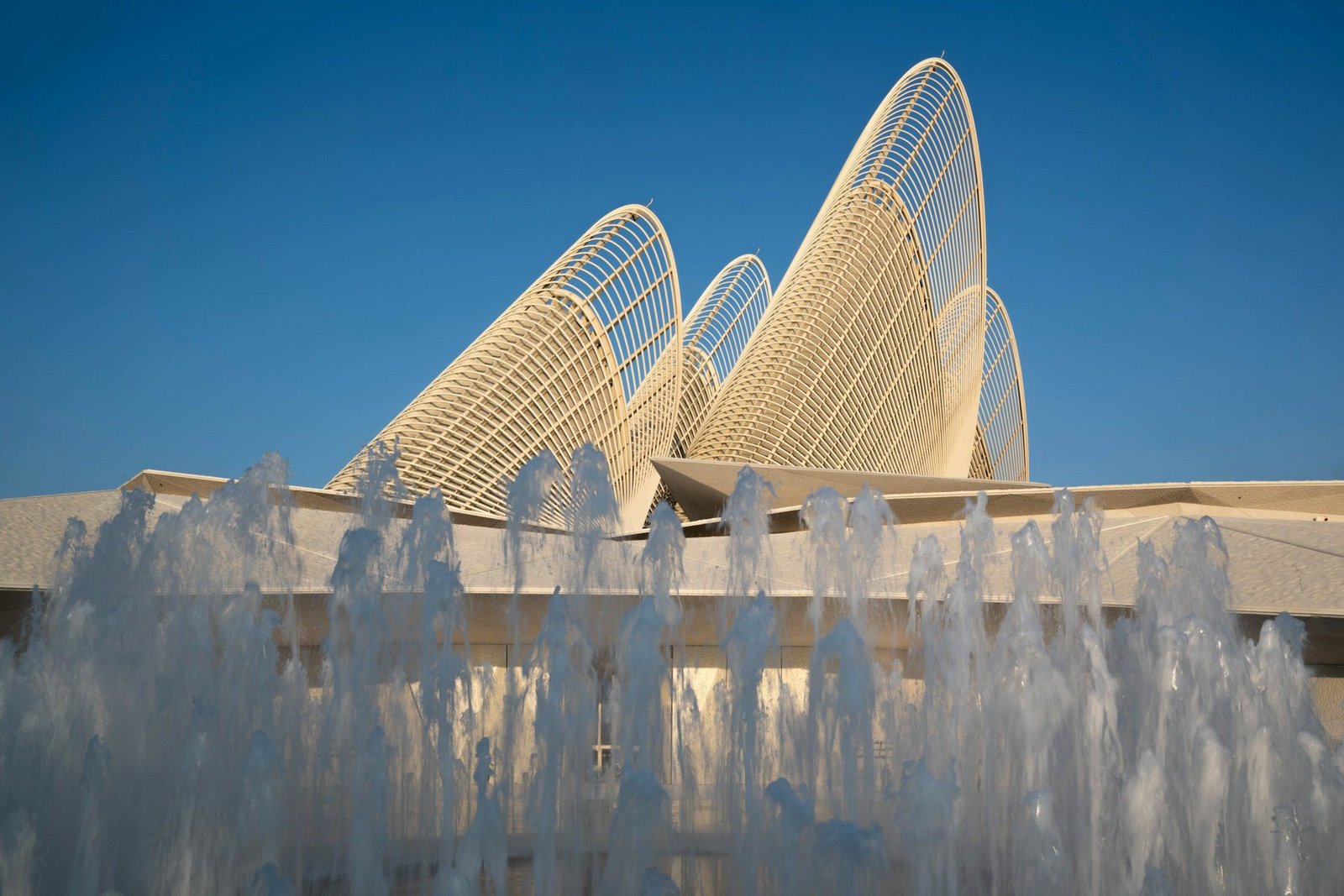
More than 80 galleries from 64 cities converge on Saadiyat Cultural District for the inaugural Frieze Abu Dhabi, replacing a 17-year-old fair and signaling a seismic shift in global art world geography.
Frieze Abu Dhabi, the art world’s most aggressive global operator’s latest venture, has finally planted its flag in the Gulf. The inaugural Frieze Abu Dhabi opens in November 2026 at Saadiyat Cultural District, bringing more than 80 galleries from 64 cities to a region that has spent the past two decades building the institutional muscle to actually matter on the international art calendar. This is not a satellite fair. This is a declaration that Abu Dhabi has graduated from aspirational to essential.
The timing is deliberate. Frieze Abu Dhabi succeeds Abu Dhabi Art, which ran for 17 years before stepping aside. That’s not a passing of the torch, it’s a full recalibration. The Emirati capital has accumulated enough critical infrastructure, collector sophistication, and curatorial credibility that the global art circuit can no longer treat it as a secondary market. The region’s museum ecosystem and commercial gallery backbone have reached what observers are calling critical mass, the kind of density that actually alters how the art world moves money and attention across continents.
Frieze Abu Dhabi’s November Convergence Reshaping the Fair Calendar
November 2026 is becoming the month when the art world’s center of gravity shifts. Frieze Abu Dhabi anchors what has become a genuinely global cultural month: Art Week Tokyo draws 55 galleries and museums through a free bus network that turns the entire city into a fairground. Paris Photo, now in its 59th edition, gathers more than 220 exhibitors around 300 photographs of the Louvre itself, a show within the show. Art Mumbai expands South Asian visibility beyond the Western market’s usual frame. New York’s auction houses open their galleries for public previews of modern, postwar, and contemporary work before the evening sales. The Armory fair brings 63 member galleries with focused presentations rather than sprawling booths, one of the city’s more civilized fair experiences. Venice gets a last chance before the season shifts. And then there’s Abu Dhabi.
When Infrastructure Becomes Cultural Authority
What makes Frieze Abu Dhabi’s opening genuinely significant is not the number of galleries or the press release momentum, but what it reveals about how the art market actually works. The fair doesn’t arrive because Abu Dhabi suddenly developed taste. It arrives because the region built permanent institutional architecture first: museum collections, curatorial programs, collector networks, and logistical systems sophisticated enough that galleries from 64 different cities believe they can sell there. That’s the reverse of how most emerging markets work. Most regions aspire to global relevance and hope infrastructure follows. Abu Dhabi built the infrastructure and waited for relevance to catch up.
The Louvre Abu Dhabi, the museums of Saadiyat Island, the gallery ecosystem that has grown around them over the past decade, and a collecting class with actual capital and taste form the bedrock. Add the fair traffic of more than 80 galleries arriving simultaneously, and you have a moment where supply meets demand at a critical enough mass to reshape trading patterns. Collectors who might have waited for Basel Miami or Venice now have a reason to book Abu Dhabi in November. Galleries that never considered the Gulf as anything more than a client base now have a legitimate reason to exhibit there.
The Bigger Geography Shift
This is also about where money is moving. The Gulf, India, and East Asia are not new collectors, but their prominence as market drivers has outpaced the traditional art fair circuit’s geographic distribution. Frieze, by moving into Abu Dhabi with this scale and seriousness, is responding to a reality that has already happened: the global art market’s center of gravity has shifted, and the fair infrastructure needed to follow. Art Week Tokyo, Paris Photo, Art Mumbai, and now Frieze Abu Dhabi in one month is the fair calendar finally catching up to where collectors actually are and where they actually trade.
The inaugural edition arrives with all the pressure and possibility that phrase carries. First editions either establish a template or become a footnote. Given the gallery count, the city’s infrastructure, and the momentum of the region’s collecting culture, this one looks built to last. Abu Dhabi is not borrowing the Frieze brand. It’s hosting the moment when the brand finally admits where the art world actually is.