Photography History: The institution’s boldest photography exhibition in years challenges Western-centric narratives by tracing the medium’s origins across continents, opening October 14.
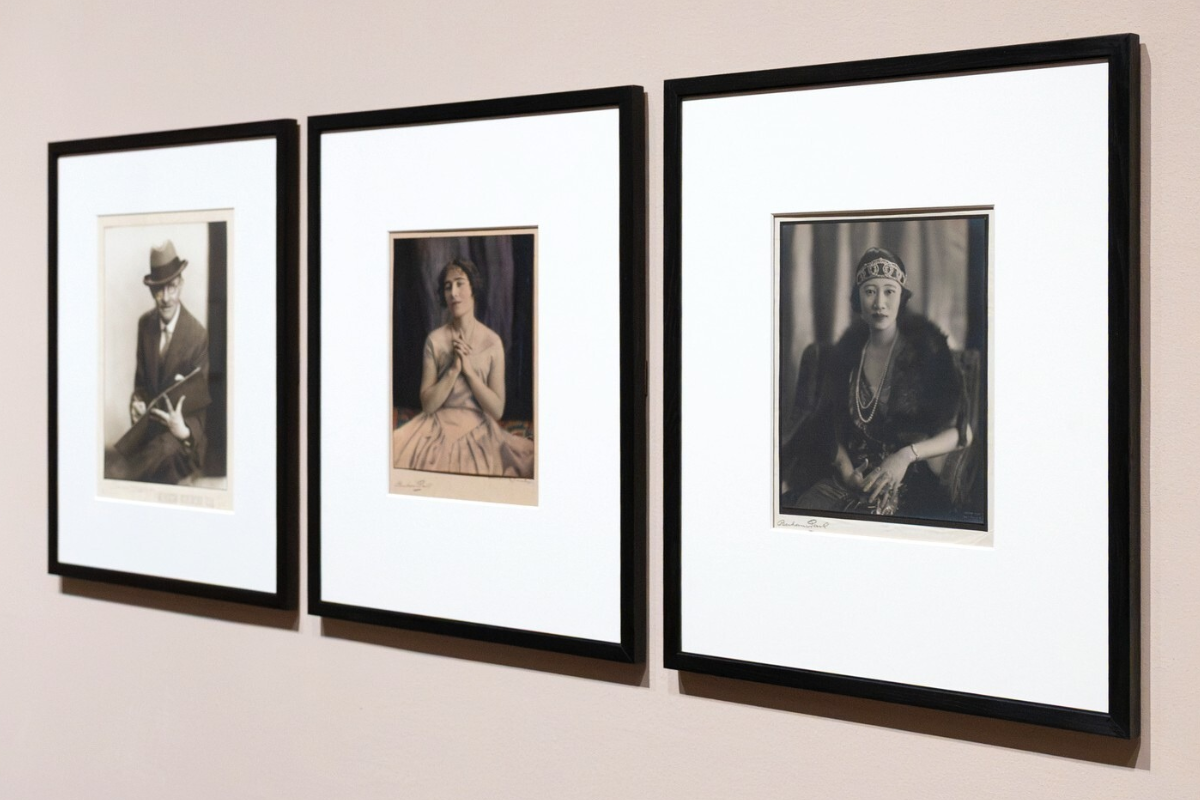
Tate Modern is mounting a reckoning with photography history and how the world has understood photography’s beginnings. “Light and Magic: The Birth of Art Photography,” opening October 14, assembles work from across the globe to dismantle the familiar origin myth: that photography emerged as an artistic medium in 19th-century Europe and then radiated outward. Instead, the exhibition positions simultaneous experimentations in Asia, Africa, the Middle East, and the Americas as equally foundational to how the medium developed as a creative tool rather than merely a technical process.
The curatorial approach marks a significant shift in how major institutions present photography’s history. Rather than organizing chronologically around European innovations like Daguerre’s process or the Pictorialist movement, the show weaves together parallel developments, emphasizing how photographers working independently across different cultures discovered similar aesthetic possibilities at overlapping moments. This methodology reveals photographers whose contributions have been systematically erased from canonical accounts, restoring their work not as regional variants but as authentic architects of art photography itself. The international scope means viewers will encounter lesser-known figures alongside canonical names, creating friction with familiar narratives.
For institutions like Tate, this represents the latest in a broader institutional recalibration around photography scholarship. Museums have increasingly commissioned research that unearths overlooked photographers and challenges the authority of Eurocentric exhibition histories. What makes this show distinct is its scale and institutional weight: a major retrospective at one of the world’s most influential contemporary art institutions, finally centering photography history as a truly international achievement rather than a European export.