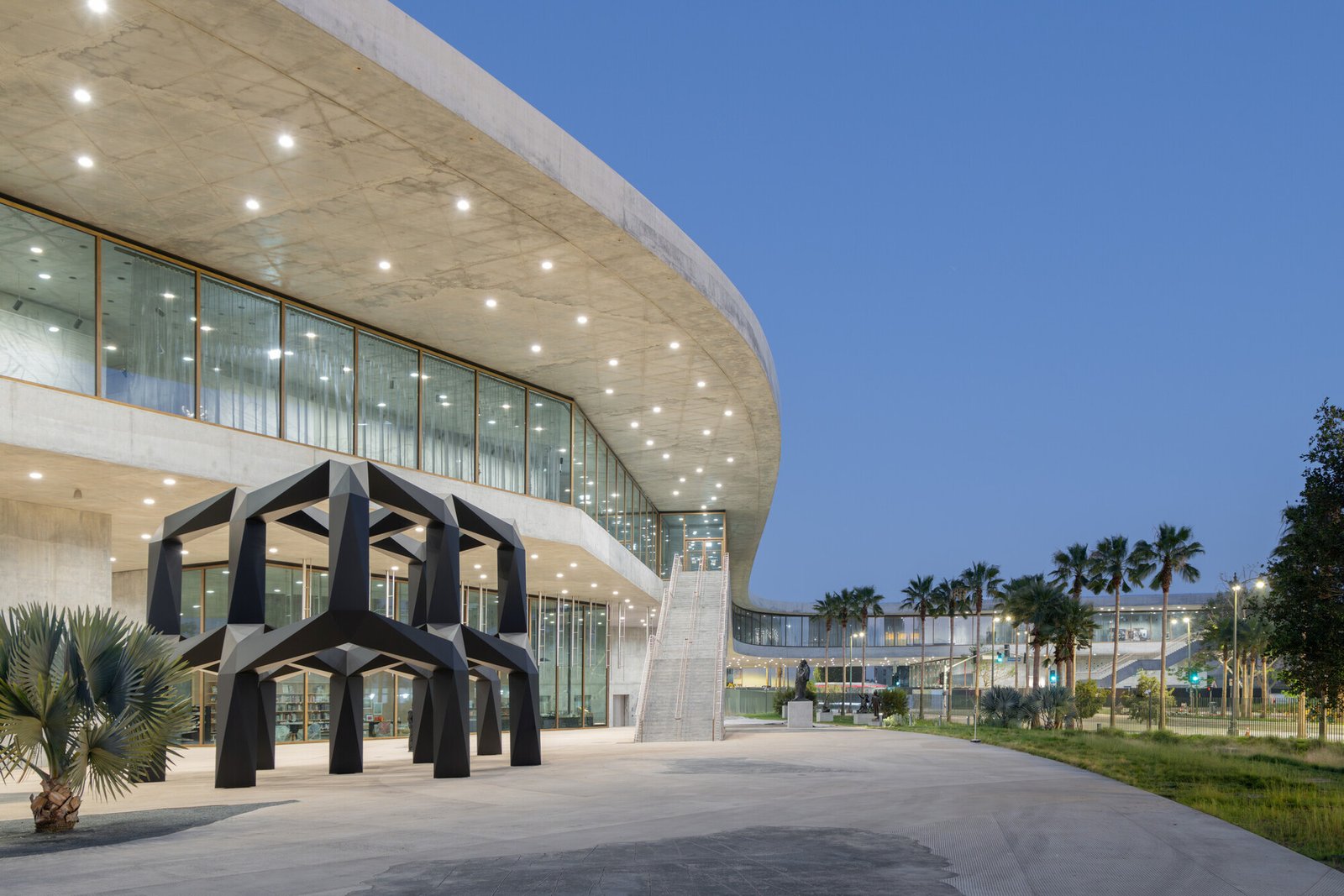
Peter Zumthor Lacma: The Swiss Pritzker Prize winner’s austere 900-foot concrete span across Wilshire Boulevard is finally arriving in Los Angeles.
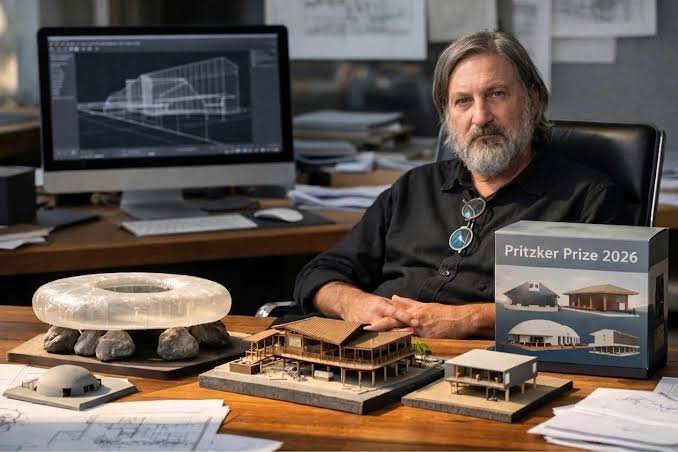
Peter Zumthor doesn’t do speed. The Swiss architect behind the David Geffen Galleries at LACMA, whose work moves at the pace of geological time, has spent a quarter century realizing his vision for this transformative structure that will fundamentally alter how Los Angeles experiences art and, more importantly, how the city reads itself from the street. After decades of planning, financing, and refinement, the building is arriving in 2026, and it’s impossible to overstate what that means for a city that has long deferred to New York and Europe for architectural statements of genuine weight.
Zumthor’s design is characteristically uncompromising: a 900-foot ribbon of raw concrete that spans Wilshire Boulevard like a landed spacecraft, connecting LACMA’s existing campus while somehow managing to feel neither heavy nor domineering despite its mass. This is not a building designed to charm or entertain. It arrives as a meditation on space, material, and the act of looking itself. The concrete surfaces, left exposed in the Zumthor manner, will weather and age, their surface transforming with Los Angeles light and time. It’s the opposite of the Instagram-ready architectural pyrotechnics that have colonized contemporary museum design, which makes it exactly what LA needs right now: a structure that refuses to perform, that asks visitors to slow down and actually see.
What makes this timeline landmark is not just the architectural merit, though that alone would justify the wait. It’s that Zumthor’s galleries arrive at a peculiar moment for Los Angeles institutions. LACMA itself has been navigating thorny questions about relevance and accessibility while the broader LA art world has fractured into micro-scenes and digital spaces. A building this serious, this deliberately austere, planted directly on one of LA’s busiest boulevards, signals that the museum is betting on the gravity of the physical encounter. It’s a counterargument to everything ephemeral and scrollable, made in concrete that will stand for generations.