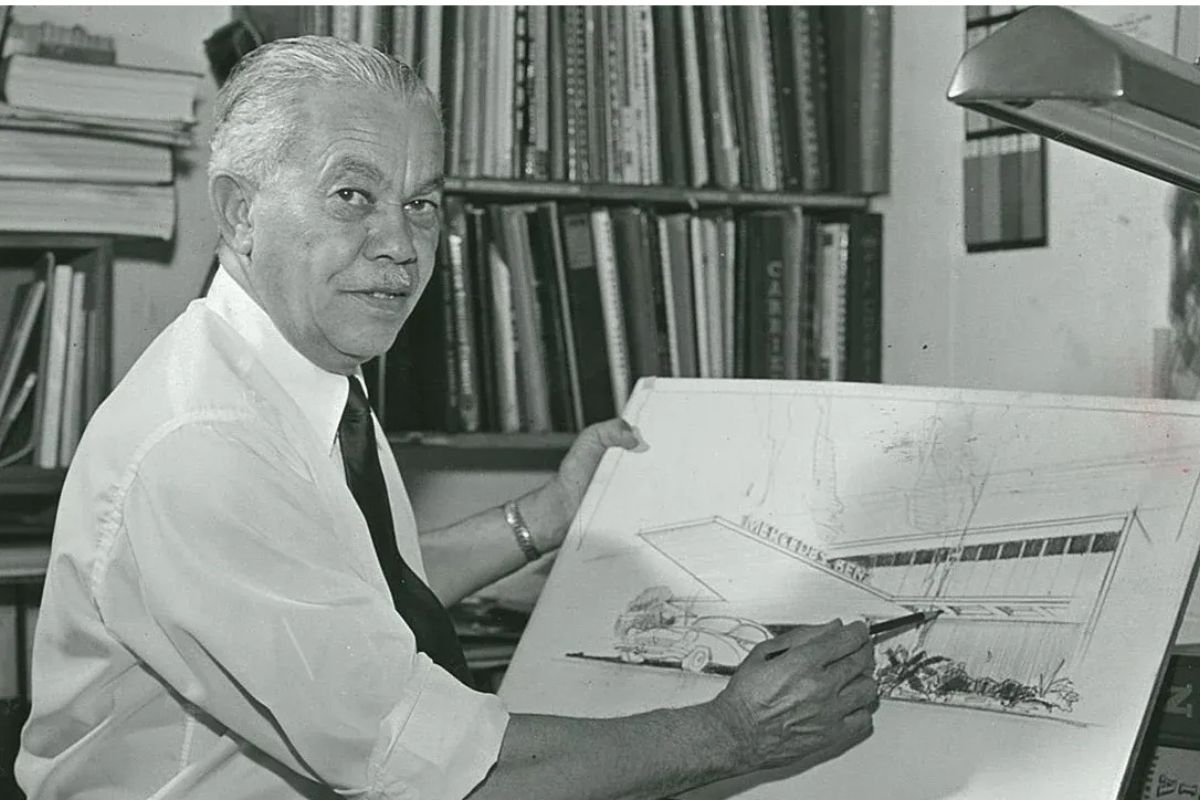
A major museum exhibition opening this August positions the pioneering Black architect behind some of cinema’s most iconic buildings as a force equal to his white contemporaries.
Paul R. Williams, the architect who shaped Hollywood’s physical identity during its golden age, is getting a retrospective that’s long overdue. The exhibition opens August 29 at a Memphis museum, marking a significant moment in how American architectural history acknowledges its own omissions.
Williams designed some of the era’s most recognizable structures, from luxury homes to commercial buildings that defined the aesthetic of mid-century Los Angeles. Yet his contributions have been systematically sidelined in mainstream architectural discourse, overshadowed by peers whose names became synonymous with modernism and style. He worked through an era when institutional racism barred him from certain professional circles, yet his output and influence rivaled any contemporary architect working in California.
The Memphis showing arrives at a moment when cultural institutions are actively reassessing which figures deserve prominence in their narratives. Williams’ work speaks for itself: meticulous design, technical precision, and a visual language that shaped how an entire generation understood luxury and modernity. His homes, theaters, and institutional buildings demonstrate an architect operating at the highest level of the profession, regardless of the barriers he faced.
The exhibition runs through the fall, offering audiences a chance to encounter Williams’ career on its own terms, without the qualifier of historical marginalization. His legacy was never in question among those who studied his work closely. This show simply makes the conversation public.