Patek Philippe Exhibition Milan: The Swiss watchmaker brings 500 timepieces and free entry to a sprawling Milan venue, marking its most ambitious public show to date.
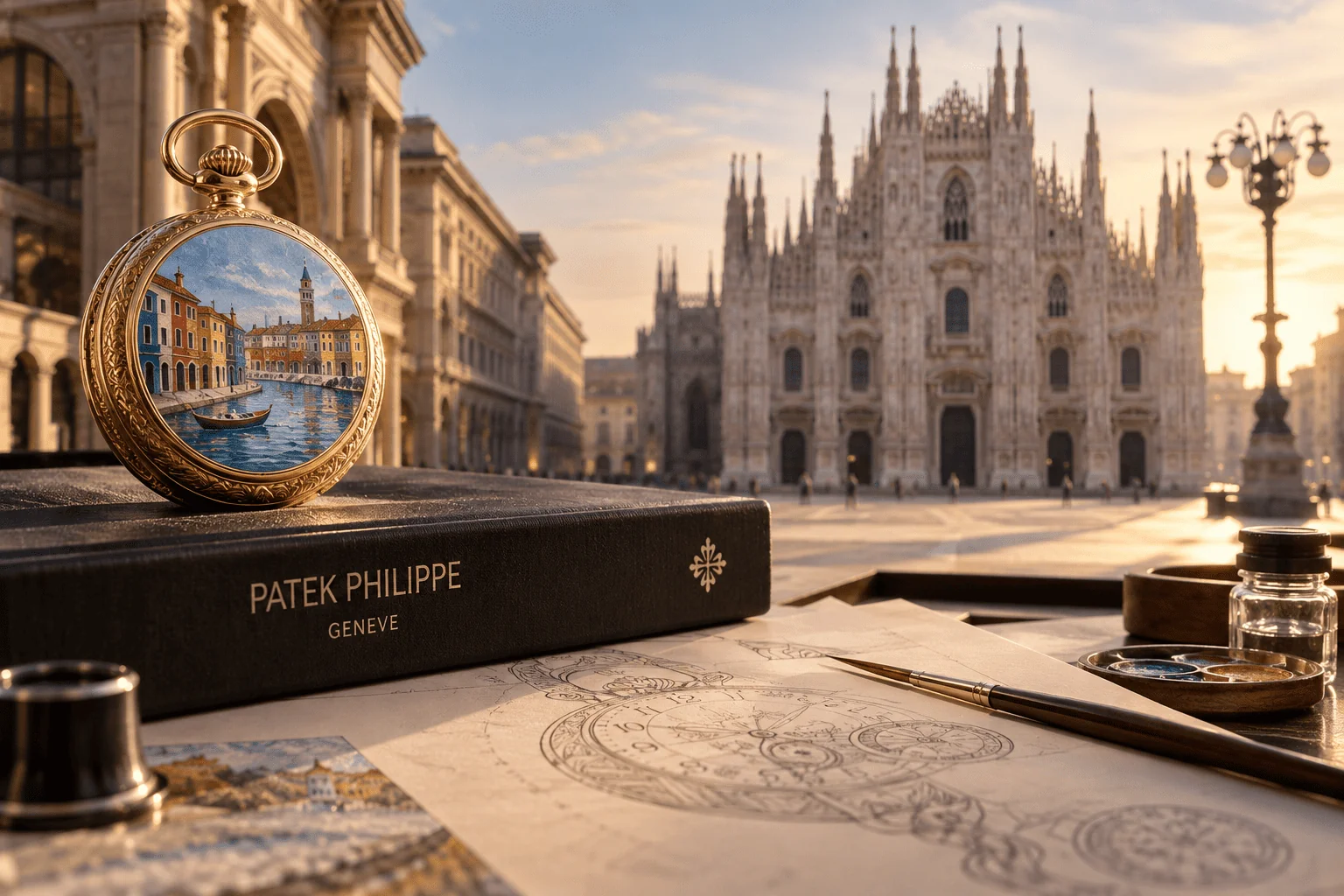
Patek Philippe is opening the doors to its biggest exhibition in company history on October 2 in Milan, transforming the CityOval venue into a massive horological archive. The seventh edition of the brand’s “Watch Art” Grand Exhibition will showcase 500 timepieces spanning centuries of craft, design, and innovation, with no admission fee required. For a brand that typically operates through invitation-only events and closely guarded boutiques, the decision to go fully public at this scale represents a significant shift in how one of horology’s most exclusive manufacturers chooses to engage with both collectors and curiosity seekers.
The Milan iteration builds on the foundation established by previous “Watch Art” exhibitions, which have become increasingly elaborate productions designed to tell the Patek Philippe story across multiple galleries and immersive installations. This version expands that template substantially. The scale of the collection on display positions it as less of a marketing exercise and more as a genuine museum-quality retrospective, the kind of comprehensive overview typically reserved for institutional settings. Free admission changes the calculus entirely, it removes the gatekeeping that normally surrounds luxury watch culture and invites the general public to walk alongside serious collectors in the same room.
What often gets overlooked in these announcements is the curatorial challenge behind assembling and securing 500 pieces from a single manufacture. Patek Philippe produces roughly 30,000 to 35,000 watches per year, meaning many of these timepieces on display represent vintage or discontinued models pulled from museum collections, private collections, or deep archives. The logistical and insurance requirements alone are staggering. The Patek Philippe exhibition in Milan represents not just a business milestone but a philosophical statement about how legacy brands can democratize access while maintaining their mystique.