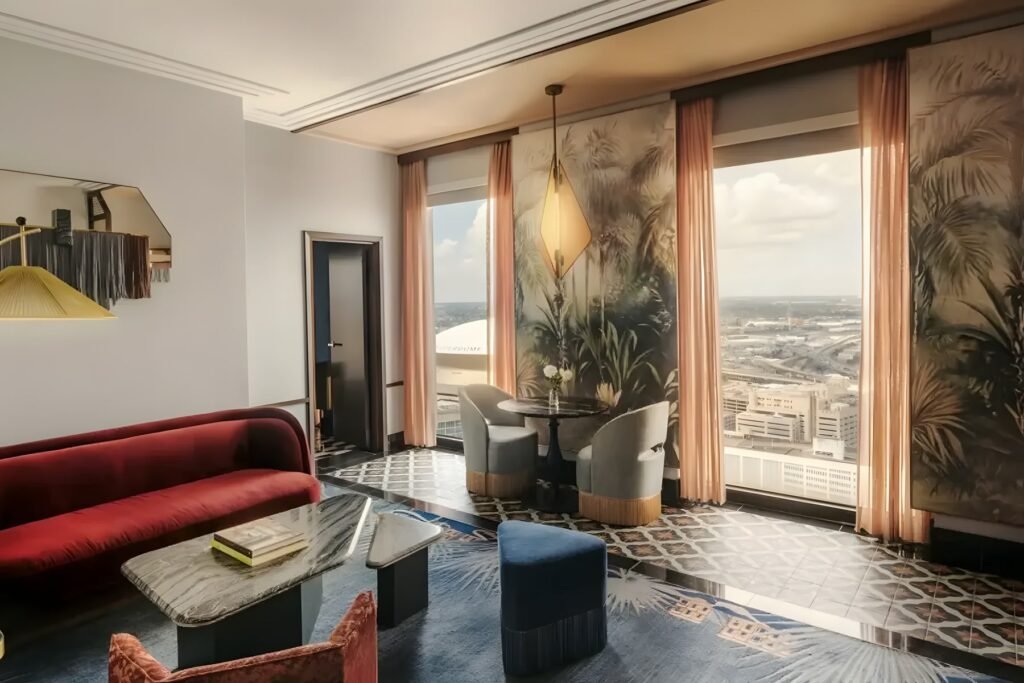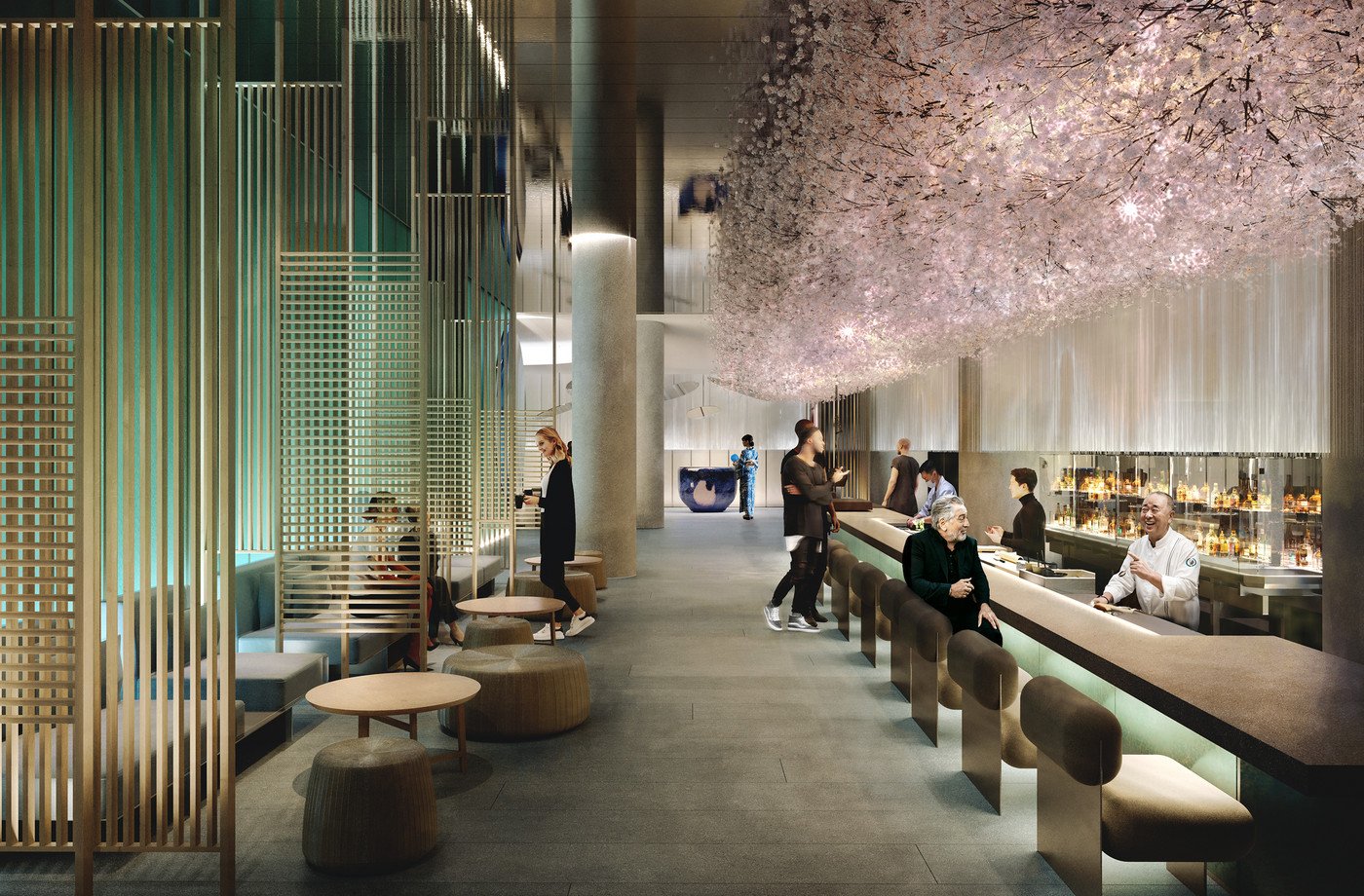
Nobu Hotel Elbtower Hamburg: Hamburg’s most anticipated architectural arrival finally lands with Nobu, anchoring a tower that rewrites what a European hotel can be.
Hamburg’s skyline just got the punctuation mark it’s been waiting for. The Nobu Hotel Elbtower Hamburg, one of Europe’s most watched new hotel debuts, has arrived as part of a broader shift reshaping luxury travel across the continent. By 2026, according to Galerie Magazine, the landscape of high-end hospitality is no longer organized around predictable coastal resorts or global brand saturation. Instead, the most significant new openings are scattered across rewilded East African escarpments, carved into granite valleys above the Red Sea, hidden on Baltic islands where dark skies still exist, and perched on Patagonian estancias staring down live ice fields.
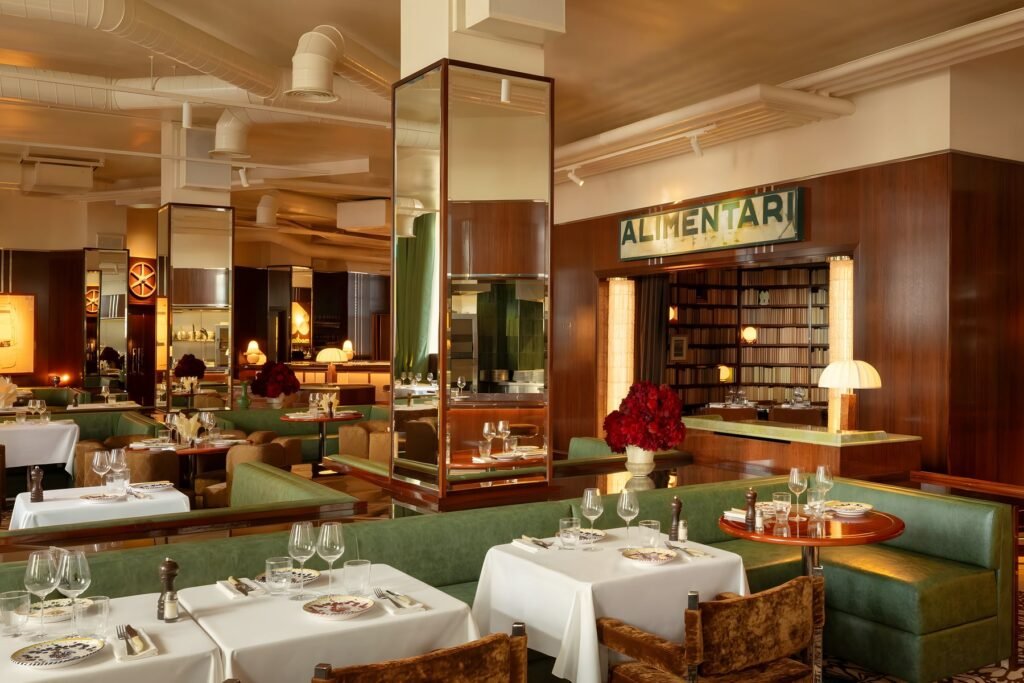
The Nobu brand’s presence in Hamburg marks a deliberate move into Northern Europe’s emerging hospitality conversation. While the magazine’s broader 2026 hotel forecast emphasizes intimate retreats and historically restored properties, the Elbtower project signals that luxury towers can still command attention when they’re paired with the right operator and architectural ambition. The property takes its design language seriously, anchored by the Nobu kitchen and service philosophy that has defined the brand across Tokyo, New York, Los Angeles, and beyond. The Hamburg opening arrives as part of a year when travel’s gravitational pull has shifted entirely, moving away from abundance as the primary marker of luxury. Instead, silence, restraint, and architecture that responds to its context have become the new language.
What makes the Elbtower’s moment particularly sharp is its timing against a broader European trend toward hyper-specific, place-rooted hospitality. Galerie Magazine’s tracking of 2026 openings reveals properties like Airelles’s first hotel outside France, which crosses the Venice lagoon to Giudecca and turns a former palazzo into something closer to a walled island villa than a standard stay. In Beirut’s Saifi neighborhood, Maison Dada rebuilds a 1935 French Mandate house into a three-key micro-hotel, each apartment keyed to its original geometric tiles and featuring a 60-plus-piece art collection. On Hiiumaa, a UNESCO Biosphere Reserve in the Baltic, Eha keeps its guest list to twenty-two and pairs eight suites and three forest cabins with zero-waste dining under Michelin Green Star chef Peeter Pihel. Against this landscape of radical specificity, the Elbtower’s architectural drama and Nobu’s refined operational rigor position it as a different kind of statement entirely.
The detail most travelers will miss is precisely what distinguishes this moment in European luxury: these properties aren’t competing on size, amenity count, or global recognition alone. The Nobu Elbtower’s arrival coincides with a year when luxury has stopped chasing abundance. Instead, it arrives through what Galerie Magazine calls the architecture that bends to topography rather than bulldozing it flat, through converted chapels that hold more resonance than new-build palaces, and through the kind of time that moves at the speed of seasons rather than notifications. The tower’s prominence in Hamburg’s skyline is undeniable, but its true power lies in how it reflects a hospitality industry that has finally caught up with what genuinely moves the needle for travelers who have exhausted conventional luxury.
Hamburg’s most important new landmark isn’t just opening a hotel. The Nobu Hotel Elbtower Hamburg is arriving at precisely the moment when European hospitality stopped playing it safe and started chasing something deeper than comfort, marking a turning point for how luxury towers command attention in cities worldwide.
Sources: galeriemagazine.com