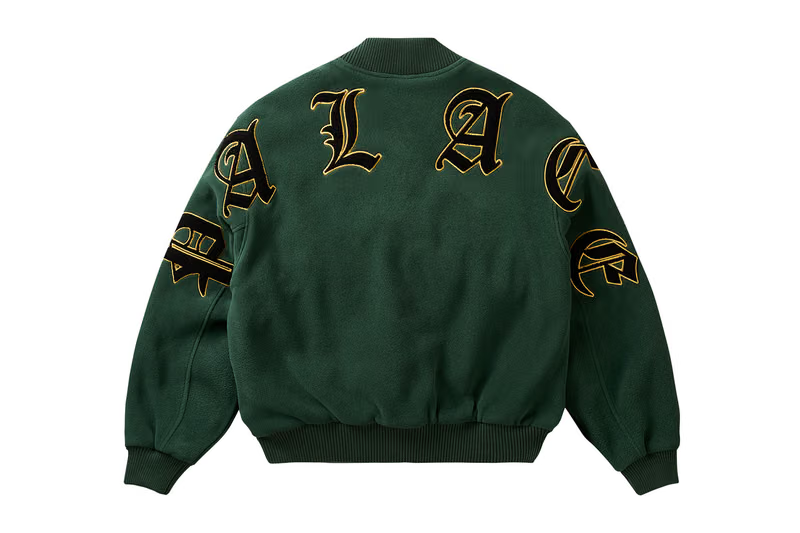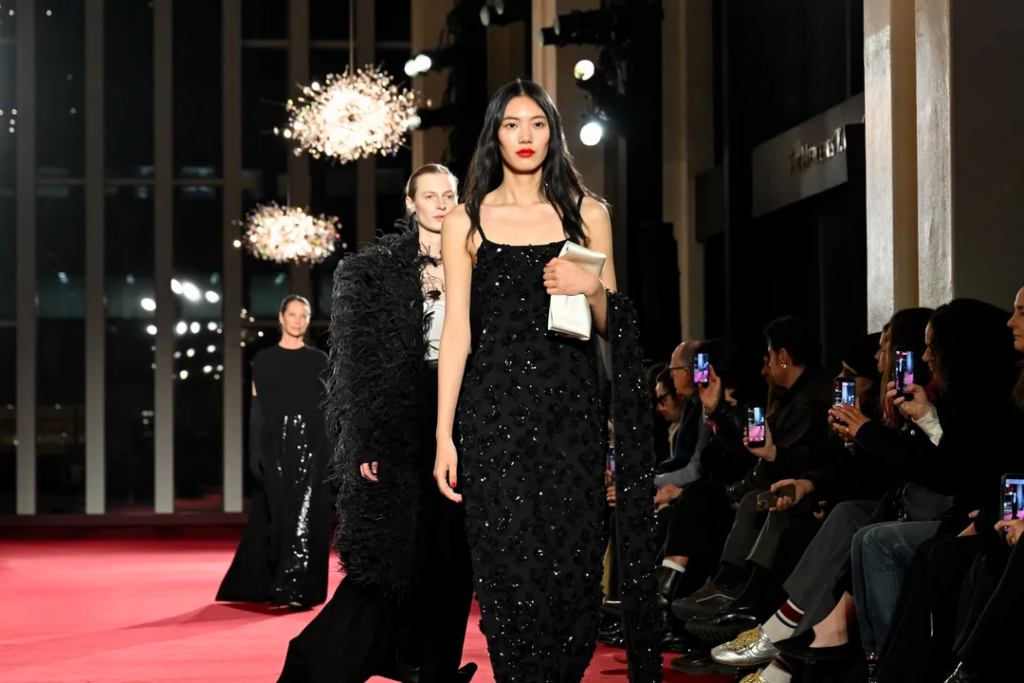
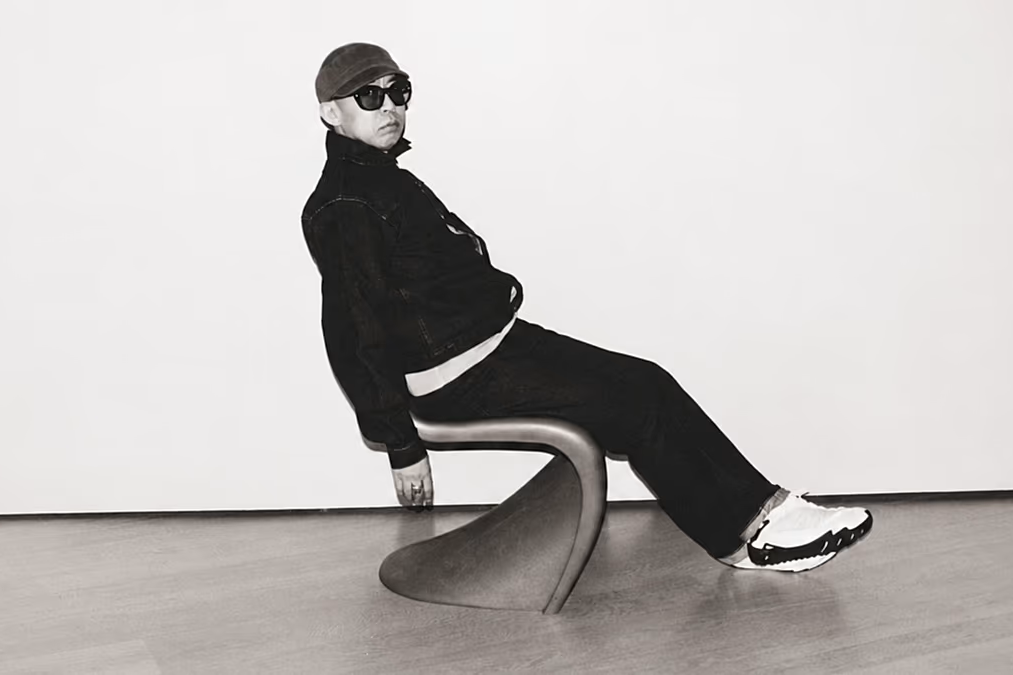
When NIGO stepped into the Kenzo creative director role in 2020, it felt less like a career pivot and more like a homecoming for someone who’d already remapped how the world understood Japanese streetwear. Now, with his first major NIGO museum retrospective launching this September, the full arc of his influence becomes visible in a way street culture rarely permits. This isn’t a retrospective tacked onto a major institution as an afterthought. This is a full institutional reckoning with how one designer, working initially from Tokyo’s underground, managed to reshape luxury fashion’s entire relationship with hip-hop, cartoons, militaria, and the aesthetics of rebellion itself.
The retrospective pulls from NIGO’s entire catalog, which means it spans the moment when BAPE was still a boutique cult object in Harajuku and the point at which shark motifs and camo patterns became legitimate signals of taste across New York, London, and Paris. It’s the visual documentation of how streetwear stopped being a domestic Japanese phenomenon and became global currency. Collectors who paid thousands for vintage BAPE hoodies in the early 2000s will see those same pieces contextualized against sketches, prototypes, and the cultural machinery that made those drops feel both exclusive and urgent. His work at Kenzo, which added haute couture polish to streetwear’s irreverence, shows up too, creating a throughline that illustrates how luxury fashion had to evolve to remain relevant to younger audiences who’d already been trained by NIGO to demand authenticity over pedigree alone.
What separates this NIGO museum retrospective from typical fashion retrospectives is the specificity of NIGO’s cultural work. He didn’t just design clothes. He engineered scarcity, built community through limited drops, and demonstrated that authenticity and innovation could reshape how luxury fashion itself was understood by a generation that valued street credibility over established pedigree.