The sober social movement is remaking how we spend our leisure time. Instead of dimly lit bars, thousands of people are lacing up sneakers at dawn to join structured run collectives that double as social hubs. Simultaneously, sober socializing has moved from niche wellness culture into mainstream entertainment, with dedicated alcohol-free venues and events becoming cultural staples rather than alternative options. These two phenomena aren’t happening in isolation; they represent a broader recalibration of what community and leisure mean in 2026.
Run clubs have evolved far beyond solo joggers meeting at coffee shops. These organized groups now function as identity markers and lifestyle anchors for participants who value fitness, community, and structured social time. The appeal cuts across demographics and fitness levels. A beginner runner and a serious athlete can occupy the same group, bound by shared purpose rather than competitive pressure. Many clubs operate with zero membership fees, relying instead on sponsorships or voluntary donations, which has democratized access. The atmosphere operates somewhere between bootcamp accountability and friend group therapy, complete with post-run social rituals, merchandise, and the kind of inside jokes that build genuine belonging. Cities worldwide have seen these clubs proliferate at every hour; some meet before work, others in evening slots, creating multiple entry points for participation.
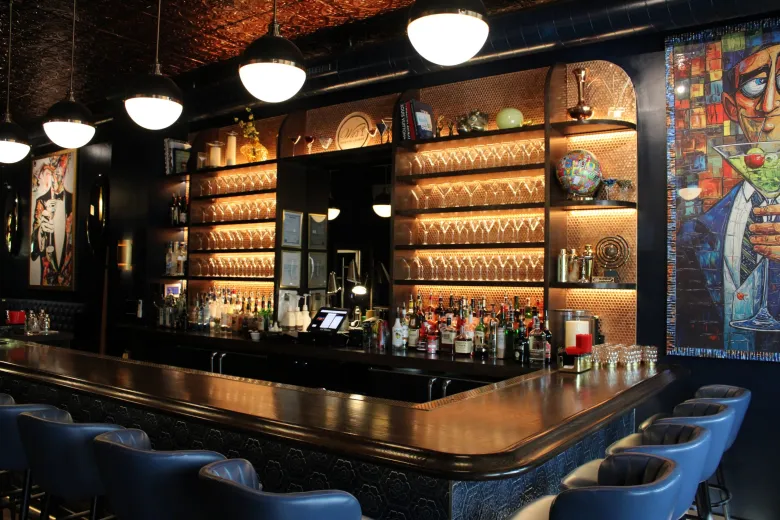
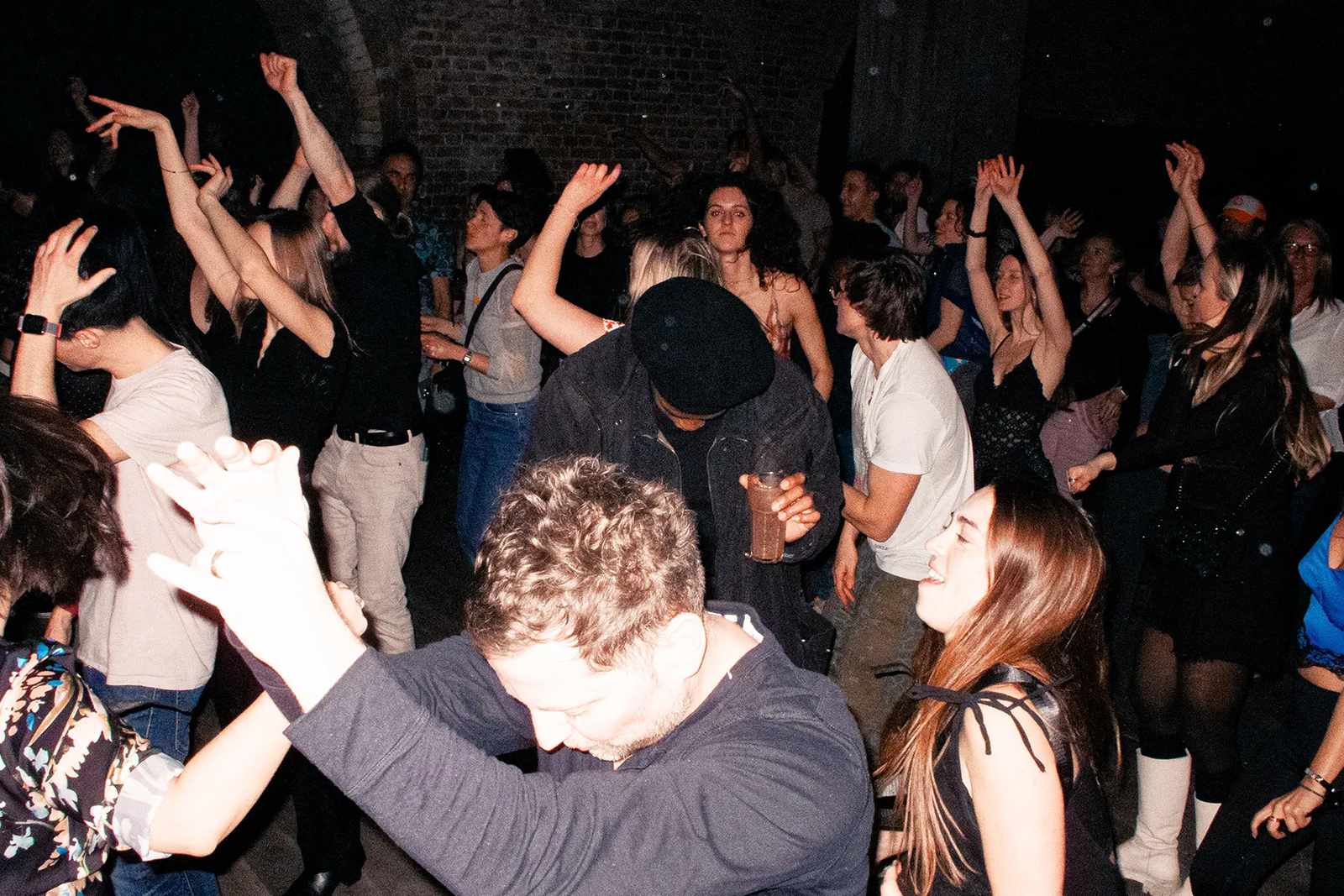
The parallel rise of alcohol-free socializing reflects a genuine cultural pivot. No-alcohol spaces and events have transitioned from being perceived as compensatory or judgmental to becoming genuinely desirable destinations. Sober venues now feature curated experiences: craft nonalcoholic beverages engineered to rival cocktail complexity, DJ sets and live music comparable to traditional nightlife, and social programming that treats sobriety as neutral rather than exceptional. This shift has attracted people beyond those with substance use recovery goals. Young professionals, parents, athletes, and those simply fatigued by drinking culture now view sober nights out as preferable, not as compromise. The normalization means someone can organize a night out without alcohol being either the centerpiece or the absence worth commenting on.
The sober social movement reflects a genuine cultural pivot toward intentional community building and wellness-centered leisure. What began as niche alternatives has evolved into mainstream cultural forces that reshape how people find belonging, fitness, and social connection in 2026.