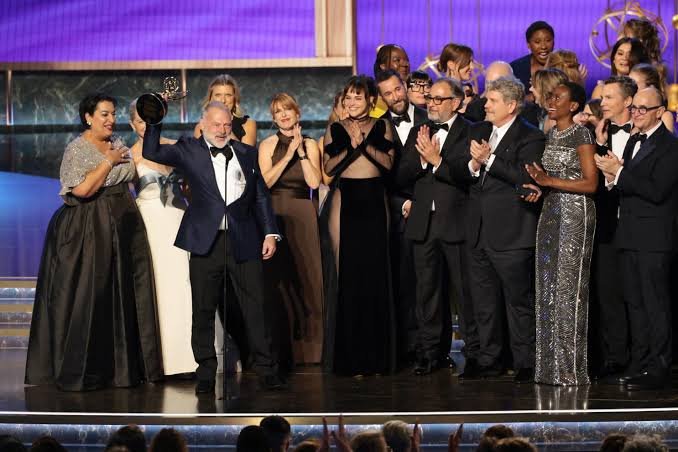
There’s a peculiar electricity hanging over Emmy Awards 2026 this year, the kind that only arrives when nobody’s quite certain how the night will land. On September 14, Mariska Hargitay will take the stage to host the 78th Primetime Emmy Awards, and she’s stepping into a ceremony that refuses to follow the usual script. The conventional playbook, the one where a few heavy hitters lock down the major categories weeks in advance, has been tossed. Instead, the race feels genuinely contested in a way that’s become almost rare in prestige television awards season.
The Pitt has emerged as the cycle’s heavyweight, arriving at the ceremony with 25 nominations, a commanding haul that positions the show as frontrunner across multiple categories. That kind of vote of confidence from the Academy is impossible to ignore, yet it doesn’t necessarily translate to domination on the night itself. The television landscape has fragmented enough, and voter sentiment has become unpredictable enough, that a massive nomination count no longer guarantees sweep status. Other shows, newer entrants, and established programs with passionate fanbases are circling, ready to claim their moment. The supporting categories remain particularly murky, with legitimate contenders spread across network television, cable, and streaming platforms. Comedy is fractured. Limited series feels wide open. Even the drama categories, typically the most predictable evening, have developed genuine tension.
What makes this year different is the absence of a clear consensus in most races. There are frontrunners, certainly, but no walls. Voters appear willing to spread the wealth, to honor work across different platforms and different styles of storytelling. Hargitay, a television institution in her own right after decades anchoring one of the most durable dramas ever produced, brings credibility and warmth to a night that needs exactly that kind of grounding. She’s not an outsider taking a ceremonial job; she’s a peer, someone who understands the particular alchemy required to keep audiences invested in serialized storytelling week after week, year after year.
What makes this Emmy Awards 2026 cycle different is the absence of a clear consensus in most races. There are frontrunners, certainly, but no walls. Voters appear willing to spread the wealth, to honor work across different platforms and different styles of storytelling. Hargitay, a television institution in her own right after decades of acclaimed work, steps into a host role that carries genuine weight this year, navigating an Emmy Awards 2026 landscape that remains beautifully, frustratingly uncertain.