Three cultural anchors hit the streaming giant this month, and none of them are playing it safe.
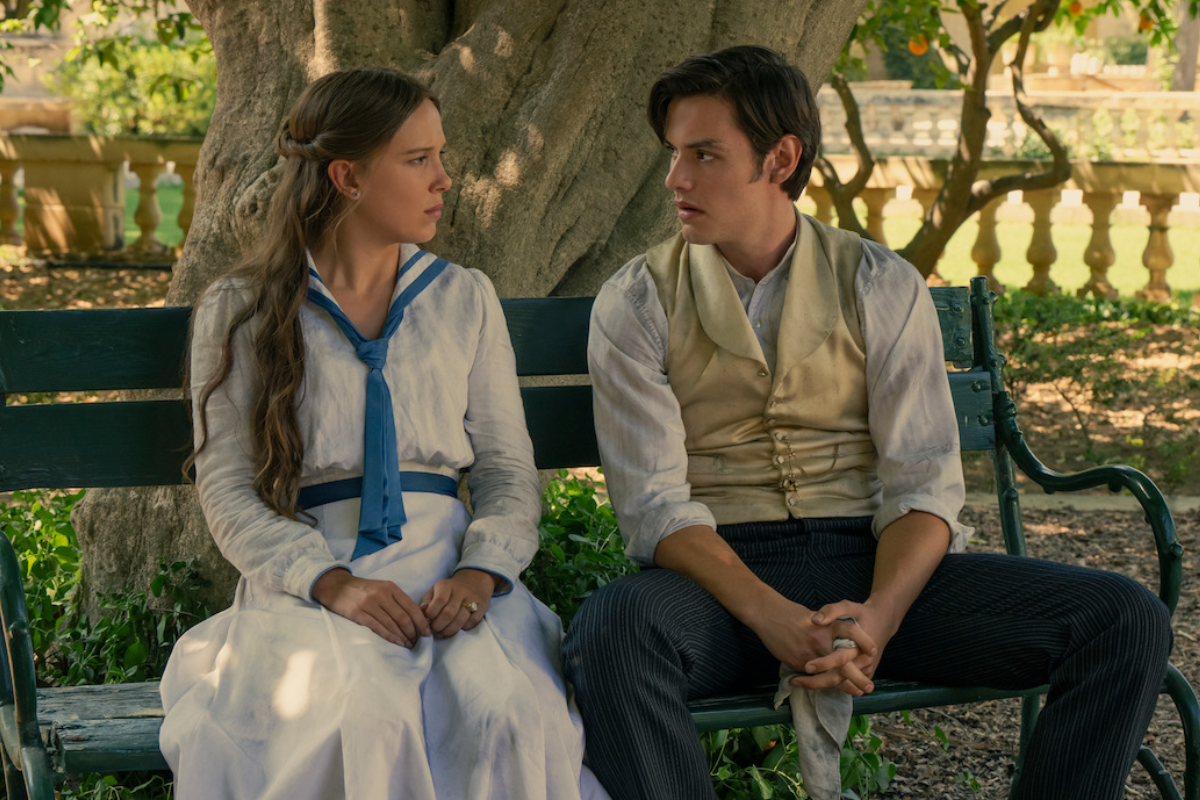
Enola Holmes is coming home for the last time, and she’s bringing Sherlock’s mess with her. The third and final installment of Netflix’s fiercely popular mystery franchise drops this month, closing a storyline that’s made a global phenomenon out of a character most people had never heard of five years ago. Millie Bobby Brown’s teen detective has become more valuable real estate than the Victorian cases she solves, which means Netflix isn’t letting her go quietly. This is a full-scale event release, the kind that moves needles across multiple demographics and keeps the algorithm humming for weeks.
But Enola isn’t alone in the farewell department. Heartstopper, the internet’s most beloved teen romance series, is also saying goodbye this month with its finale season. What started as a graphic novel discovered by algorithm scrollers has become prestige television that actually treats young queer relationships with the tenderness they deserve, not as either tragedy or tokenism. Netflix knows exactly what it has here: a show that built its audience through pure word-of-mouth and fan devotion, the kind of cultural capital that money can’t buy. Letting it end on its own terms, rather than canceling it midway through, is a calculated move that preserves the franchise’s legacy.
Then there’s Kevin Hart’s 72 Hours, a comedy special that arrives like a veteran pulling up to the ring one more time. Hart’s comedy has always been about sweat, effort, and the willingness to mine his own life for laughs that land harder because they’re earned. This month, Netflix is betting that comedy specials still move culture, even in an era where everything is clipped and contextualized into shorter pieces. Three completely different products, three completely different audiences, all arriving in the same month. That’s not accident. That’s a streaming service reminding everyone why they still pay the bill.