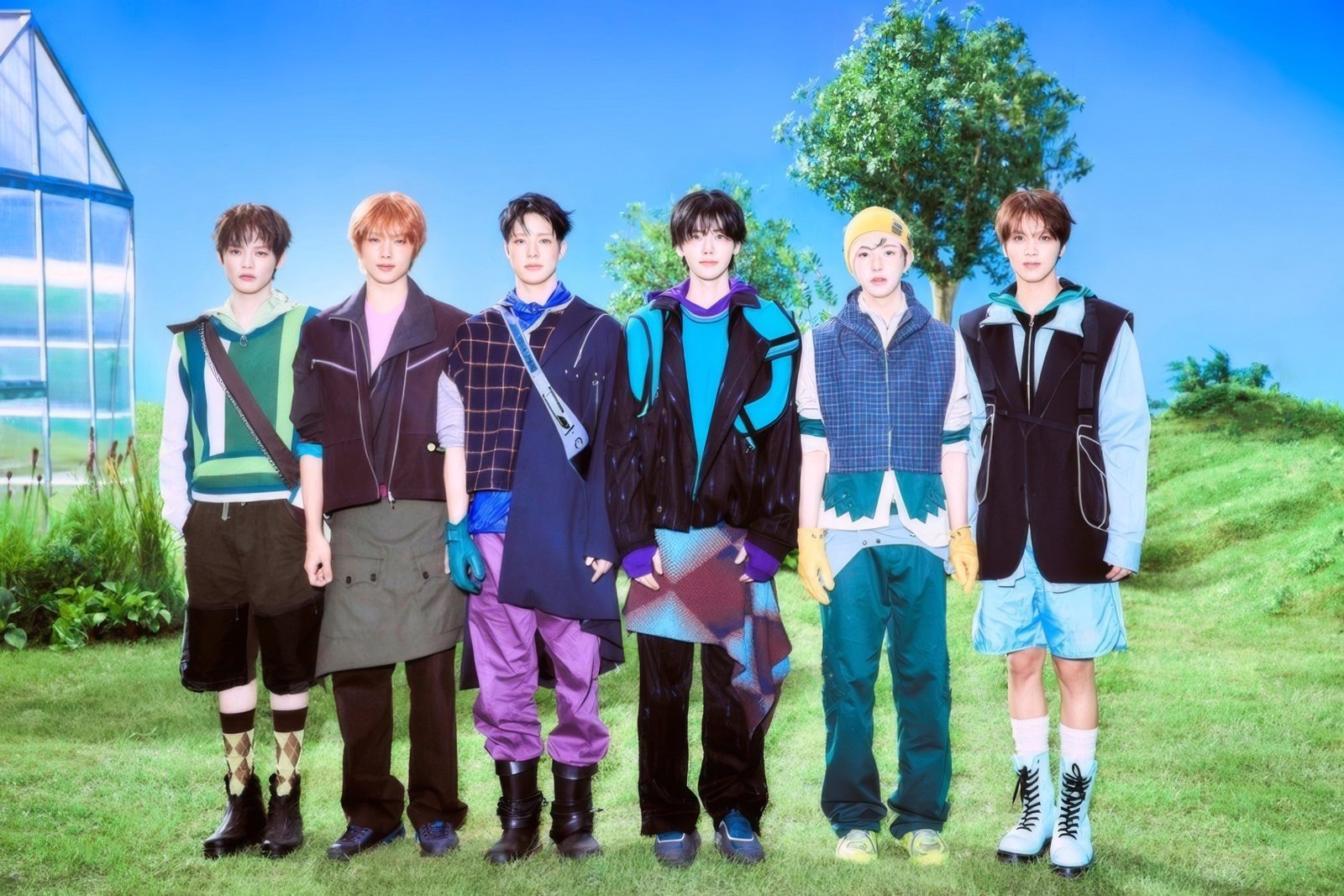
Nct Dream Dream After Dream: The K-pop collective marks their tenth anniversary with a groovy left turn on their sixth studio album, arriving November 9.
There’s a specific kind of risk that comes with longevity in K-pop. Ten years in, most groups either calcify around what made them untouchable or they reach for something that feels desperate, unearned. NCT Dream, arriving November 9 with their sixth studio album “Dream After Dream,” appears to have chosen a third path: they’re leaning straight into the velvet ropes and wah-pedal guitars of 1970s disco-funk, and they’re doing it with the confidence of a group that has already proven they can pull off almost anything.
The lead single “Boogie Woogie” arrives as the blueprint for this pivot. Not a whisper of the sleek, nocturnal production that defined their earlier runs. Instead, there’s genuine groove here, the kind that feels almost retro enough to work as pastiche, but executed with enough contemporary precision that it lands as something else entirely: a genuine stylistic statement from a group marking a decade-plus of existence. For a collective that’s spent years navigating the tightly wound choreography and vocal precision that SM Entertainment demands, the looseness implicit in “Boogie Woogie” feels almost transgressive.
The timing matters. Post-tenth anniversary albums in K-pop rarely feel urgent. They often read as victory laps, placeholder moments between the group’s “real” work. But NCT Dream choosing this particular moment to abandon their established sonic blueprint suggests something different entirely: a group confident enough in their fanbase to experiment precisely when they might be expected to consolidate. The disco choice isn’t subtle either. It’s not a bridge track buried in the middle of a project. It’s the first thing listeners hear.
That willingness to move this deliberately, this visibly, reflects something shifting in how legacy-adjacent K-pop acts approach their catalogs. The group could have easily retreated into safe maximalism, loading “Dream After Dream” with the kind of high-concept production that plays well in awards seasons and year-end streams. Instead, there’s an acknowledgment here that ten years is enough distance to look backward with actual perspective. The disco era didn’t win because it was perfect. It won because it had something to say, and that swagger, that particular kind of confidence, appears to be what NCT Dream is excavating.
Whether the full project sustains this energy across the album’s runtime remains to be seen. ‘Dream After Dream’ arrives November 9, and NCT Dream appears poised to prove that legacy acts can still take genuine creative risks. But if the lead single is any indicator, this is a group still interested in making choices that might alienate casual listeners, choices that require something from an audience beyond passive consumption. In a landscape where K-pop albums increasingly function as content delivery mechanisms, that’s a small but genuinely notable thing.