A sweeping new exhibition charts how seven West African nations built their post-independence identities through architecture, design, and urban vision.
The glass doors of MoMA swing open on something overdue: more than 450 objects spanning buildings, drawings, photographs, and material culture that document how West African countries imagined themselves into existence through concrete, steel, and civic vision. “Architects of Liberation” unfolds across seven nations in the region, tracing the moment when colonial borders stopped determining what got built and who got to design it. The work here isn’t theoretical or retrospective in the polite, museum-approved way. These are the actual blueprints, the site plans, the furniture pieces, and the photographs that show architects and designers claiming space, literally and culturally, in the decades after independence.
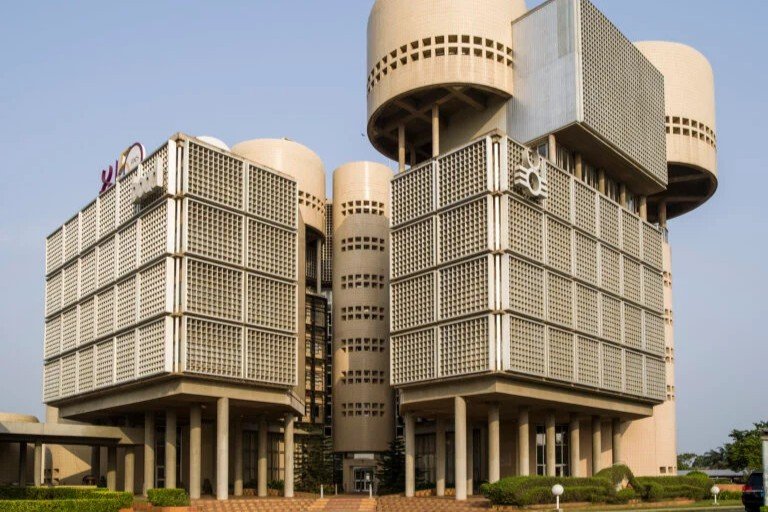
What MoMA is presenting reads as a correction to a particular blindness in how Western institutions have historically framed modern design. The mid-century modernist canon tends to circle back to the same names, the same geographies, the same handful of European and American figures. But the modernism that emerged across West Africa in the 1960s and 1970s wasn’t derivative or secondary. It was urgent, rooted in specific material conditions and political necessity, and it produced buildings and objects that shaped daily life for millions of people. A national stadium here, a ministerial complex there, residential neighborhoods designed around community rather than isolated villas. The show makes visible what should have always been visible: that modernism was a global conversation, and West Africa didn’t just participate, it led.
The exhibition lands at a moment when global design discourse is finally beginning to interrogate its own colonial assumptions. Collectors are hunting for West African modernist furniture. Architecture students are studying the work of designers who were essentially invisible in most standard histories. MoMA’s scale and reach mean this exhibition won’t be a footnote or a specialist show that only insiders know about. It’s a full institutional statement: these architects and designers matter. Their vision of what cities and objects could be, filtered through independence and self-determination, is part of how we understand what modernism actually was. For anyone paying attention to how design history is being rewritten right now, this exhibition is essential.