Lvmh China Crisis: A 30% stock collapse and Louis Vuitton’s retreat from Guizhou signal that the luxury sector’s China dependency has finally cracked.
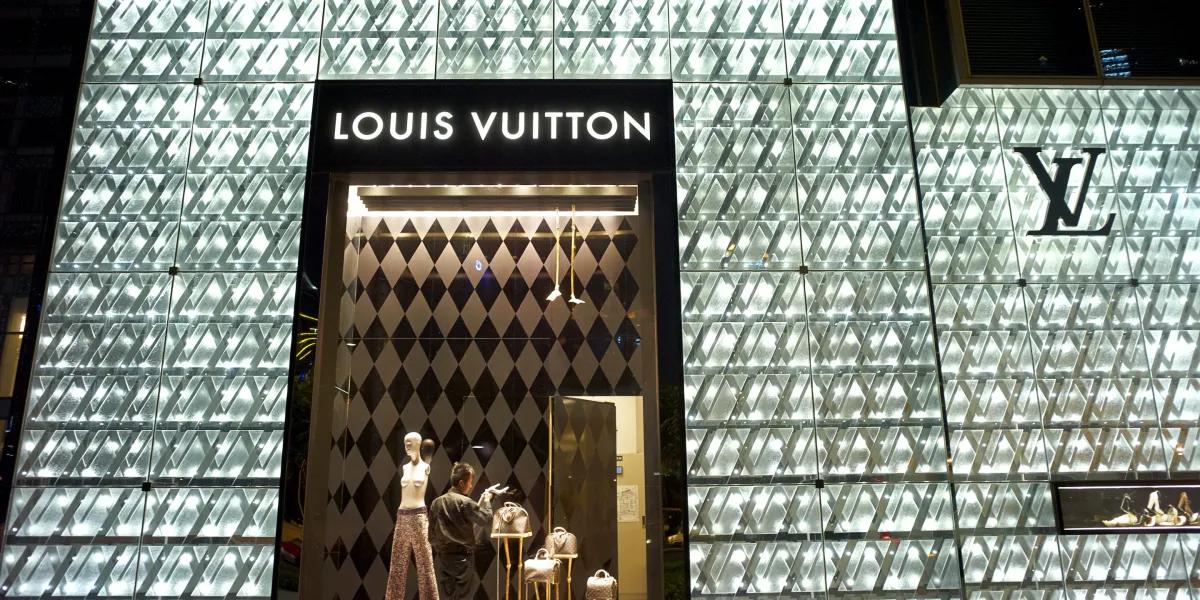
LVMH’s China crisis has arrived with unmistakable force: the conglomerate’s stock is down nearly a third this year, and the reason is straightforward. Chinese consumers, who bankroll the entire global luxury machine, have stopped spending. The retreat is visceral enough that Louis Vuitton is actively closing operations in Guizhou, a move that reads less like portfolio optimization and more like triage.
The numbers explain the panic. Luxury sales across China have contracted by double digits, a velocity that wasn’t supposed to happen in a country where LVMH generates roughly a third of its revenue. For two decades, the narrative held that Chinese wealth creation was an unstoppable force, that aspirational buying from rising middle and upper classes would offset any slowdown in mature markets. That thesis is collapsing. Tax policy changes targeting wealthy shoppers have crimped discretionary spending. Consumer confidence has fractured. And brands that bet their entire growth model on Chinese tourism and domestic affluence are now discovering what happens when that engine stalls.
LVMH’s China Crisis Signals a Larger Recalibration
Closing stores in secondary Chinese markets like Guizhou was always meant to signal premium positioning and scarcity. But in 2026, it reads as retreat. LVMH’s decision to exit isn’t about elevation; it’s about cash preservation. The company is consolidating into tier-one cities where brand loyalty and purchasing power remain intact, effectively writing off the aspirational consumer base that was supposed to fuel the next decade of growth. This has brutal implications for luxury’s smaller competitors, which often depend on geographic expansion into secondary cities to drive volume. If LVMH is contracting, mid-market luxury brands face a tightening noose.
What’s happening in China now reverberates across the entire sector because luxury is fundamentally reliant on the wealth effect. Handbags, watches, and champagne aren’t survival goods; they’re confidence purchases. When wealthy Chinese consumers tighten their wallets, that psychological shift spreads through boutiques from Shanghai to Paris to New York. LVMH’s historic stock decline isn’t just a company problem. It’s the luxury market finally reckoning with the fact that China’s growth era has ended, and the real work of sustainable positioning is just beginning.