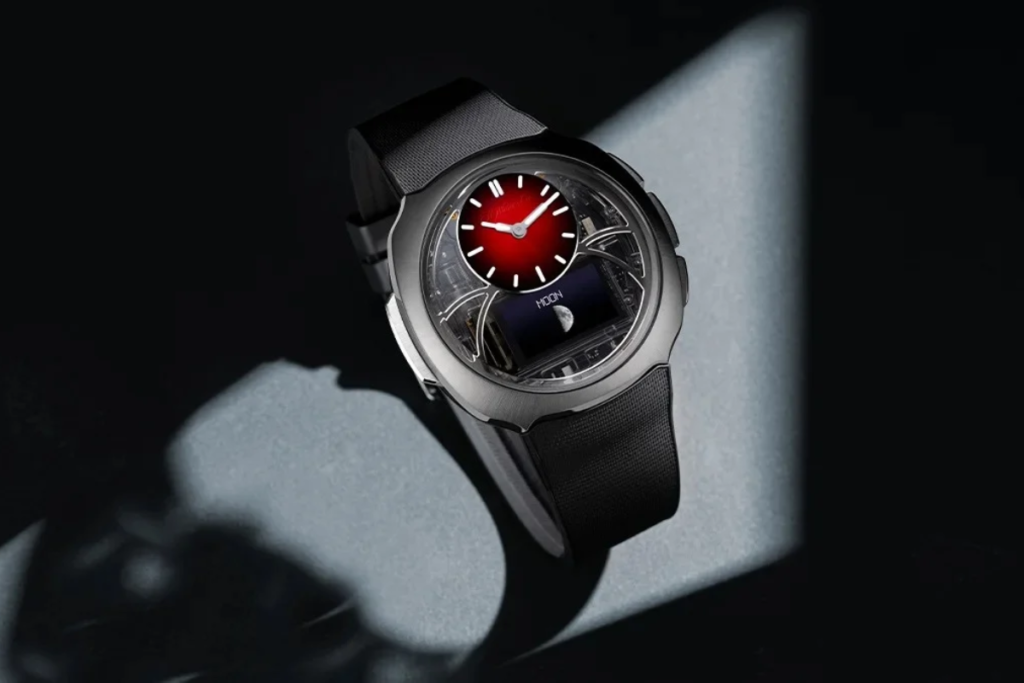
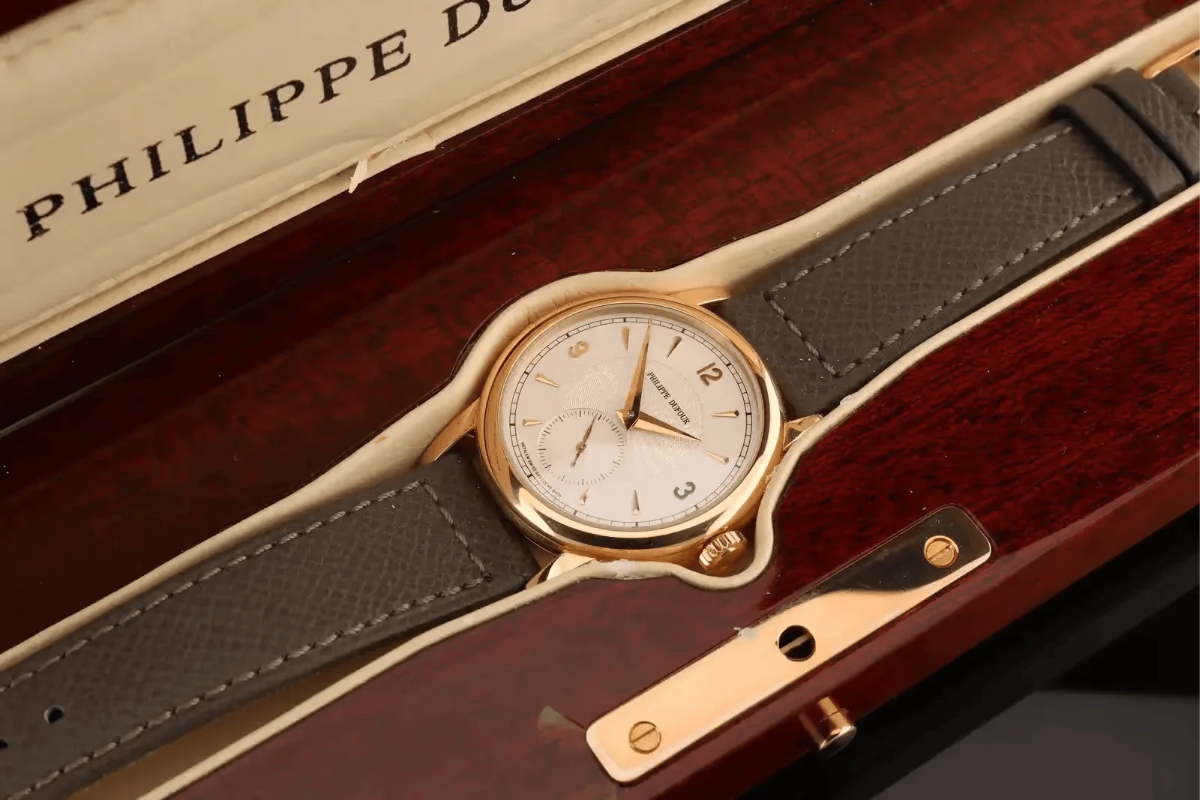
Philippe Dufour Simplicity: Five confiscated luxury watches, including a holy grail timepiece from independent Swiss horologist Philippe Dufour, hit the auction block in a historically rare moment for government-seized horology.
A Philippe Dufour Simplicity is about to trade handcuffs for a gavel. The watch, one of the most coveted independent timepieces in existence, sits among five seized luxury pieces heading to UK government auction after law enforcement seized them in an unspecified criminal investigation. The Simplicity represents the kind of watchmaking moment that collectors spend decades trying to engineer: a hand-finished, independently produced mechanical watch from a man who has made fewer than 500 pieces in his entire career. This particular specimen carries the weight of rarity squared, it’s a Dufour in the wild, and it’s being sold by the state.
Philippe Dufour’s Simplicity occupies a unique position in horological culture. The Geneva-based watchmaker has spent the last four decades producing watches in near-total obscurity, eschewing marketing and celebrity endorsement in favor of pure technical execution. Each Simplicity is built by Dufour himself or under his direct supervision, featuring a hand-wound movement with a deadbeat seconds mechanism that reads like a mechanical poem. On the secondary market, when a Simplicity even surfaces, prices routinely climb into six figures. A government auction creates a peculiar situation: these are not pieces emerging from a collector’s estate or changing hands through normal market channels. They’re evidence, liquidated through bureaucratic process.
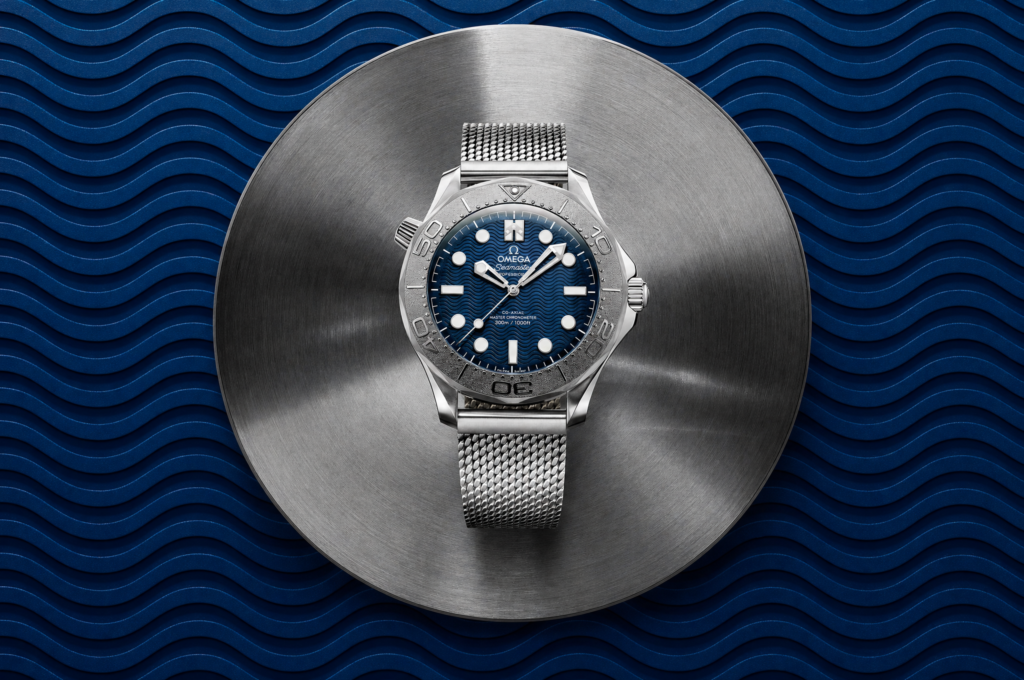
The other four watches in the lot remain unnamed in available information, though government auction catalogues of this caliber typically include pieces worth substantial sums individually. The UK government periodically auctions seized assets, but timepiece-focused lots featuring independent watchmakers like the Philippe Dufour Simplicity are extraordinarily uncommon. Collectors and dealers now face a compressed window to bid on one of horological culture’s most elusive creations, a moment that underscores how even the rarest mechanical watches can enter the public sphere through unexpected channels.