Hypebeast 20 Years Exhibition: A New York gallery show uses collaborative t-shirts to document two decades of streetwear’s rise from underground to mainstream dominance.
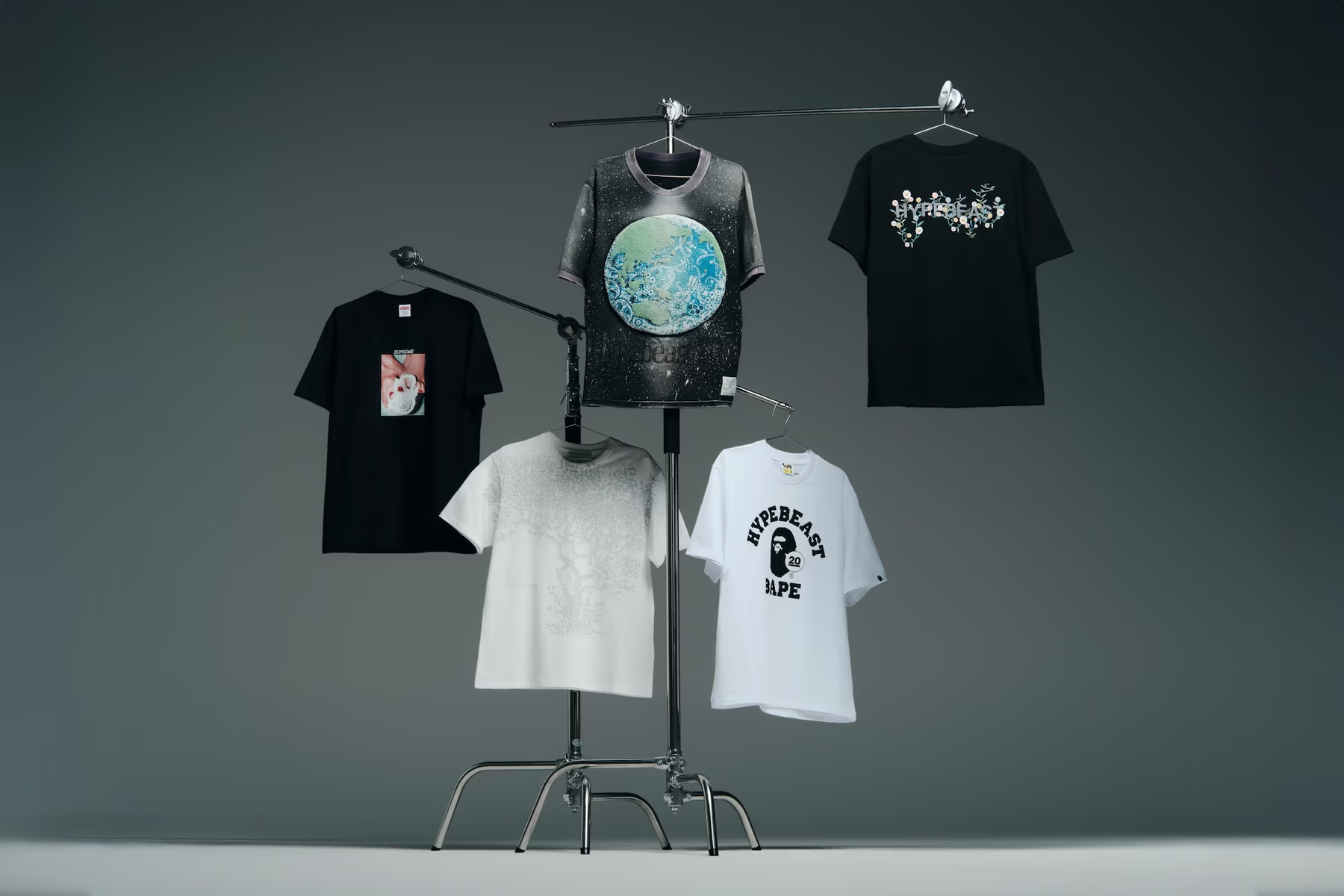
When Hypebeast opened its doors two decades ago, streetwear was still fighting for legitimacy in fashion’s institutional hierarchy. Today, the Hypebeast 20 years exhibition in New York proves the culture has won completely, not through a conventional retrospective, but through something more honest: 20 collaborative t-shirts that read like a scorecard of who actually shaped the space. Supreme, Fragment, ACRONYM, and the rest of the lineup aren’t tacked onto this project as nostalgia bait. They’re the language Hypebeast has always spoken, and turning that language into a gallery experience feels like the natural endpoint for a publication that helped legitimize hype itself.
The genius of the format sits in its restraint. T-shirts are democratic in a way that installation art or high-concept gallery pieces simply aren’t. They’re what streetwear actually is: wearable, tradeable, worn out in public, fought over at 10 a.m. drops. By anchoring this milestone to collaborative tees rather than coffee table books or oral histories, the exhibition acknowledges that streetwear’s real archive isn’t curated by institutions, it lives on the backs of people who camped outside boutiques, learned resale economics before they understood actual economics, and built community around objects. The gallery framework elevates the format without making it precious. This is the opposite of how legacy luxury houses present their heritage, and that distinction matters intensely right now, when streetwear brands face constant pressure to apologize for their own origins or sand down their rough edges to appeal to broader demographics.
The specificity of the lineup signals something worth noting about Hypebeast’s actual influence across two decades. This exhibition proves that the Hypebeast 20 years legacy isn’t built on obvious choices or safe retrospective picks, it’s rooted in the brands and collaborators that genuinely shaped how streetwear became the dominant force in global fashion culture.