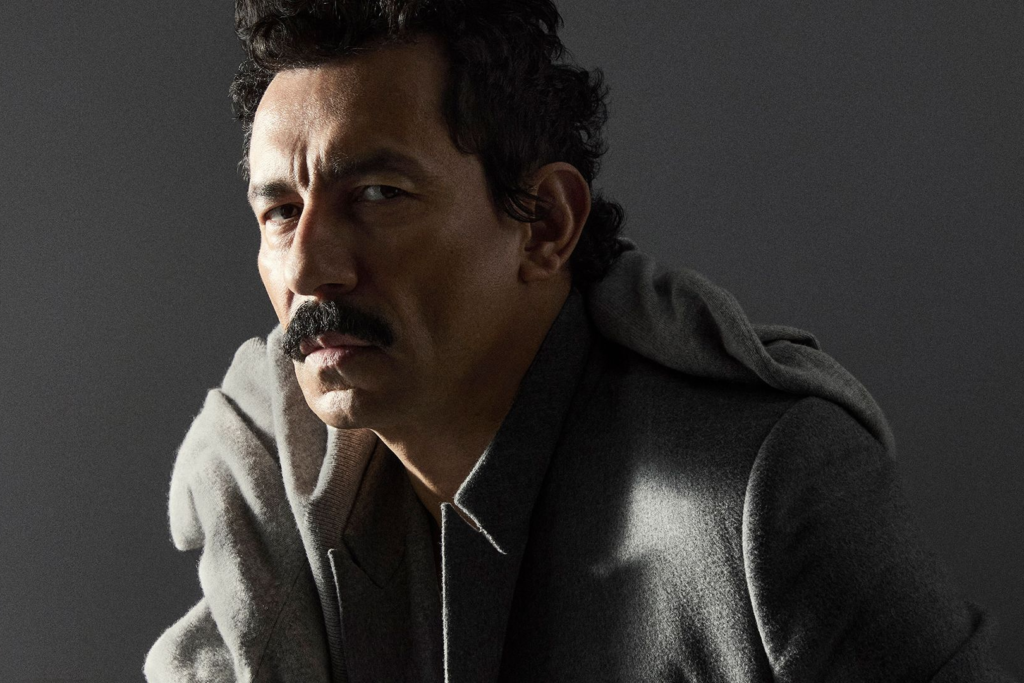
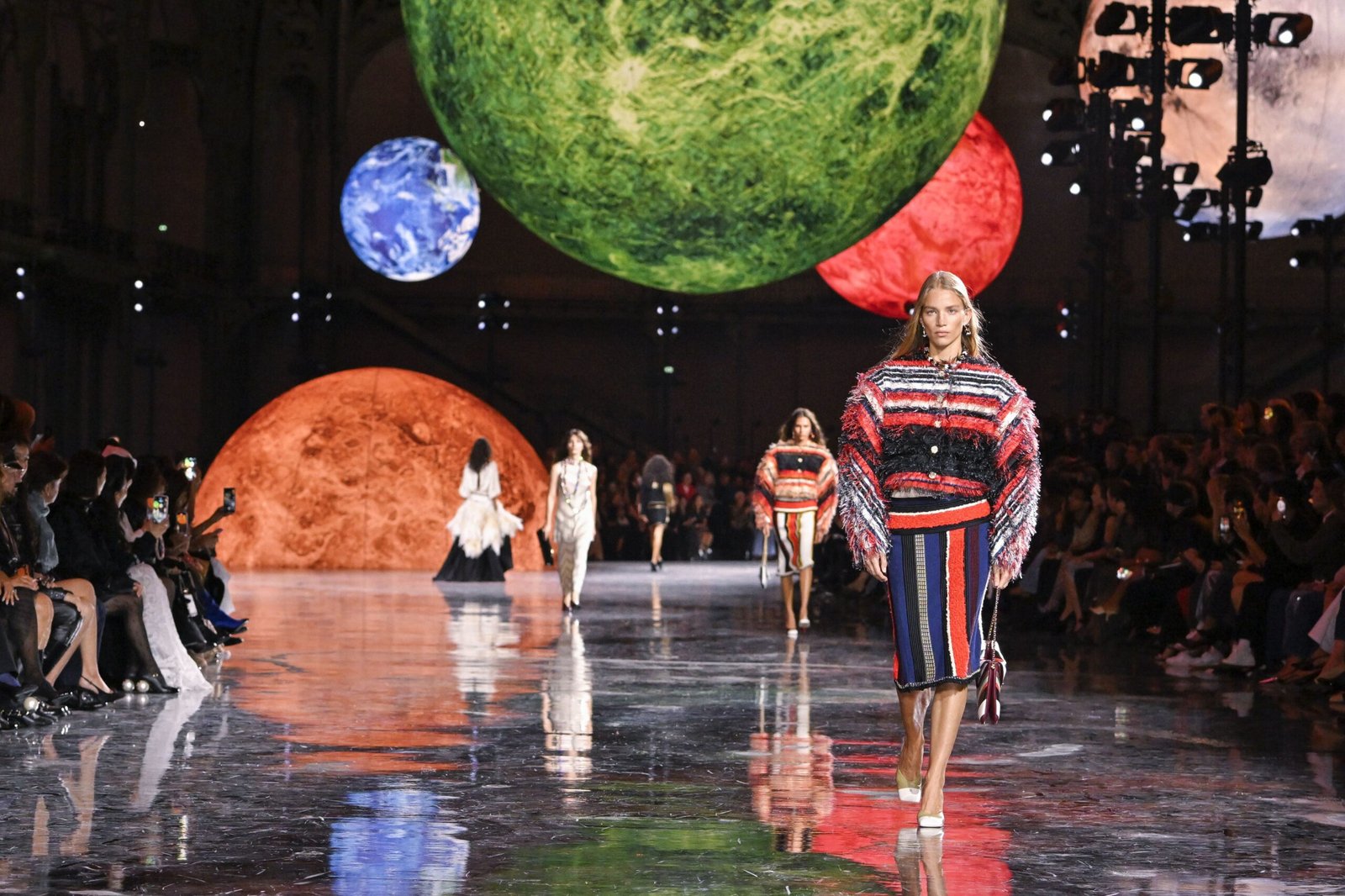
Matthieu Blazy Chanel: The designer’s sophomore season arrives as the final statement before Louis Vuitton’s new era begins.
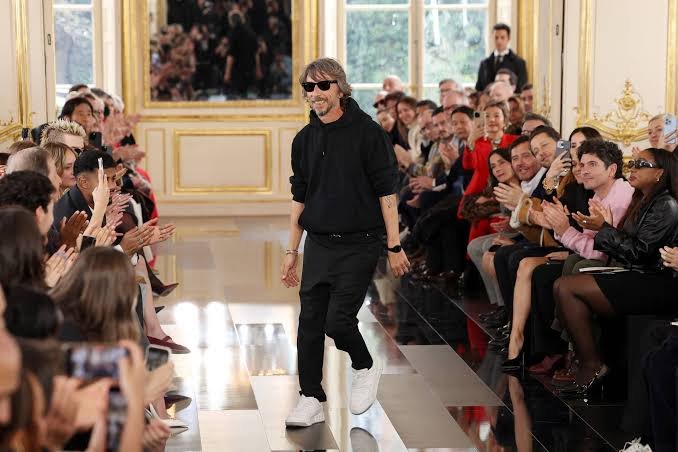
Matthieu Blazy took the Chanel runway on October 5 to close Paris Fashion Week’s spring-summer 2027 presentations, and the timing alone carries weight. This was his second collection for the house, arriving in a moment when the fashion industry remains divided on his vision for a brand that represents arguably the most scrutinized creative position in luxury. Blazy inherited not just a label but a legacy so dense that every seam, every proportion, every decision gets parsed for either reverence or rupture.
The significance of Blazy closing the official schedule cannot be overlooked. By tradition and industry infrastructure, the finale slot belongs to a house expected to deliver a statement moment, something that lands and lingers. For Chanel, that slot has carried ceremonial weight for decades. Blazy’s placement here suggests confidence from the FIHH side, even as the broader conversation around his tenure remains unsettled. His first collection had its moments of curiosity but also raised the question many were afraid to ask directly: what does Chanel under Blazy actually want to be? Is it a recalibration toward a younger sensibility, a quiet revolution, or something still in formation?
The real subplot, though, belongs to what comes after. Louis Vuitton’s new creative direction looms as the week’s coda, shifting the spotlight just as Matthieu Blazy exits it. In fashion’s current landscape, where every major house transition becomes a referendum on taste and cultural temperature, Blazy’s October 5 moment read less as a victory lap and more as a checkpoint. A second chance, essentially, to show he understands the assignment for Matthieu Blazy at Chanel.