Hong Kong Jewelry Sales: A 22% surge in Hong Kong jewelry and watch sales reveals how mainland China’s richest are using precious metals as a hedge against Beijing’s tightening grip on offshore wealth.
Hong Kong jewelry sales are experiencing a seismic shift in foot traffic and spending patterns. The latest data shows sales of jewelry and watches in the territory jumped 22 percent, according to Bloomberg, marking a sharp acceleration in a market that has historically tracked tourism and consumer confidence. But this isn’t about holiday shopping or typical luxury tourism. This is about capital flight disguised as retail.
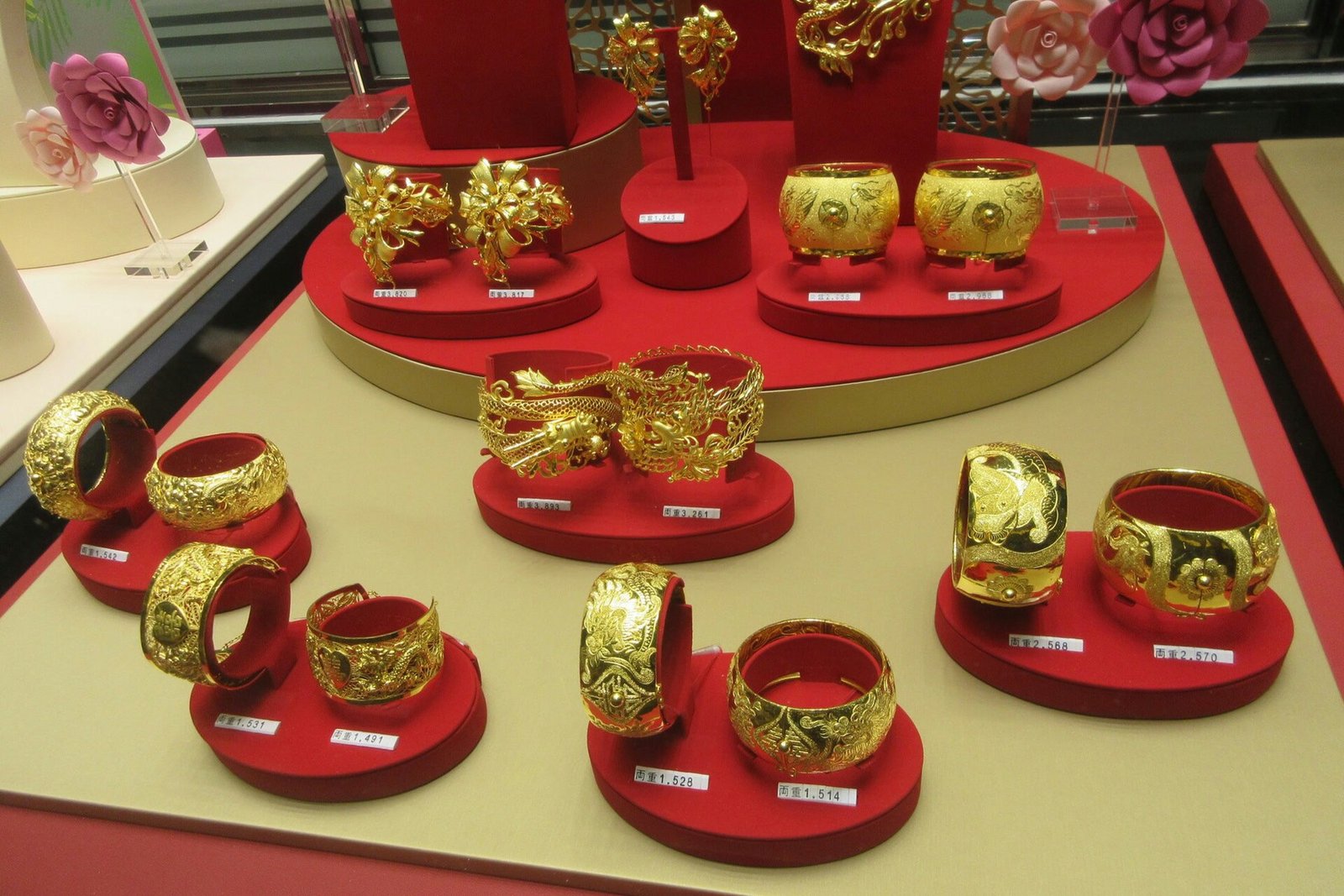
The timing is not incidental. As Beijing tightens regulations on offshore investment accounts and foreign asset transfers, mainland China’s ultra-high-net-worth individuals have discovered a loophole that doubles as a physical store: Hong Kong’s centuries-old jewelry market. Gold, diamonds, and luxury timepieces are portable wealth. They don’t require bank wire transfers that trigger scrutiny. They can be worn or carried. They hold value across borders. For a wealthy Shanghainese entrepreneur or Shenzhen industrialist watching their options narrow, a trip to Central or Causeway Bay to acquire precious metals feels less like shopping and more like strategic asset preservation.
The 22 percent surge is not marginal uptick. It’s a signal that the wealth migration patterns in Asia are reshifting in real time. Hong Kong, long positioned as a bridge between China and the West, is becoming something more immediate and tactical: a wealth preservation hub for those with the means to diversify away from mainland exposure. The jewelry counter has become a de facto alternative to the investment account.
What makes this phenomenon particularly sharp is the deliberateness behind it. These aren’t tourists buying token purchases for relatives back home. The scale of the sales surge, documented by Bloomberg, suggests concentrated, high-ticket acquisitions. Luxury watch sales are climbing alongside jewelry, indicating that buyers are targeting premium positioning within the market, not entry-level goods. A Patek Philippe or a Rolex picked up in Hong Kong carries both the prestige of the piece and the practical advantage of being purchased outside mainland regulatory jurisdiction.
The political and economic context is crucial here. Beijing has been systematically restricting how much capital can leave China, implementing stricter reporting requirements for foreign exchange and offshore accounts, and signaling that it views uncontrolled capital outflows as a threat to economic stability. For individuals who built wealth during China’s high-growth decades and are now watching regulatory uncertainty increase, moving assets into tangible goods in Hong Kong represents a form of insurance policy. Gold doesn’t depreciate in the way that equities or real estate can. It’s globally recognized. It can be liquidated in virtually any major financial center.
The jewelry and watch market in Hong Kong has institutional depth that makes this strategy viable. The territory has a centuries-old reputation for quality precious metals trading, established hallmarking standards, and transparent pricing. Buyers know they’re getting authenticated goods, not fakes. The retail experience is calibrated for high-net-worth clientele. Sales staff are multilingual. The ecosystem is designed to handle exactly this kind of transaction at scale. This isn’t some underground swap meet. It’s a legitimate retail surge that serves an entirely rational economic purpose for a specific class of buyer.
The 22 percent growth also reflects something broader about how geopolitical and regulatory risk is being priced into individual wealth management decisions in Asia. Hong Kong’s status as a Special Administrative Region gives it autonomy that mainland China does not have, at least in theory. That perceived safety gap, whether fully justified or not, is driving behavior. Wealthy mainlanders are making rational bets that physical assets held in Hong Kong represent a hedge they cannot replicate at home. The jewelry counter is where that calculation becomes a transaction.
What’s striking is how this particular form of capital migration is essentially invisible to traditional financial surveillance. It doesn’t show up in cross-border payment data the way wire transfers do. It doesn’t require disclosure to authorities. A person can walk into a jewelry store with cash or a credit card, purchase gold or watches, and walk out with assets that are entirely legitimate and entirely portable. It’s a legal arbitrage between mainland restrictions and Hong Kong openness, executed one retail transaction at a time.
The jewelry counter has become far more than a retail destination. For China’s ultra-high-net-worth individuals facing tightening capital controls, Hong Kong jewelry sales represent a rational, deliberate strategy for wealth preservation. The 22 percent growth signals a fundamental reshaping of how Asian elites are managing risk in an era of regulatory uncertainty. Hong Kong jewelry sales are no longer just about luxury consumption, they’re a barometer of geopolitical anxiety and wealth migration in real time.