Honda Avancier: The Japanese automaker is reviving a dormant nameplate with fresh design language and next-generation hybrid tech, targeting the ASEAN market starting in early 2027.
Honda just teased something quietly significant across its social channels: the return of the Honda Avancier, a nameplate that last mattered in China as a flagship SUV positioned above the CR-V. But this time, it’s not just a regional play. The new Avancier is getting assembled in Thailand, designed for Southeast Asia and beyond, and it’s bringing Honda’s overhauled H badge along for the ride. The global reveal is set for November 2026, with sales kicking off in Thailand in early 2027.
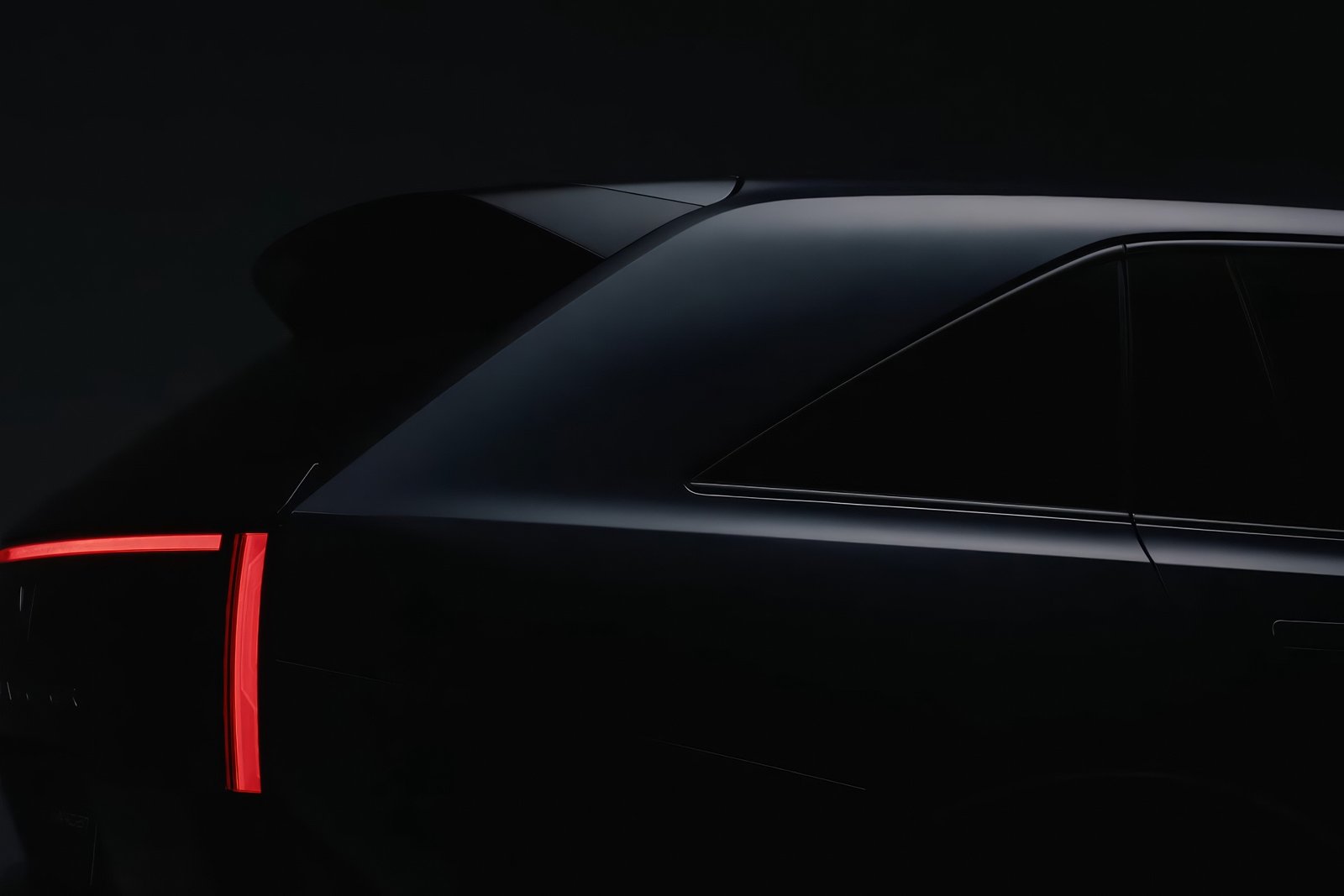
The teaser clips don’t give much away, but they’re telling in what they show. Slim daytime running lights hint at a split headlight design. The rear shows a sloping profile with a sleek light bar featuring vertical L-shaped ends. Most notably, the new H badge appears stripped of the square rim that’s defined Honda’s identity for decades. It’s a subtle move, but in the context of a full model refresh, it signals something: Honda’s rethinking how it presents itself to markets beyond Japan.
The Honda Avancier’s Long and Uneven History
The nameplate itself has a rocky resume. Honda first introduced the Avancier in 1999 as a uniquely styled five-door station wagon for the Japanese market only. That didn’t work. After just four years and lackluster sales, Honda killed it in 2003. The name stayed dormant until 2016, when Honda revived it in China as a flagship SUV positioned above the CR-V, almost exactly like how Volkswagen differentiated the Tayron from the Tiguan. Now, Honda is betting the Avancier can succeed as a three-row, seven-seater hybrid SUV designed to compete across Southeast Asia and the broader global market. The new model should be significantly larger than the CR-V, putting it in direct competition with vehicles like the Hyundai Santa Fe, Nissan X-Trail, Chery Tiggo 9, and the Volkswagen Tayron.
Next-Generation Hybrid System Gets Its Debut
The real draw here isn’t just the SUV itself. Honda is using the Avancier to introduce its next-generation hybrid powertrain, designed to replace the current e:HEV series-parallel hybrid system. According to autobuzz.my, this new architecture was engineered for better rigidity and lower weight. In testing on a Honda Civic test mule, the new platform shaved off up to 90 kg compared to the current setup. The system also incorporates more efficient electric motors aimed at improving fuel economy, a critical selling point in Southeast Asia where fuel efficiency directly translates to ownership appeal.
Honda hasn’t revealed the specifics of the powertrain’s output or performance figures yet. That information will almost certainly surface when the Avancier gets its full unveiling this November. What’s clear is that Honda is treating this as a reset moment for its hybrid technology across multiple vehicles, using a major new SUV to carry the message to markets where three-row family vehicles dominate the premium segment.
The timing and market focus suggest Honda sees genuine opportunity in ASEAN. Thailand’s automotive manufacturing infrastructure, combined with regional demand for premium seven-seaters, makes it the logical assembly point. And if the Avancier lands in markets like Malaysia, as seems likely given its Thailand base, it enters a competitive set where buyers are already familiar with hybrid technology and actively shopping in the 45,000 to 70,000 dollar range.
The new H badge, the generational leap in hybrid tech, the seven-seat configuration, and the ASEAN focus all point to a strategy that’s more calculated than it might appear from a simple teaser. Honda isn’t just refreshing a nameplate. It’s rebuilding its presence in markets where it hasn’t competed as aggressively in recent years, and it’s doing it with technology that actually matters to buyers in those regions.