Hard Art Moma Ps1: A multigenerational survey of over forty artists traces abstract painting by Black artists in America from 1969 to today.
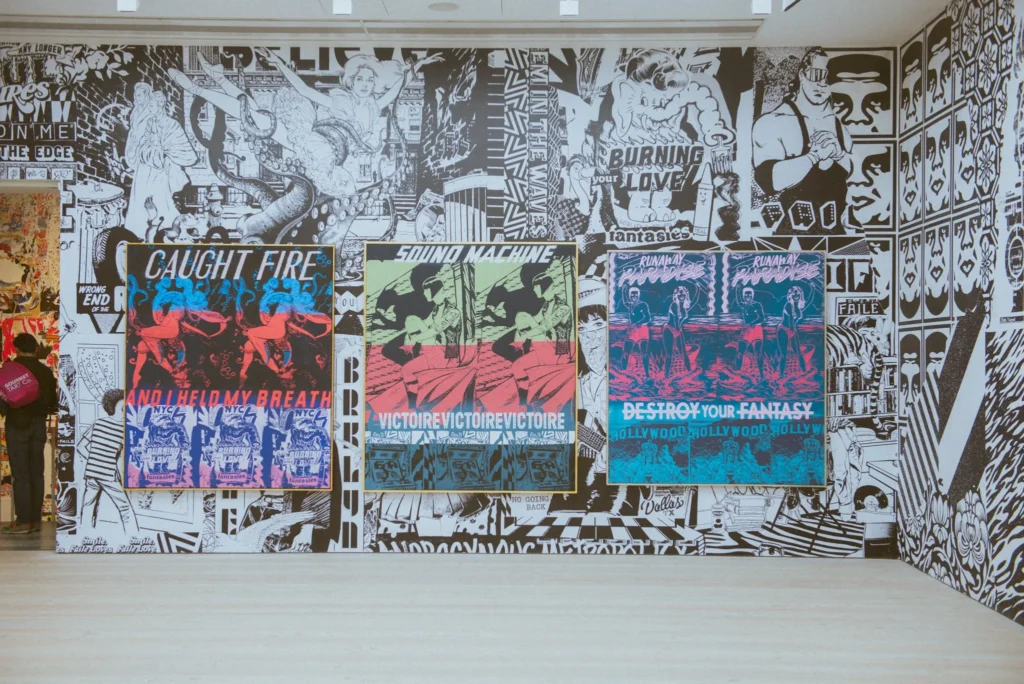
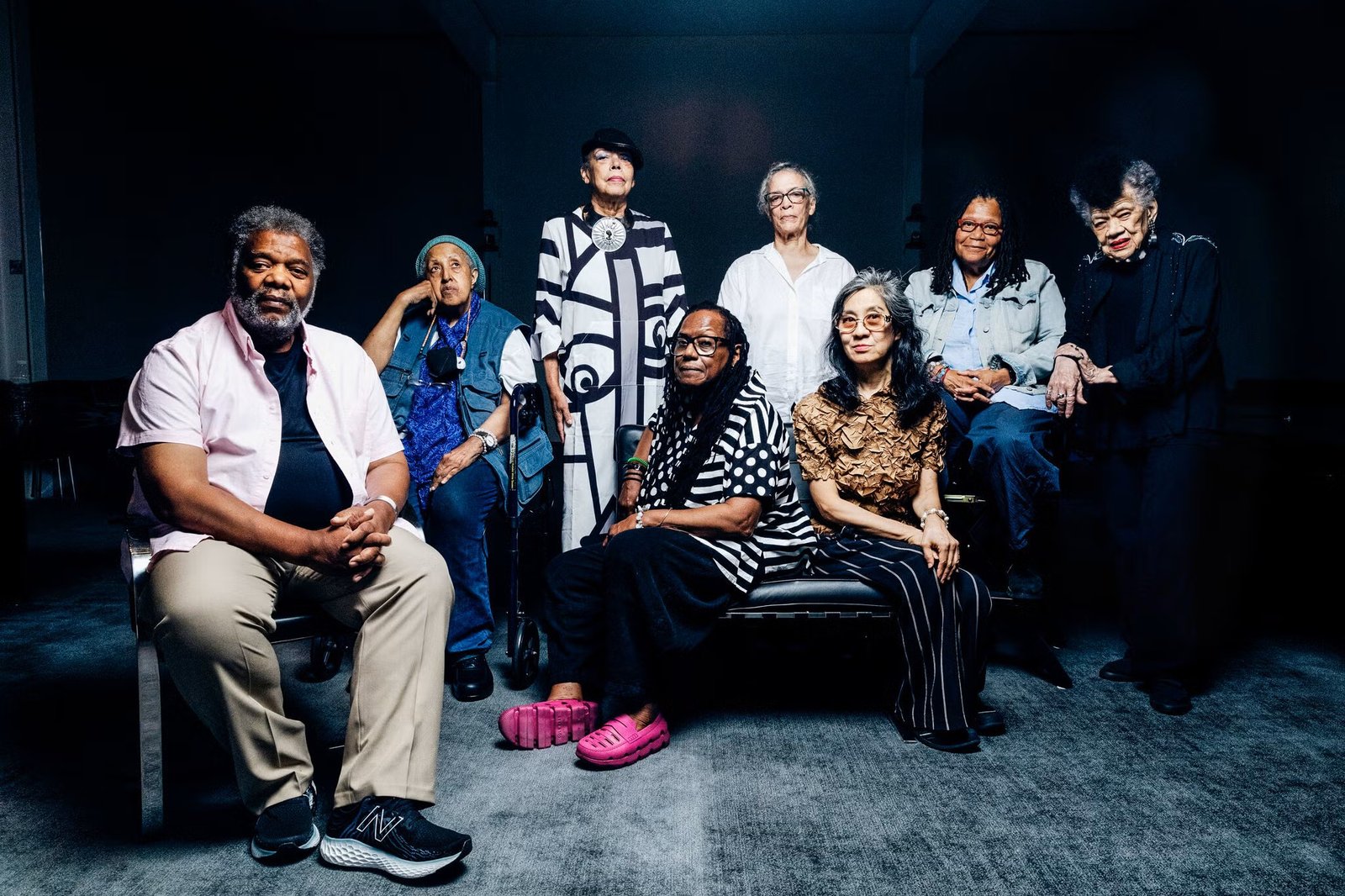
Hard Art opens at MoMA PS1 on November 5 as a landmark exhibition that refuses a comfortable art history. This major survey examines the legacy of abstract painting by Black artists in the United States, spanning from 1969 to the present moment. The show pulls together over forty artists across three generations, a scale and historical reach that positions the Long Island City institution as the stage for a reckoning with abstraction’s true genealogy.
The exhibition arrives at a moment when abstraction still carries the weight of an incomplete conversation. For decades, the narrative has been framed through a narrow lens, one that often erased or minimized the foundational role Black artists played in developing and transforming abstract practice across the second half of the twentieth century. Hard Art refuses that erasure. By concentrating three generations of work under one roof, the show creates a spatial argument about continuity, dialogue, and lineage. What emerges is not a corrective afterthought but a central story.
The span from 1969 onward is deliberate. That year marks a threshold in American cultural life, a moment when conversations about representation, power, and artistic agency began to shift in visible ways. The artists gathered here inherited that moment and built from it, developing vocabularies of abstraction that responded to, resisted, and reimagined what abstraction could contain and express. Over forty artists means the exhibition resists the trap of tokenism through sheer abundance and diversity of approach. The work ranges across mediums, sensibilities, and historical moments, united not by a singular aesthetic but by the fact of Black artistic vision moving through abstract practice.
MoMA PS1, located in Queens and historically positioned as the institution’s laboratory for experimental and historically marginalized work, emerges as precisely the right venue for this survey. The building itself has a history of hosting exhibitions that challenge canonical narratives. By siting Hard Art here rather than in Manhattan’s flagship MoMA building, the curatorial choice affirms that this is not a supplementary gesture but a central exhibition deserving the full apparatus of institutional support. The PS1 space, with its raw industrial architecture and capacious galleries, suits work that often demands room to breathe and surfaces to speak against and with one another.
The exhibition’s scope across three generations creates generational conversation embedded in the architecture of the show itself. First-generation artists who emerged in the late 1960s and 1970s, those who consolidated and expanded practice through the 1980s and 1990s, and contemporary artists working today occupy the same conceptual and physical space. This layering allows visitors to trace not just individual artistic evolution but the ways artistic vision has been transmitted, transformed, and reinvented across decades. The historical depth demands that viewers sit with the longevity of this practice, with the fact that Black abstractionists have been thinking through color, form, gesture, and composition for more than fifty years.
Hard Art’s November 5 opening comes as New York’s visual culture enters its season of major institutional presentations. Museums across the city have timed significant exhibitions to coincide, creating a moment of heightened visibility for contemporary and historical work. In this context, Hard Art’s arrival at PS1 reads as a statement about which stories the city’s leading institutions have decided merit prominence and resources. The exhibition joins a cultural calendar that includes other substantial surveys at major venues, yet it occupies a singular position as the extended, multigenerational examination of a lineage often treated as marginal or emergent rather than foundational.
The inclusion of archival material and reconstructions alongside contemporary work suggests a curatorial approach attentive to how artistic practice is documented, preserved, and transmitted. Archives often tell stories that individual works cannot, revealing the conversations, collaborations, and contexts that shaped artistic production. By incorporating this material, the exhibition acknowledges that understanding these artists requires engaging not just finished works but the deeper substrate of their practice.
Hard Art’s November 5 opening comes as New York’s visual culture enters its season of major institutional presentations. Museums across the city have timed significant exhibitions to coincide, creating a moment of heightened visibility for contemporary and historical work. In this context, Hard Art’s arrival at PS1 reads as a statement about which stories the city’s leading institutions have decided merit prominence and resources. The exhibition joins a cultural calendar that includes other substantial surveys at major venues, yet it occupies a singular position as the extended, multigenerational examination of a lineage often treated as marginal or emergent rather than foundational.
Sources: visualatelier8.com, musa.guide