Grand Prix D’Horlogerie De GenèVe: Eighty-four watches and clocks from fifty-five brands compete for the Aiguille d’Or at Geneva’s most prestigious watchmaking awards ceremony on November 7.
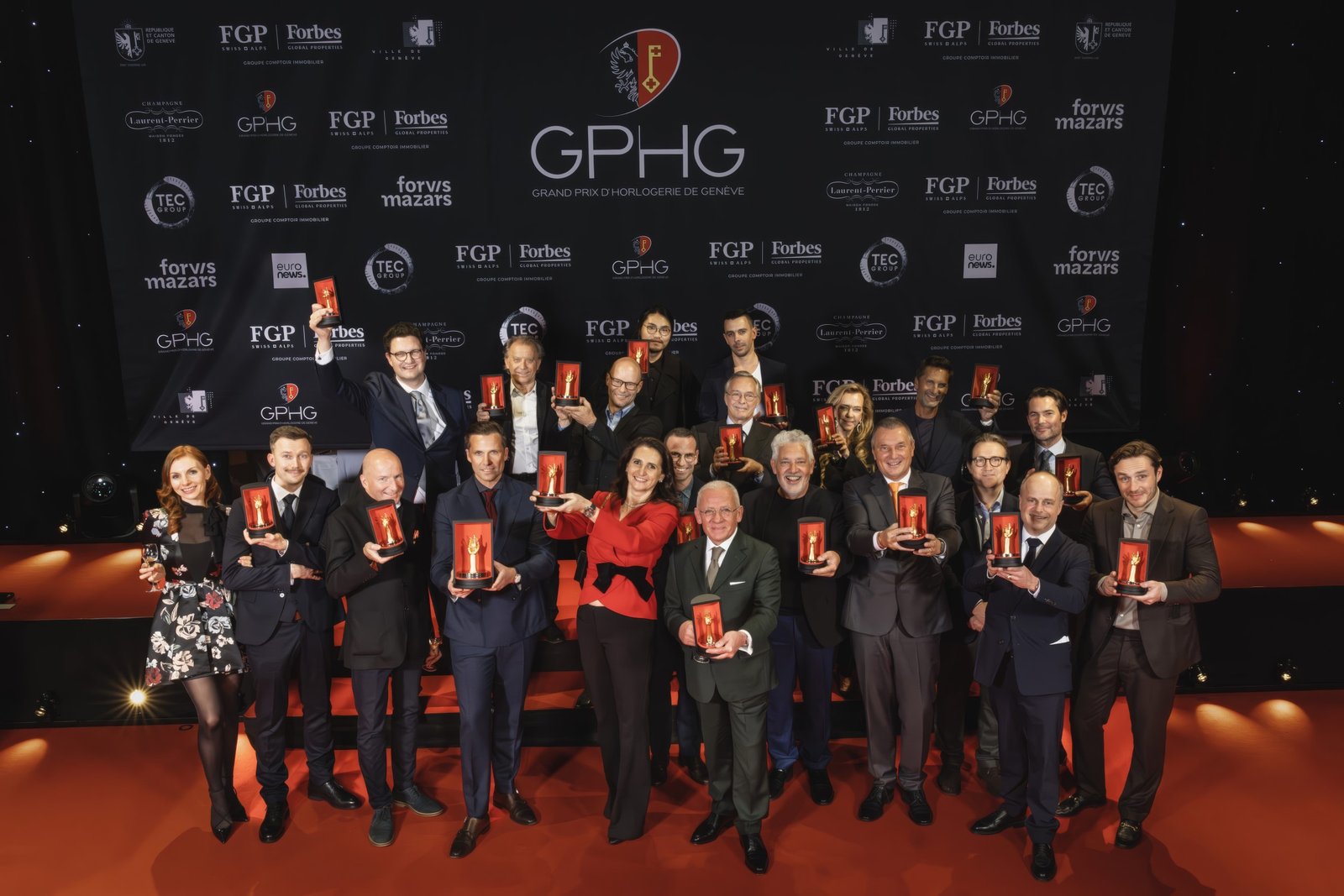
On November 7, Geneva’s watchmaking establishment will gather at the Musée d’Art et d’Histoire to crown the winners of the 2026 Grand Prix d’Horlogerie de Genève, the industry’s most consequential prize ceremony. The event marks the culmination of an exhibition that opened October 30 and runs through November 15, displaying 78 wristwatches and six mechanical clocks selected from across 55 brands to compete in 20 award categories, including the trophy that matters most in horology: the Aiguille d’Or Grand Prix.
The 84 selected pieces represent a cross section of how contemporary watchmaking thinks about itself right now. They combine mechanical engineering, materials science, design philosophy, and the kind of traditional craftsmanship that still matters in a world of mass production and shortcuts. The exhibition itself functions as something closer to a museum survey than a trade show, which means visitors aren’t looking at watches behind glass in retail contexts but rather examining them as cultural objects alongside contemporary art and historical artifacts. That distinction matters. It positions horology not as a luxury commodity category but as a legitimate field of artistic and technical expression.
The 50-member GPHG Academy selected the competing entries across multiple categories, each intended to recognize different approaches to contemporary watch design and manufacture. The breadth of the competition reflects the fact that watchmaking in 2026 exists across multiple worlds simultaneously: the ultra-traditional, the technically experimental, the restrained, the baroque. What unites them is that they all represent a conscious choice to make mechanical timepieces in an age when no one needs them to tell time.
Grand Prix d’Horlogerie de Genève Sets the Industry Standard
The Musée d’Art et d’Histoire, located at Rue Charles-Galland 2, functions as Geneva’s cultural anchor in a way that matters here. By hosting the exhibition and awards ceremony at a major museum rather than a hotel ballroom or dedicated watch fair venue, the GPHG signals something specific about how it wants the industry understood. This isn’t a trade event. It’s a cultural moment. The museum is open Tuesday through Sunday during the exhibition period, with standard hours from 11 am to 6 pm and extended Thursday hours until 9 pm. The traveling show arrives in Geneva after earlier presentations in Mumbai and Bangkok, which suggests the GPHG is intentionally building a global audience for what remains fundamentally a Swiss establishment award.
The decision to present 84 competing pieces in a museum context rather than dispersed across multiple venues or showcased in retail environments creates a particular kind of visual conversation. Visitors can move through the exhibition, compare materials, proportions, and approaches side by side, understand the range of decisions being made about what a watch should be right now. The exhibitions also includes guided tours, conferences, and cultural programming aimed at different age groups, which expands the reach beyond the traditional collector and industry audience.
What the Aiguille d’Or Actually Signifies
The Aiguille d’Or, or Golden Needle, remains the most prestigious award in watchmaking, the closest thing the industry has to an Oscar. Winning it changes how a brand positions itself for the next several years. It becomes a marketing asset, a legitimacy marker, something that appears in every press release and brand narrative. But the award also reflects genuine peer assessment. The GPHG Academy members are watchmakers, designers, journalists, and curators who understand the technical and aesthetic arguments being made. A win means other serious people in the field believe you’ve done something meaningful.
The 2026 competition brings together watches competing across the industry’s current preoccupations: independent micro brands challenging the Swiss establishment; traditional manufacture defending its relevance; experimental materials and techniques; neo-vintage aesthetics that reference but don’t simply copy the past. Twenty different awards means the GPHG spreads recognition across multiple approaches rather than privileging a single vision of what contemporary watchmaking should be.
Geneva itself remains the symbolic center of watchmaking culture, even as actual manufacture has shifted and dispersed. The city’s identity as a luxury hub, its concentration of watch industry presence, and its standing as an international destination make it the obvious location for the GPHG ceremony. For visitors traveling to the awards, Geneva Airport serves as the principal aviation gateway, with connections throughout Europe and beyond. The city’s transport network, including Genève-Cornavin railway station, connects with Lausanne, Bern, Zurich, and international services to Lyon and Paris, making it accessible for the international audience the GPHG attracts.
The exhibition and awards represent a particular moment in watchmaking, one where the field remains vital and contested despite economic headwinds affecting the broader luxury sector. Eighty-four pieces across 55 brands suggests robust participation and diverse perspectives on what a watch can be. The Aiguille d’Or winner announced on November 7 will become part of watchmaking history in a way that almost no other prize in the industry can claim.