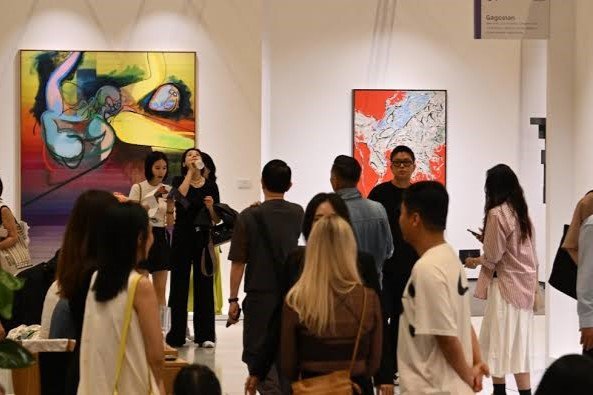
When Frieze Seoul wrapped its fifth edition, the symbolism landed harder than any press release could convey. A homegrown collective, Yagwang, claimed the artist award at a fair that had swelled to 130 galleries representing 30 countries. The decision wasn’t some token nod to local pride; it was a quiet statement about where power has shifted in the contemporary art ecosystem. Seoul isn’t hosting a fair anymore. It’s become a destination that shapes taste, moves capital, and demands the world’s attention on its own terms.
The momentum is real and rooted in something concrete. Fifteen years ago, Seoul was still learning to speak the language of global contemporary art. Today it speaks it fluently enough to set the terms. Yagwang’s win reflects a broader shift: the city’s galleries, collectors, and artists have stopped asking permission to be relevant. The fair’s scale, 130 galleries, three decades of representation, mirrors a market that has matured past novelty. This is infrastructure. This is infrastructure with teeth.
What makes Yagwang’s recognition significant is the specificity it carries. They’re not a legacy studio or a blue-chip gallery’s pet project. They’re a Seoul-based collective operating in an art world that still carries phantom weight toward New York, London, and Los Angeles. That the highest honor went to them signals something the numbers alone already suggested: Seoul has stopped being the new market everyone’s curious about. It’s become a primary market. The Frieze platform, which moves collectors and shapes institutional attention, just ratified what local artists and gallerists have known for a minute.
The fifth edition landing this particular victory doesn’t read as milestone-chasing or as a feel-good gesture toward diversity in the art world. Instead, Frieze Seoul‘s recognition of Yagwang crystallizes what’s been building for years: Seoul has moved from aspiration to authority, from emerging market to essential destination. The fair’s 130 galleries and three-decade geographic span aren’t decoration, they’re evidence that the city has earned its seat not just at the table, but at the head of it.