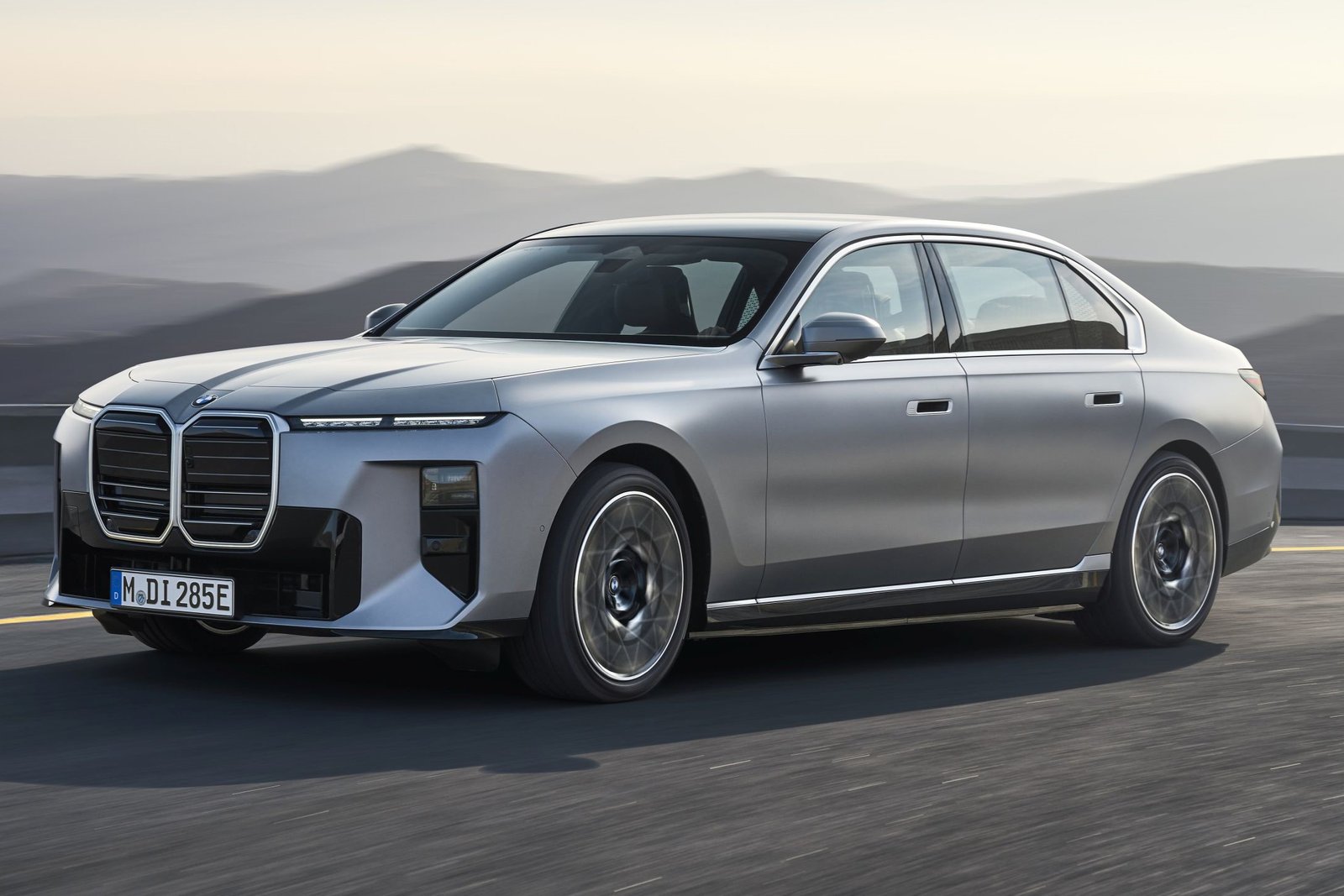
Bmw 7 Series And I7: The refreshed flagship sedan arrives with a sprawling 17.9-inch screen, AI-powered cabin features, and a 680-hp electric M variant that rewrites what luxury looks like.
BMW is dropping the updated 7 Series and i7 on September 11, and the refresh signals a decisive shift toward what the brand calls “digitalized luxury.” The headline spec screams new: a 17.9-inch curved display dominates the dashboard, paired with what BMW describes as Panoramic Vision technology. That’s code for a cabin that feels less like a car interior and more like a command center. For those tracking the electric play, the i7 M70 arrives packing 680 horsepower, positioning it as a serious answer to the Tesla Model S Plaid crowd and the Mercedes-EQS AMG.
The design overhaul isn’t just screen real estate. BMW has retooled the exterior proportions, refined the grille language (yes, still a kidney shape, but finessed), and integrated the lighting design into what feels like a more cohesive gesture. Inside, the panoramic display doesn’t just show navigation and infotainment; it’s built to handle gesture control and haptic feedback, meaning you’re interacting with the car through touch and motion rather than buttons. For a sedan that starts in six figures, that’s table stakes, but the execution matters. The electric i7 M70 gets its own visual identity, with subtle aerodynamic tweaks and a unique interior trim strategy that separates it from the combustion-engine 7.
The detail most people will miss: the cabin is engineered as a single integrated digital ecosystem. The Panoramic Vision setup doesn’t work in isolation. It’s connected to the climate control, seat massage, ambient lighting, and even the door speaker array. BMW is leaning hard into an idea that luxury in 2026 isn’t about materials alone; it’s about how every system in the car communicates with you. With the BMW 7 Series and i7 arriving September 11, that integration signals the brand’s decisive pivot toward digitalized luxury.