
Sports maximalism meets high-fashion in the collab drop of the summer.
When Soccer Met the Runway
The Adidas x Willy Chavarria Megaride arrived this summer as the sneaker nobody knew they needed. Chavarria, the New York-based designer celebrated for his maximalist approach and bold gender-fluid aesthetics, partnered with Adidas to reimagine the classic World Cup silhouette. The result wasn’t a straightforward retro re-release; it was a full-throated declaration that performance footwear could be haute couture, that a shoe born on the pitch could own the streets without apology.
The collab tapped into something deeper than nostalgia. It recognized that today’s culture doesn’t distinguish between athletic heritage and fashion statement. A kid copping these in Brooklyn or Berlin isn’t choosing between sportswear and style. They’re buying both at once, integrated into a single object.
Design Maximalism in Motion
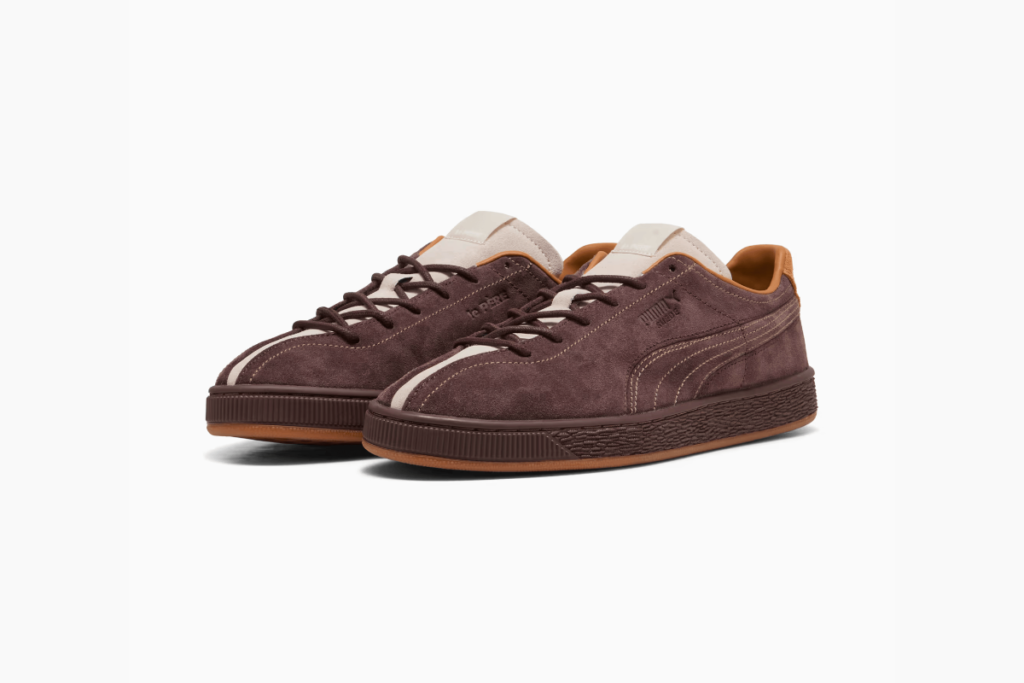
Chavarria stripped the Megaride down to its DNA, then rebuilt it with theatrical flair. Oversized proportions, exaggerated padding at the collar and heel, and a color palette that moved beyond traditional soccer branding marked the shoe as something other. Where typical Adidas collabs might add a logo or limited-edition colorway, Chavarria restructured the entire visual language of the shoe. The profile feels almost unwieldy at first glance, then magnetic once you see it in person.
The construction embraced technical innovation while wearing it proudly on the surface. Visible stitching, textural contrasts between materials, and a chunky midsole that reads as intentional rather than outdated gave the shoe visual weight and presence. Chavarria’s signature move, the kind of detail that makes fashion people stop scrolling, appeared in the lining and tongue branding: intricate graphic work that rewarded close inspection.
The Summer Everyone Was Waiting For
Release timing proved crucial. The drop landed amid peak sneaker season, when hype cycles spiral and resale becomes inevitable. But this wasn’t a limited SNKRS lottery or a random shock release. Adidas gave it space, treated it like a fashion event rather than a sneaker drop. Retailers carried it. Influencers weren’t the only ones who got access. This was democratized hype, the kind that builds slower but sticks longer.
Street style photographers caught the shoe immediately. The chunky silhouette played well in editorial spreads, looked strong with baggy trousers and oversized outerwear. Fashion-forward athletes wore them off-court. Designers who’d never publicly discussed sneakers started referencing them in interviews. The Megaride became shorthand for a specific cultural moment: when performance and fashion stopped pretending to be separate conversations.
What This Means for Collaborative Futures
The Megaride’s success signals a shift in how legacy athletic brands approach designer collaboration. Rather than ticking a box with a limited-edition colorway, Adidas gave Chavarria real creative agency. The result feels authored rather than cosmetic. Other brands are watching. The sneaker world has moved past the era where a famous name slapped on a classic shoe constituted a collab.
Chavarria’s background in challenging convention, his refusal to play it safe with design, elevated the entire premise. He wasn’t interested in making the Megaride more palatable. He made it more interesting, which turned out to be the same thing in the eyes of culture.
The Culture Shift Nobody Saw Coming
What matters most isn’t the sales numbers or resale prices, though both were strong. What matters is that a designer whose work challenges gender norms and questions fashion orthodoxy got handed one of Adidas’s most iconic silhouettes and was trusted to reinvent it. Young consumers, the ones who grew up with gender-fluid fashion as default rather than transgression, saw themselves in the shoe. It didn’t feel like a designer playing dress-up with sports heritage. It felt like the natural evolution of how we dress now.
The Megaride proved that maximalism works when it’s backed by coherent vision. Chavarria didn’t overcomplicate the shoe with arbitrary details. Every visual choice served his aesthetic philosophy. That restraint within boldness, that clarity of vision, is what separated this from trend-chasing noise.