The high-end Japanese restaurant group opens its first California outpost in San Diego, signaling a genuine shift in where the money and taste are moving.
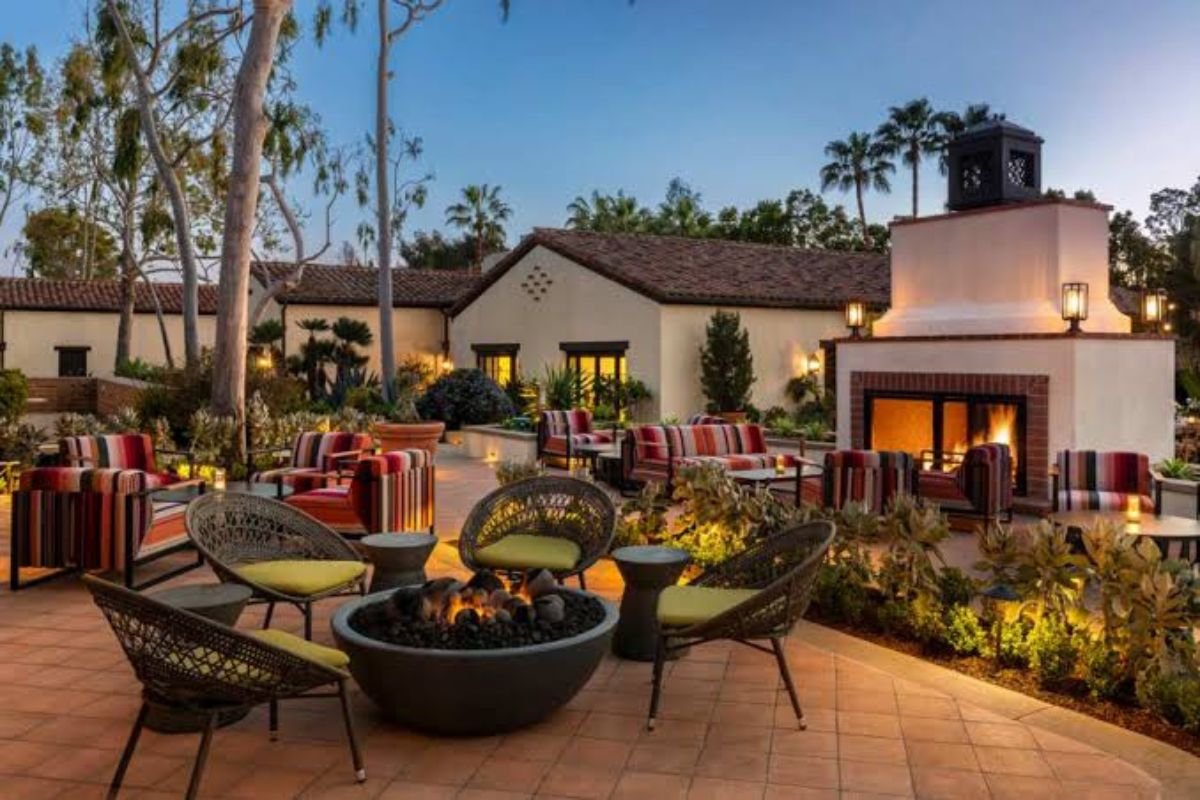
Zuma doesn’t do obvious. The London-born izakaya empire, which already operates in New York, Miami, Las Vegas, and Dubai, just chose San Diego over Los Angeles for its California flagship. That’s not a small decision. It’s a declaration that the city’s fine-dining infrastructure has matured past the point of needing LA’s gravitational pull, and that downtown San Diego, specifically inside the Guild Hotel, represents something worth betting serious capital on.
The move cuts through the usual coastal hierarchy. For decades, fine dining in California meant SF or LA as the only legitimate markets worth national brands’ attention. San Diego got tacos and fish, not $200 tasting menus. But the Guild, a historic downtown property that’s become a cultural and design destination in its own right, offers something neither LA nor SF can currently provide: a blank slate inside a respected venue where restaurant, hotel, and cultural programming converge. Zuma’s signature formula, high-end Japanese technique married to high-touch service and craft cocktails, lands differently in a market that hasn’t been oversaturated by the same formula.
This is also a direct signal about where the post-pandemic money is flowing. San Diego’s tech and biotech sectors have quietly consolidated wealth over the last five years. The city’s restaurant scene has matured into something that can actually support a restaurant with this price point and prestige without the built-in tourism crutch. A luxury izakaya needs not just wealthy diners, but culturally engaged ones who won’t balk at premium pricing for authenticity and execution. The fact that Zuma’s leadership identified San Diego over a dozen other potential markets suggests they see that audience consolidating here now.
The real test isn’t whether Zuma succeeds, a brand with this pedigree rarely fails at execution. The question is what other global fine-dining operators watch this opening and decide to stop waiting for LA or SF to make room for them.