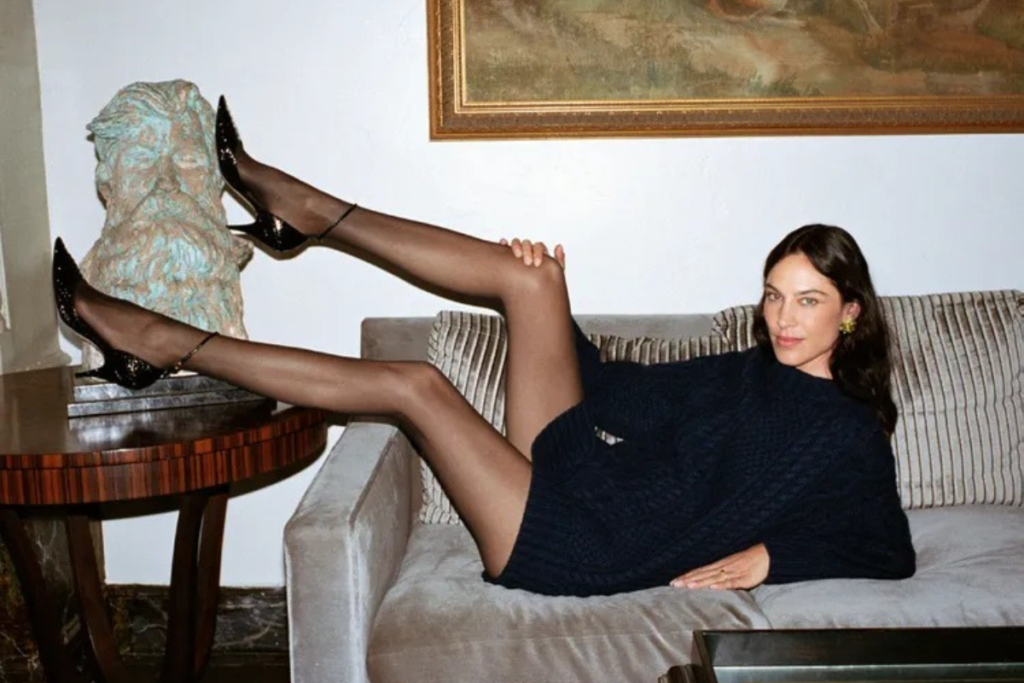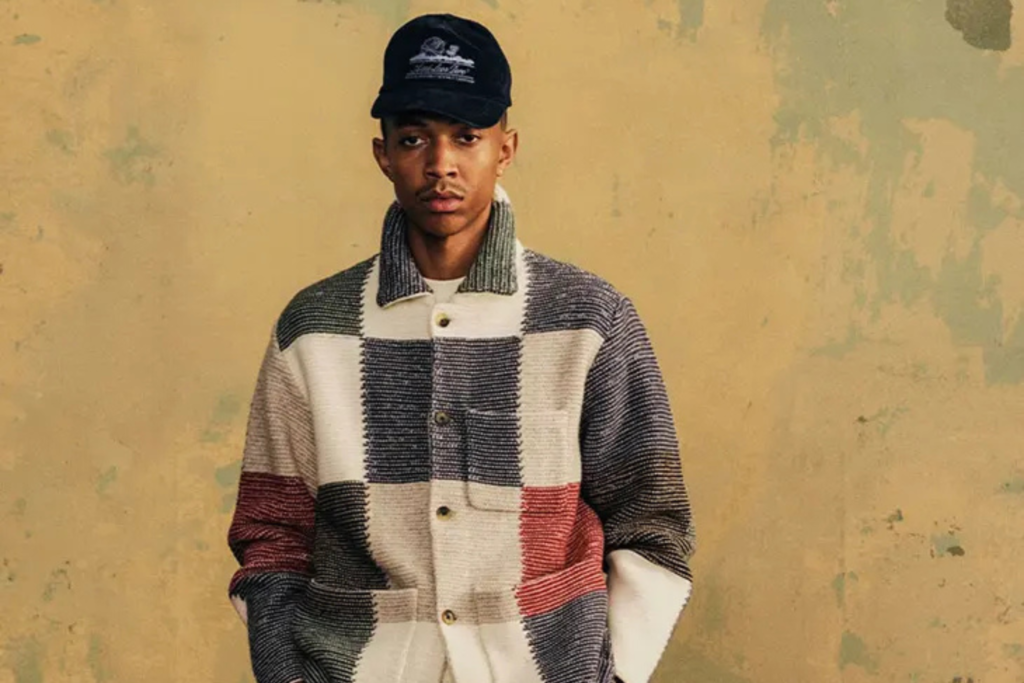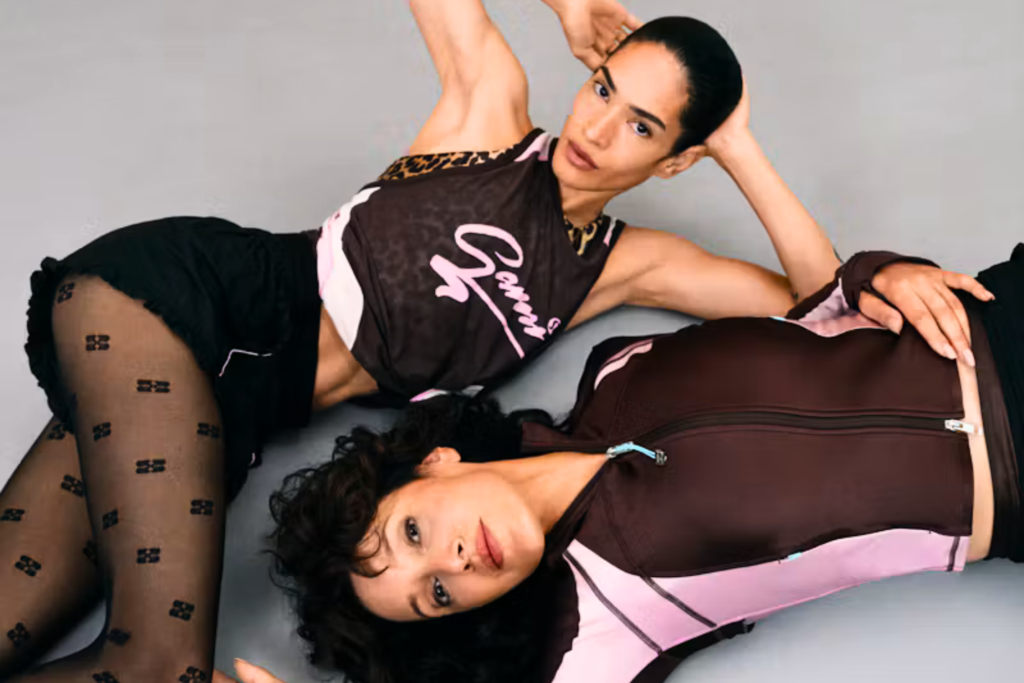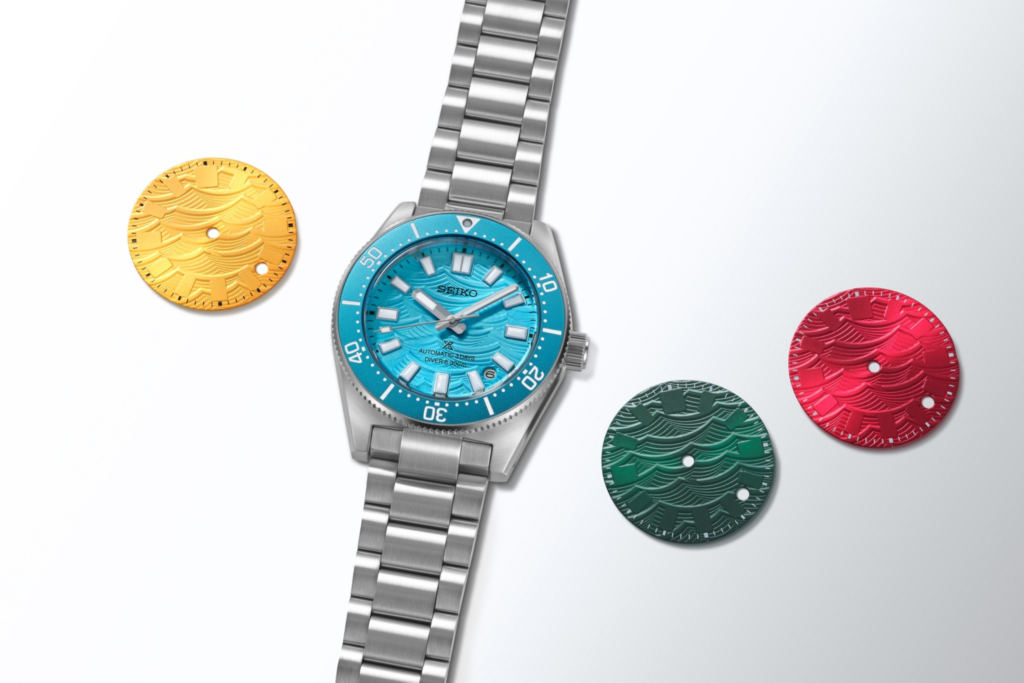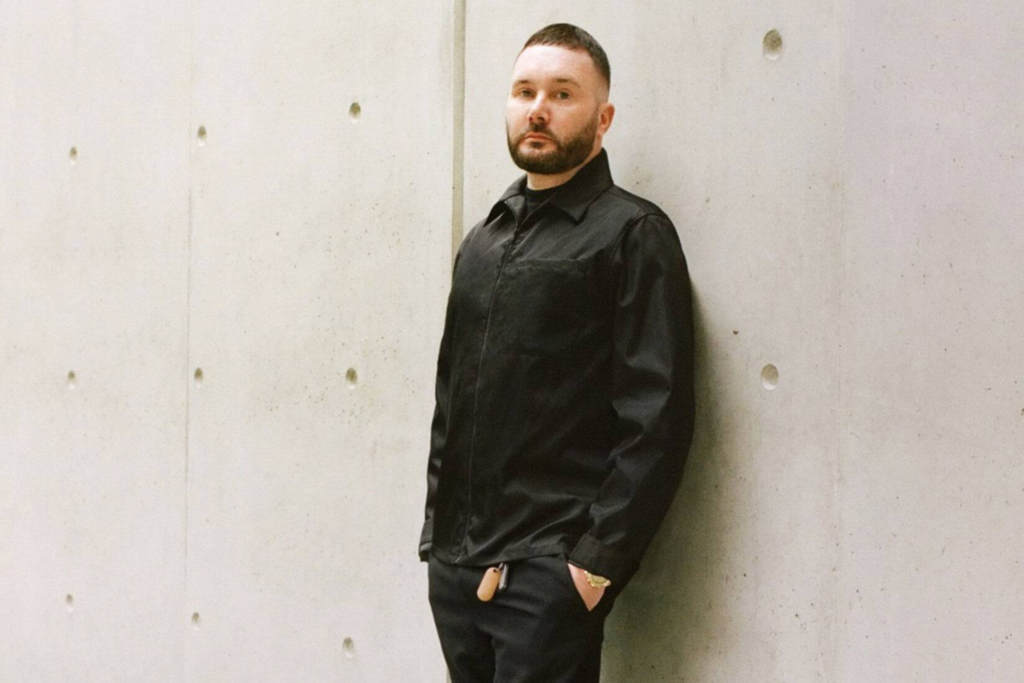
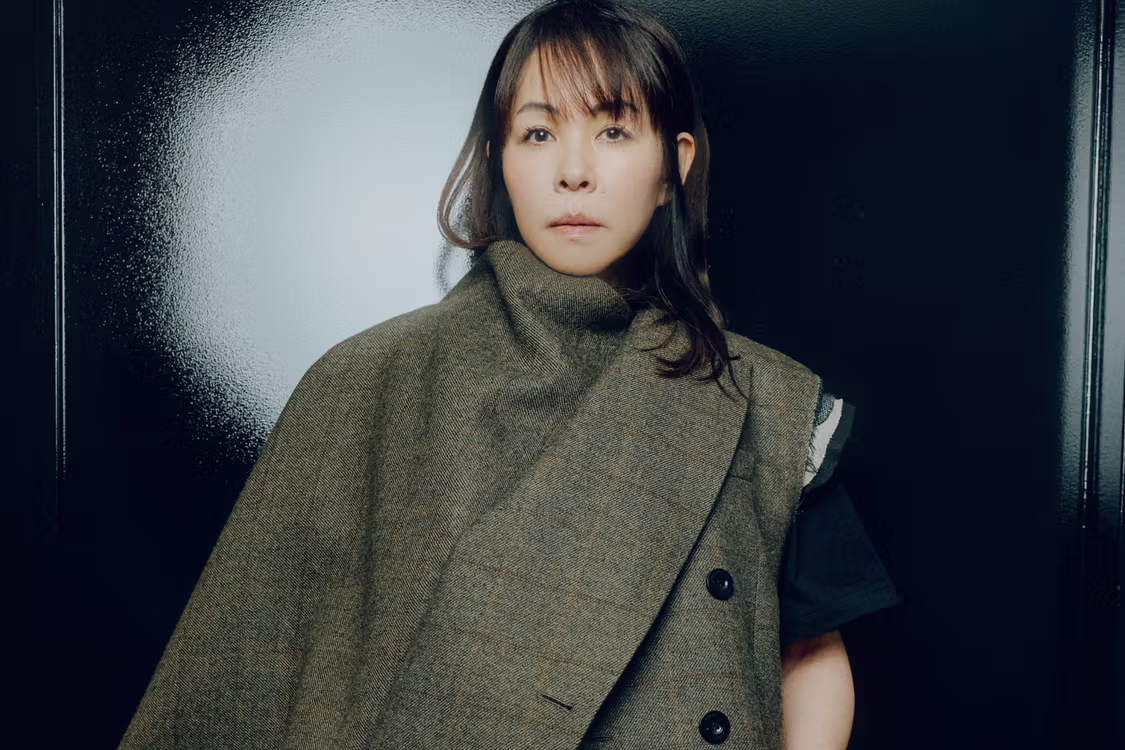
In a year dominated by upheaval and reinvention, Abe proved that clarity and conviction can speak louder than constant change.
Fashion’s Loudest Year Meets Quiet Authority
The fashion industry entered 2025 in a state of near constant motion. Creative directors shuffled between houses, debuts arrived back to back, and conversation often moved faster than the collections themselves. Amid the noise, analysis and speculation frequently eclipsed the clothes, leaving a lingering question behind it all: what truly defines excellence in a moment of reinvention. Prestige, profit and cultural visibility all competed for relevance, but the year ultimately revealed how rare it is for a designer to remain grounded while the industry around them resets.
For Chitose Abe, this turbulence was never the point of focus. Over more than two decades, she has built sacai with patience and independence, refining a design language that evolves without losing coherence. While others chased novelty, Abe continued to sharpen her vision, allowing the work to speak through construction, proportion and intent rather than spectacle.
Hybrid Language in Full Focus
Abe’s approach has always lived in the space between categories. Her hybrid design philosophy balances tradition and experimentation without collapsing either, creating garments that feel both familiar and unexpected. In 2025, sacai returned to its foundations with collections that felt meditative yet precise, reinforcing the strength of its core codes. The silhouettes were recognizable, but newly focused, a reminder that evolution does not require erasure.
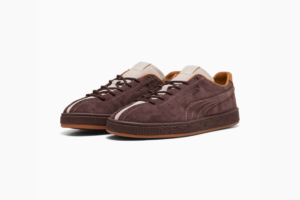
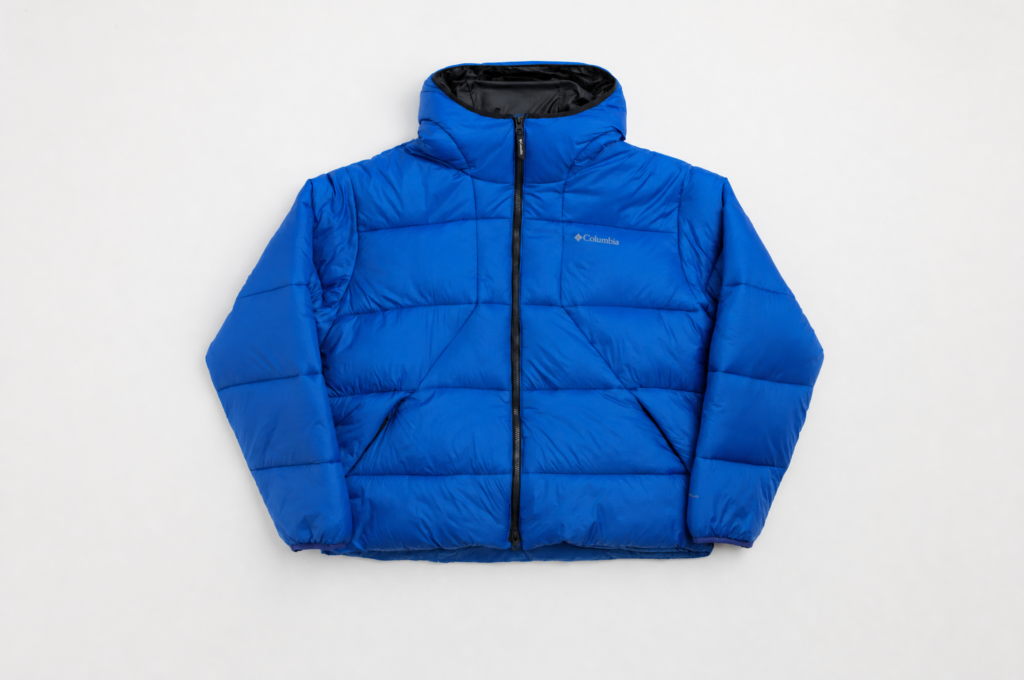
That clarity extended into a series of collaborations that highlighted sacai’s adaptability across apparel, footwear and culture. Projects with WTAPS, Nike, Levi’s, UGG and Carhartt did not rely on hype but on thoughtful dialogue between identities. Each collaboration preserved sacai’s sensibility, using familiar forms as a starting point for subtle reinvention rather than loud disruption. Even ventures beyond fashion, from collectibles to music adjacent spaces, carried the same restraint, reinforcing Abe’s instinct to participate without being defined by the moment.
Instinct as a Long Term Strategy
At the center of Abe’s work is intuition. She designs only what she believes in and what she would wear herself, trusting that honesty to resonate with others. This commitment to instinct over trend has shaped sacai into a brand that rewards attention and curiosity, inviting wearers into a slower, more considered relationship with clothing. The result is work that feels lived in rather than performed, offering confidence without theatrics.
As fashion continues to cycle through reinvention, Abe’s consistency stands out as its own form of progress. sacai no longer needs to announce itself to be understood. Its language is clear, its purpose intact, and its future open ended. In a year defined by change, Chitose Abe became its defining designer by staying true to the work itself.