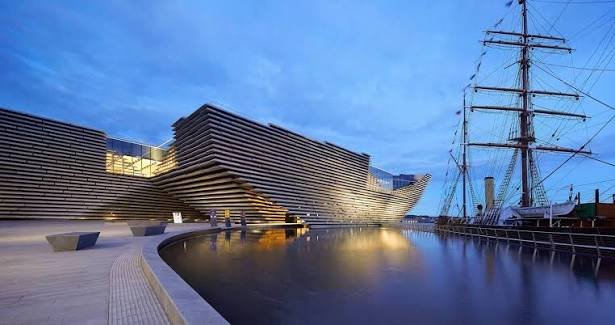
A new exhibition spotlights how the world’s most celebrated architects are designing spaces that heal.
Zaha Hadid designed buildings that seemed to defy gravity. Norman Foster built monuments to innovation and corporate power. At V&A Dundee’s new exhibition, both architects appear under an entirely different light: not as form-makers chasing prestige, but as humanists designing for people at their most vulnerable.
“Maggie’s: Architecture That Cares” assembles work from some of the field’s biggest names around a single typology that doesn’t usually command design magazine covers. Maggie’s centres are cancer support spaces, and the architects involved have treated them with the kind of intention typically reserved for flagship museums or corporate headquarters. The result is a curatorial thesis that feels almost radical: that the measure of great architecture isn’t photographs in glossy spreads, but how a room makes you feel when you’re afraid.
This matters because architecture culture has spent decades chasing spectacle. The starchitect era was built on ego and signature forms. Yet here, under one roof in Dundee, you’ll find work where Hadid’s dramatic curves and Foster’s precision engineering serve a purpose beyond themselves. These aren’t experiments in structural possibility or artistic expression. They’re rooms designed to reduce anxiety, to provide dignity, to make suffering less isolating.
The exhibition arrives at a moment when the field is quietly reckoning with what it actually builds for and who. Healthcare design, adaptive spaces, community infrastructure: these are becoming the conversations that matter. Not because they’re trendy, but because they reveal what architecture does when ego steps aside. Maggie’s proved that decades ago. The V&A is finally giving it the stage it deserved all along.