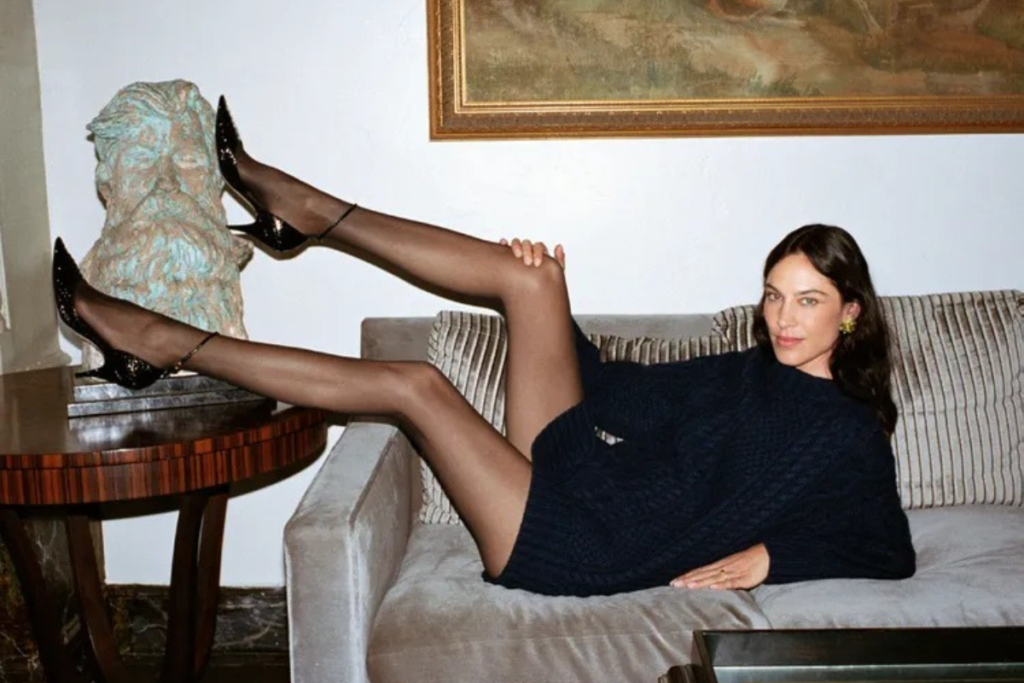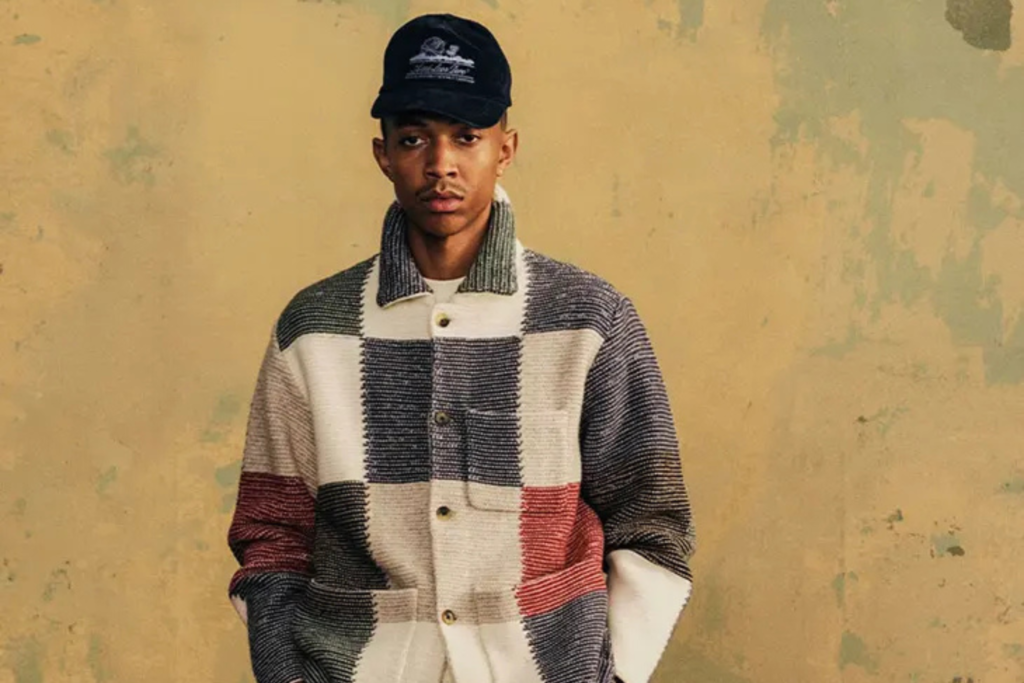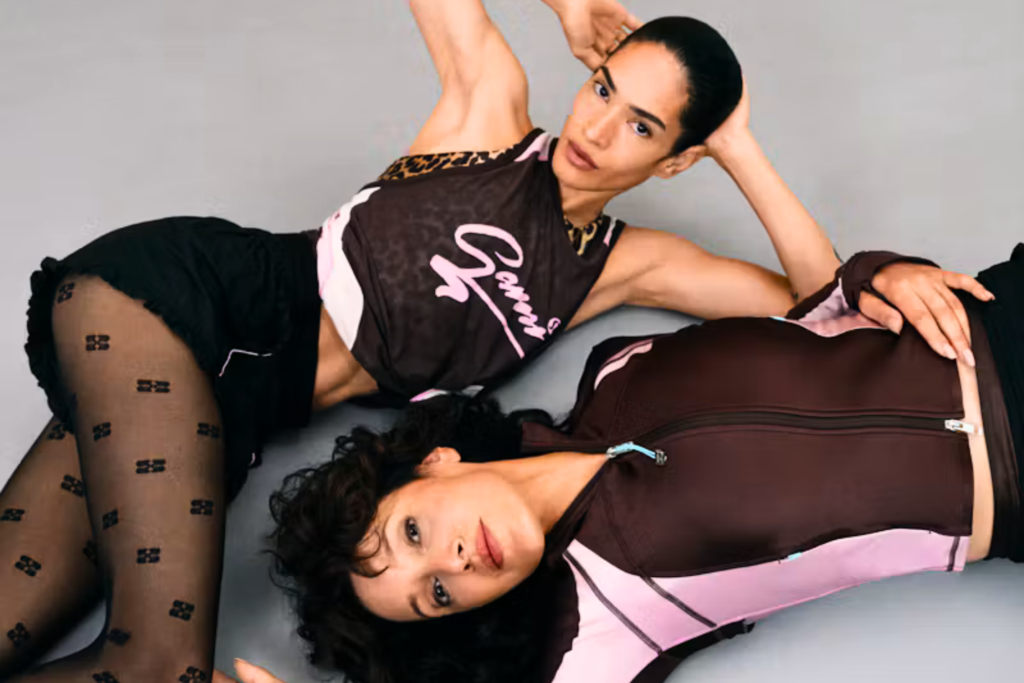
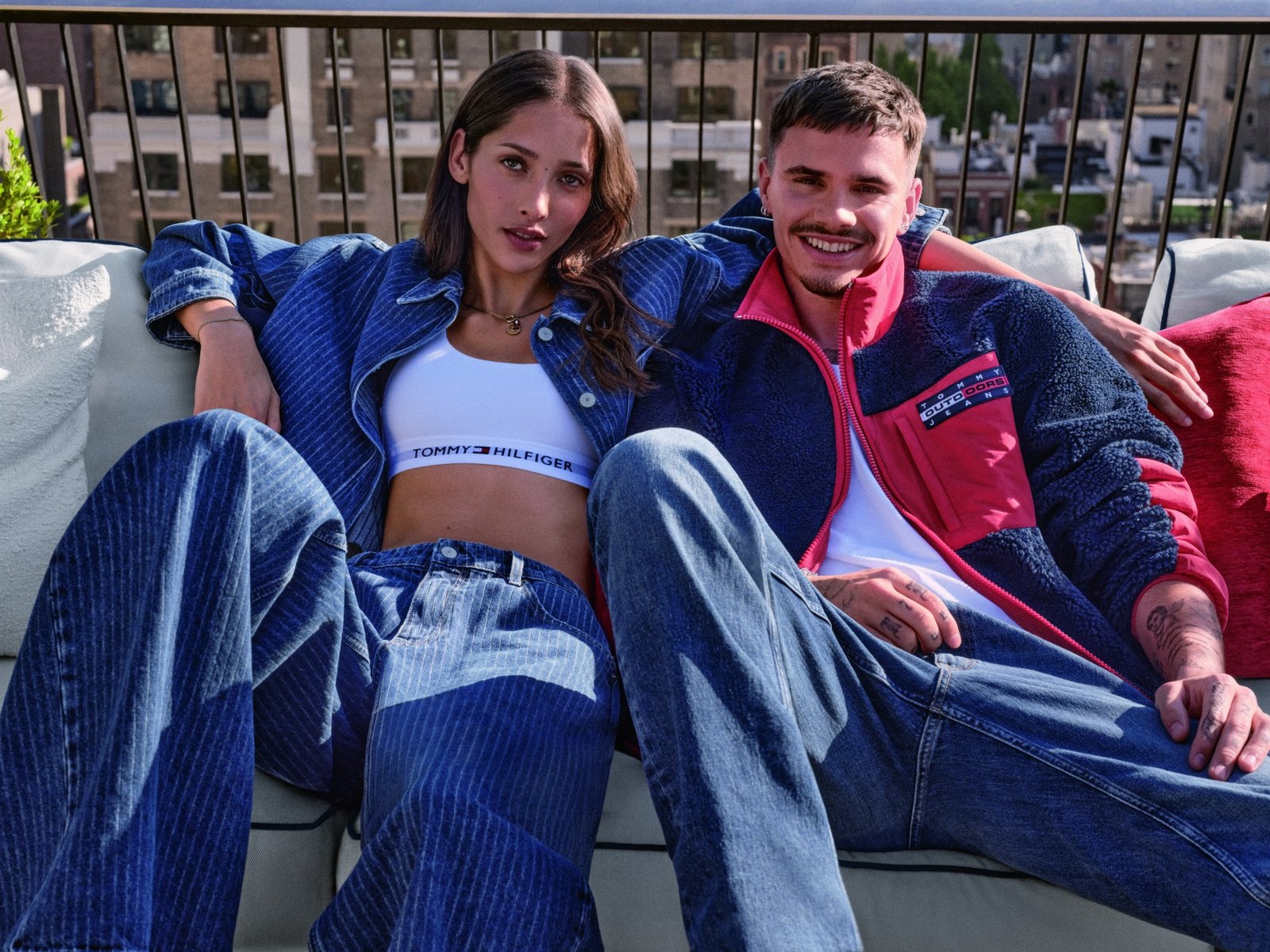
Tommy hilfiger romeo beckham: The ‘Always Denim’ campaign features David’s son and model Yasmin Wijnaldum, but casting a Beckham in 2026 feels less like cultural moment and more like inherited cool.
Tommy Hilfiger just dropped a major bet on generational recency. Romeo Beckham, 22, is the face of the house’s new ‘Always Denim’ campaign, shot at The Mark Hotel in Manhattan alongside model Yasmin Wijnaldum. On paper, it reads like perfect mathematics: second-generation celebrity, inherited cultural capital, a bloodline so famous it practically transcends fashion. The Beckham name has carried weight in streetwear and luxury for two decades now. But there’s something distinctly unsettling about how Hilfiger is reaching for this particular kind of relevance in 2026.
The problem isn’t Romeo himself. He’s a legitimate model with genuine presence and the right kind of low-key aesthetic that actually suits denim storytelling. The problem is what this casting reveals about Hilfiger’s current creative positioning. Tommy spent the 1990s and early 2000s as the American-prep-meets-hip-hop uniform, a brand so culturally wired it didn’t need to justify its cool. It simply existed in the culture. Now, nearly a decade into playing legacy brand, Hilfiger finds itself in the familiar trap: fishing for credibility through association rather than innovation. Casting a Beckham isn’t brand building. It’s brand insurance.
What makes this campaign feel heavier than standard celebrity tie-up is the intentionality of the hotel location and co-star choice. Wijnaldum brings New York model-adjacent cool and a genuine connection to contemporary fashion hierarchy. Paired with Romeo at The Mark, a property that carries serious cultural weight in New York’s luxury and media circles, Hilfiger is staging old money meeting new notoriety. It’s a smart visual strategy. But strategy alone doesn’t generate the kind of organic cultural moment that actually moves denim or dressing. The ‘Always Denim’ message feels like it’s trying to convince us that Tommy’s core product hasn’t aged out of relevance, which is exactly the kind of insecurity that shows through no matter how carefully you art direct the shot.
Whether this works depends entirely on what Hilfiger does next. A single campaign featuring celebrity offspring doesn’t change perception. But if this Romeo moment becomes the template for how the brand chases youth culture going forward, it signals something uncomfortable: that Hilfiger knows how to spend on casting but hasn’t cracked how to be genuinely of the moment anymore. That’s a different kind of crisis than most legacy brands want to admit.