The singer fronts a ’90s-soaked campaign shot as a full music video, proving fashion brands are done separating clothes from culture.
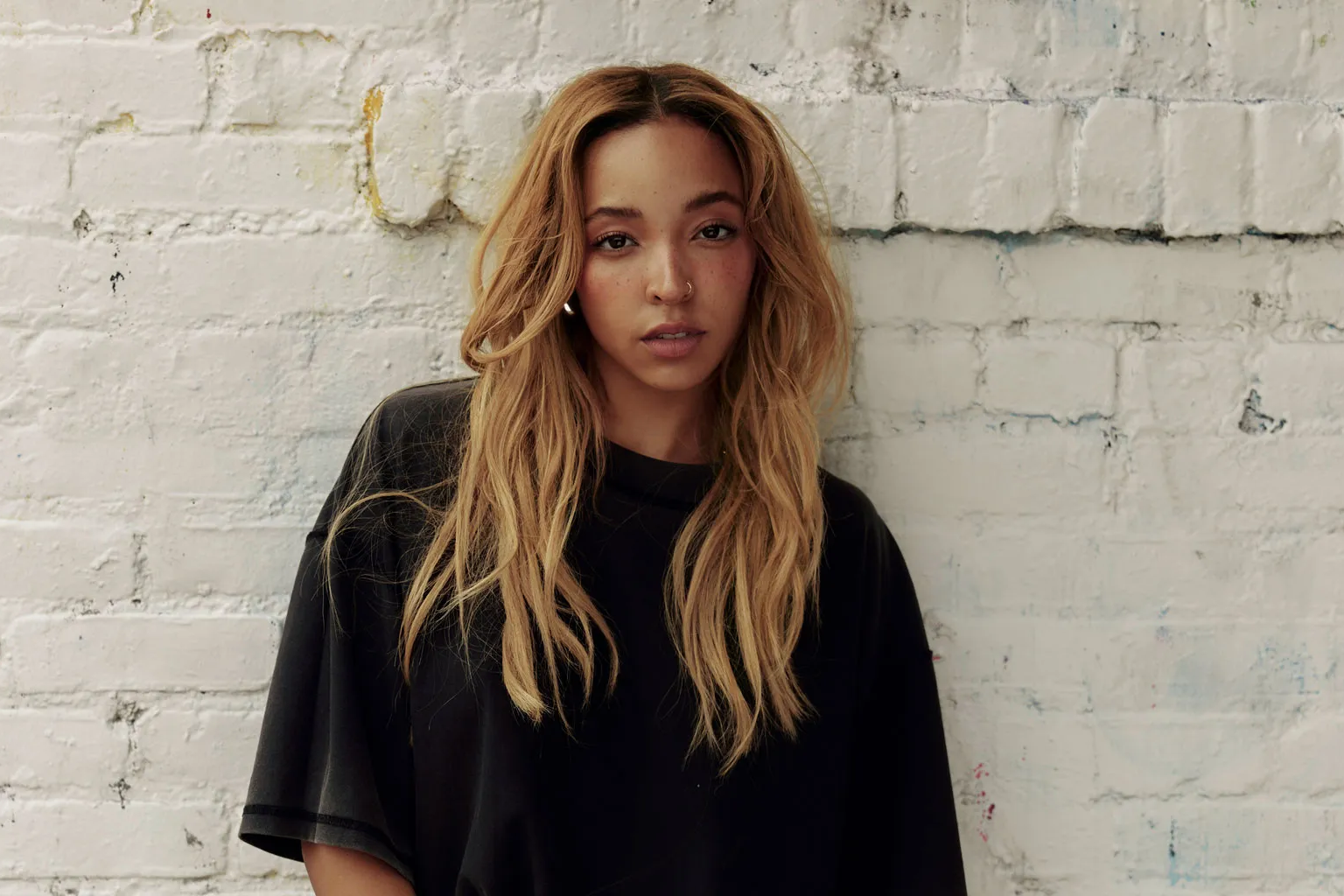
Tinashe is standing in a Beverly Hills mid-century estate in full ’90s costume, and Express isn’t interested in still photography. The brand has tapped the multi-platinum artist to front its Fall 2026 campaign as a full music video, a move that signals something quietly seismic in how luxury and mainstream fashion now courts cultural currency. This isn’t a celebrity endorsement bolted onto a lookbook. It’s a deliberate collapse of boundaries between fashion marketing and the music industry’s visual language.
The campaign leans hard into retro aesthetics, dressing Tinashe in the kind of nostalgic silhouettes that have been creeping back into youth culture for the past two seasons: slouchy tailoring, logomania, textures that feel borrowed from a closet frozen in 1998. By shooting it as a music video rather than stills, Express is betting that Gen Z and younger millennials don’t separate their fashion consumption from their music consumption anymore. They don’t. A campaign that lives on TikTok and YouTube as much as in Instagram Stories has fundamentally different architecture than a print spread.
What’s telling is the choice of artist. Tinashe has built her career partly through independent music releases and creative control, giving her credibility in spaces where authenticity reads differently than it does for artists on major-label mega-cycles. Pairing her with Express, a brand that has spent the last decade recalibrating its identity away from early-2000s mall culture, suggests the retailer is trying to signal that it understands contemporary taste. Whether shooting a music video counts as fashion marketing or music marketing anymore feels like the wrong question. For brands, for artists, and for audiences, it’s just content that works when the execution doesn’t feel like compromise.