Dave Lagos Tour: After 43 shows across three continents, the British rapper brings his most ambitious tour to a close in Nigeria, where the real conversation about diaspora rap is finally happening.
The final night of Dave’s “The Boy Who Played the Harp Tour” isn’t happening in London or New York. It’s happening in Lagos on October 17, and Dave’s Lagos tour decision alone signals something fundamental about where UK rap’s center of gravity has shifted. A 43-show world run that could have wound down anywhere instead chose the city where Afrobeats overtook the global charts, where the energy around hip-hop has turned genuinely continental rather than aspirational. Lagos isn’t the consolation prize at the end of a tour; it’s the only logical place to land.
Dave’s Lagos finale arrives amid a broader moment where UK rappers are no longer treating African dates as secondary markets or goodwill gestures toward their diaspora audience. The scale here matters. This isn’t a mid-sized arena slot or a festival appearance squeezed between European legs. This is the climax of 43 shows, the deliberate punctuation mark on a campaign that has threaded through Europe, North America, and Asia with the precision of someone charting a very specific cultural argument. By making Lagos the endpoint rather than a pit stop, Dave is positioning Nigeria not as peripheral to his world tour but as its proper destination, the place where the narrative actually resolves.
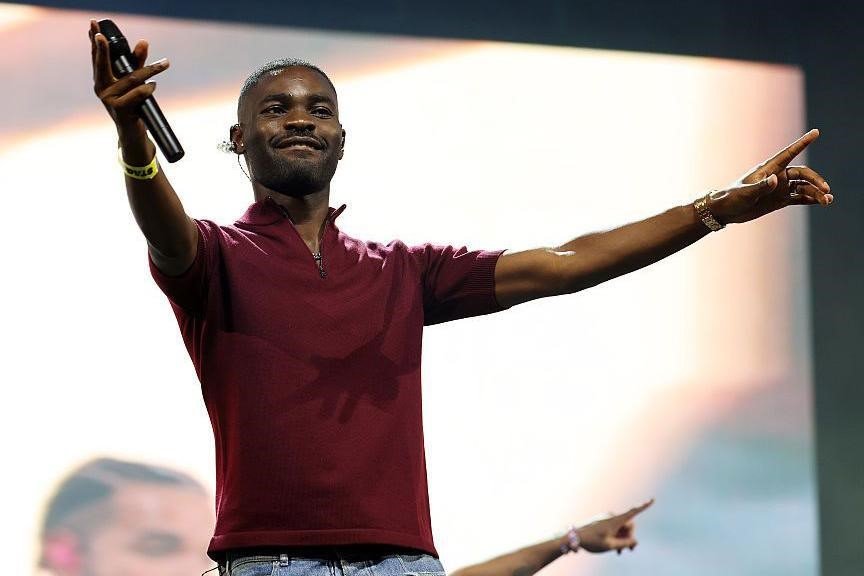
The performance itself will represent something worth watching closely: a UK rapper at maximum ambition, armed with his most introspective and lyrically dense work, playing to a crowd that has its own uncompromising relationship with hip-hop storytelling. Lagos audiences don’t defer to London’s taste or New York’s gatekeeping. They respond to authenticity and technical precision in ways that feel closer to how Dave actually operates as an artist. This Dave Lagos tour finale crystallizes a larger truth: UK rap’s future isn’t determined by its past institutions anymore, but by its willingness to recognize where the cultural energy actually lives.