Cold gas thrusters from SpaceX might actually make the next-generation electric supercar levitate, and Elon just proved he’s not done pushing physics.
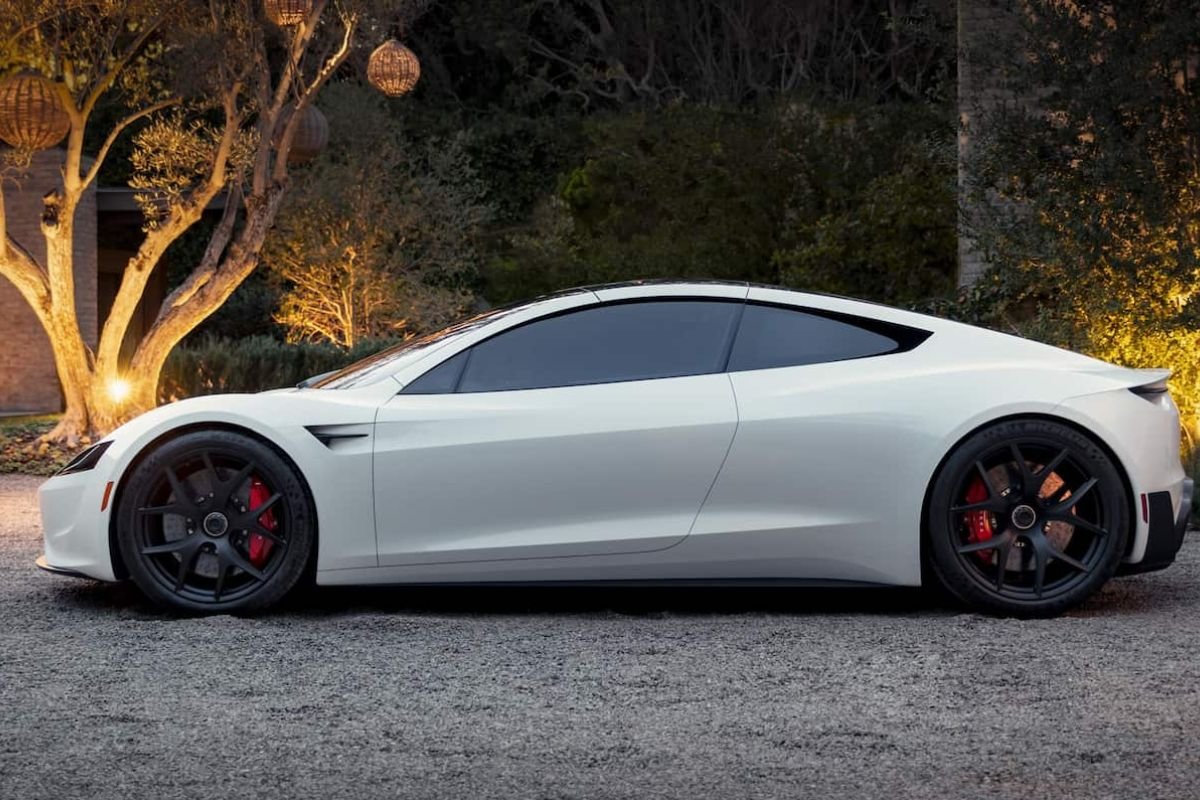
The 2025 Tesla Roadster isn’t just another electric car reveal. It’s a flex so unhinged that even by Elon Musk standards, it reads like science fiction masquerading as automotive spec sheet. The centerpiece is the optional SpaceX package, which adds cold gas thrusters that could literally make the car hover. Not jump. Not accelerate vertically. Hover. A production vehicle that defies gravity isn’t a feature, it’s a statement that traditional car design has officially become boring.
The thrusters are borrowed directly from SpaceX’s space technology playbook, the same propulsion logic used for spacecraft maneuvering. On a car, they’d serve dual purposes: enhanced stability during extreme acceleration and the theoretical ability to lift off the ground. A live demonstration would cement this as the most absurd flex in automotive history. Every supercar company has been chasing 0-to-60 times and aerodynamic coefficients. Tesla just decided to skip the ground entirely.
What makes this actually dangerous (in the best way) is that it’s not pure marketing theater. The thrusters are a genuine engineering solution borrowed from actual space tech, not some vaporware concept that disappears after the press release. Whether buyers actually use them to make their Roadster airborne is irrelevant. The fact that it’s possible shifts the entire conversation. You can’t unbake this bread. Once car enthusiasts know hovering is theoretically possible, every other supercar launch feels incremental.
The gamble here is real: either this demo proves the system works and reshapes what “high performance” means, or it becomes the most expensive failed stunt in automotive history. Either way, the Roadster already won the culture war just by existing.