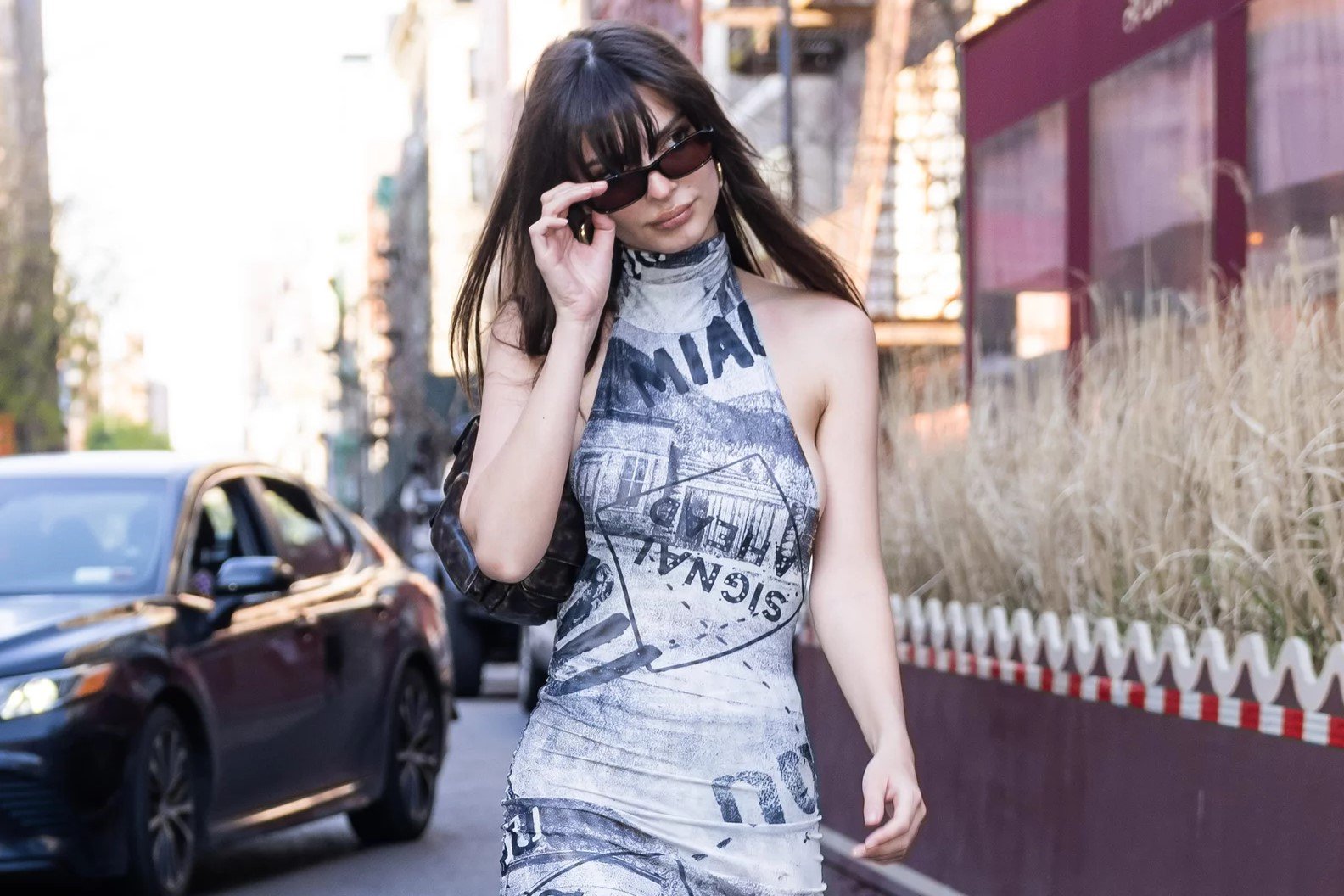
Taffeta Skirt Trend: A emerging designer’s industry breakthrough collided with a red-carpet moment that rewired how fashion’s tastemakers think about volume and shine.
The CFDA Fashion Awards have always been where the American industry crowns its future. This year, that crown landed on Zane Li, a designer whose meticulous construction and use of unexpected textural layers has spent the last eighteen months building a genuine following among stylists and editors who actually move the needle. Li’s work reads as mature without feeling precious, technical without announcing itself, which in a market flooded with irony-first emerging labels feels almost radical. But here’s what’s interesting: within hours of the ceremony wrapping, the narrative split entirely. Li’s win mattered to insiders. What mattered to everyone else was the taffeta skirt trend sparked by what Emily Ratajkowski wore.
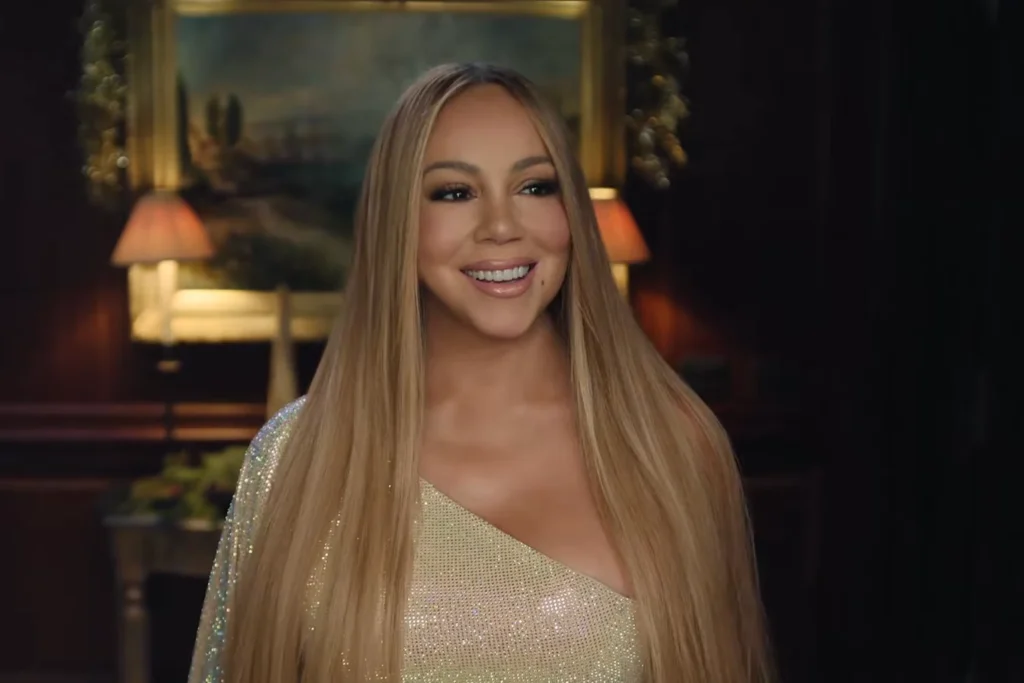
Ratajkowski arrived in a satin taffeta skirt that hit somewhere between architectural and wearable, all that crisp lustre and impossible volume catching light in ways that immediately felt essential rather than novelty. The piece wasn’t a gown. It wasn’t a statement look in the traditional red-carpet sense. It was just a skirt, constructed with enough presence that it read as an entire outfit on its own. Within days, the image had cycled through every platform where fashion-forward people gather. By week two, the taffeta silhouette had moved from “that Emily Ratajkowski thing” to an active shopping category. Brands that had spent seasons chasing quiet luxury suddenly understood they’d miscalculated the appetite for clothes with actual personality and presence.
What makes this collision interesting isn’t the familiar story of celebrity acceleration. It’s that Li’s CFDA validation and Ratajkowski’s taffeta skirt trend represent two completely different languages about what matters in fashion right now. Li’s win speaks to industry gatekeeping, to credentials and the slow accumulation of influence, while the taffeta skirt trend speaks to the direct democracy of desire. Both are reshaping what fashion means in 2026.