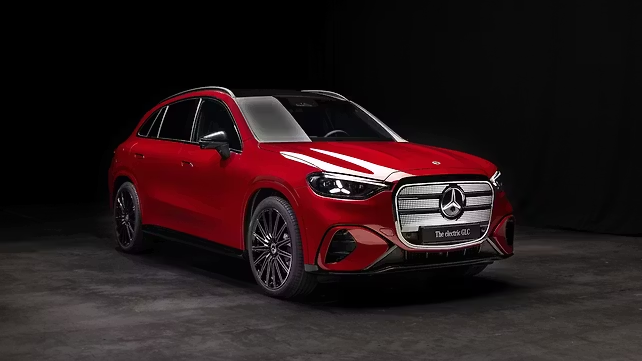
Mercedes-Benz Glc Electric India: Mercedes launches its most attainable electric SUV in India on November 4, betting that the world’s fastest-growing luxury market is ready for accessible EV performance.
When Mercedes-Benz rolls out the GLC Electric in India next month, it’s making a calculated move into territory where German precision meets Indian ambition. The Mercedes-Benz GLC Electric, the brand’s entry-level luxury electric SUV, is landing at a moment when India’s high-net-worth class has grown impatient with waiting for affordable pathways into the EV world. The GLC Electric represents exactly that bridge, positioned below the brand’s full-fat EQC but engineered with enough Mercedes DNA to satisfy buyers who’ve long eyed the three-pointed star but balked at price tags.
India has become impossible to ignore for legacy automakers hunting growth. The country’s luxury vehicle segment has ballooned into one of the globe’s most dynamic markets, with affluent urban buyers increasingly comfortable swapping internal combustion for battery power. Tesla’s absence in India has left a vacuum that traditional manufacturers are rushing to fill, and Mercedes understands the opportunity. The GLC Electric isn’t some stripped-down regional variant either, it’s the same thoughtful platform that’s resonating with European and American buyers, now calibrated for Indian roads, charging infrastructure realities, and purchasing power. That’s a different strategy than simply dumping existing inventory into emerging markets.
The November 4 debut of the Mercedes-Benz GLC Electric matters because it signals Mercedes isn’t treating India as a secondary market anymore. The GLC Electric’s arrival suggests Stuttgart has done the homework on infrastructure readiness, buyer psychology, and competitive positioning. This isn’t a brand chasing market share through radical price cuts, it’s a manufacturer introducing credible electrified hardware to buyers who’ve been waiting for permission to trust a luxury EV in the Mercedes-Benz GLC Electric segment. In a market where brand heritage still counts, the numbers will tell whether India’s affluent are ready to plug in.