Starting in 2028, Sweden bans PFAS from clothing and footwear, forcing luxury and sportswear makers to rebuild supply chains from scratch.
The waterproofing technology that’s been the invisible backbone of premium outerwear and performance sneakers for three decades is about to become illegal. Sweden announced a ban on PFAS, the synthetic compounds that make fabrics repel water and stains, starting in 2028. For an industry built on slick technical fabrics and weather-resistant finishes, it’s a reckoning that’s closer than most brands want to admit.
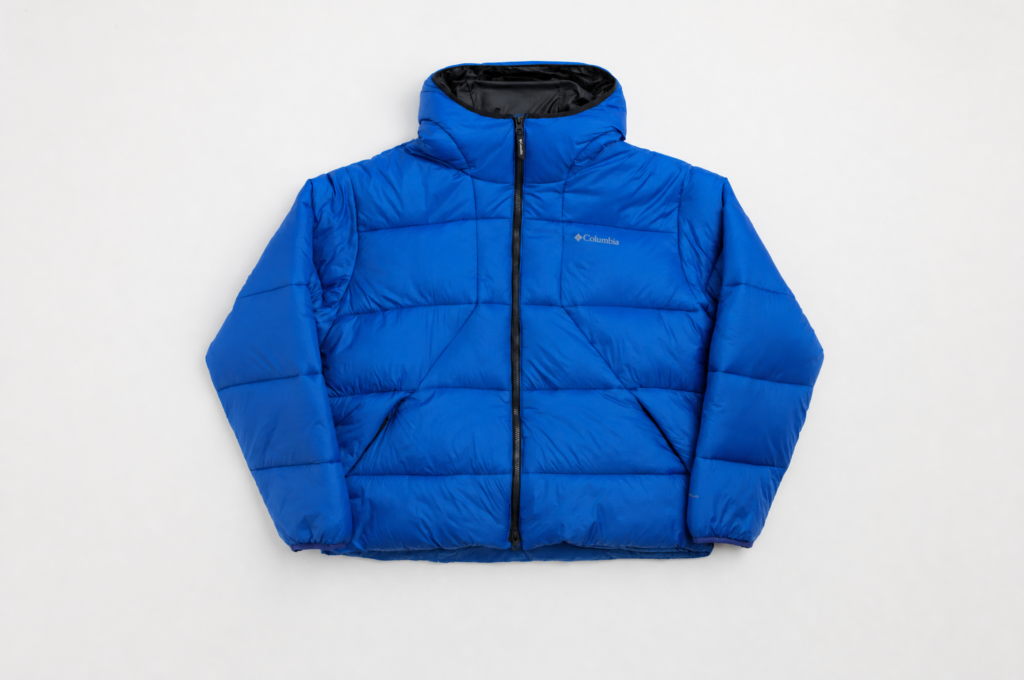
The compounds themselves are called forever chemicals for a reason: they don’t break down in the environment or in human bodies. They accumulate. Major brands from The North Face to Arc’teryx have built their entire aesthetic around materials treated with PFAS, and the ban strips away the chemistry that made those products possible. It’s not a gentle transition. It’s a hard deadline that applies to everything sold in Sweden, which means for any company with European distribution, the math gets complicated fast. Why make two different product lines when one works everywhere?
What Sweden is really signaling is that the old playbook for durability and performance is finished. Brands now face a choice: find alternative water-resistant treatments, accept more frequent replacement cycles, or lean into untreated, natural fibers. Some are already experimenting with plant-based coatings and wax treatments, but none deliver the reliability and longevity that PFAS provided. The technical apparel market spent decades optimizing around a single solution. Building something better takes time, money, and risk. The Swedish deadline doesn’t care about runway schedules or supply chain inertia. By 2028, the entire playbook changes.