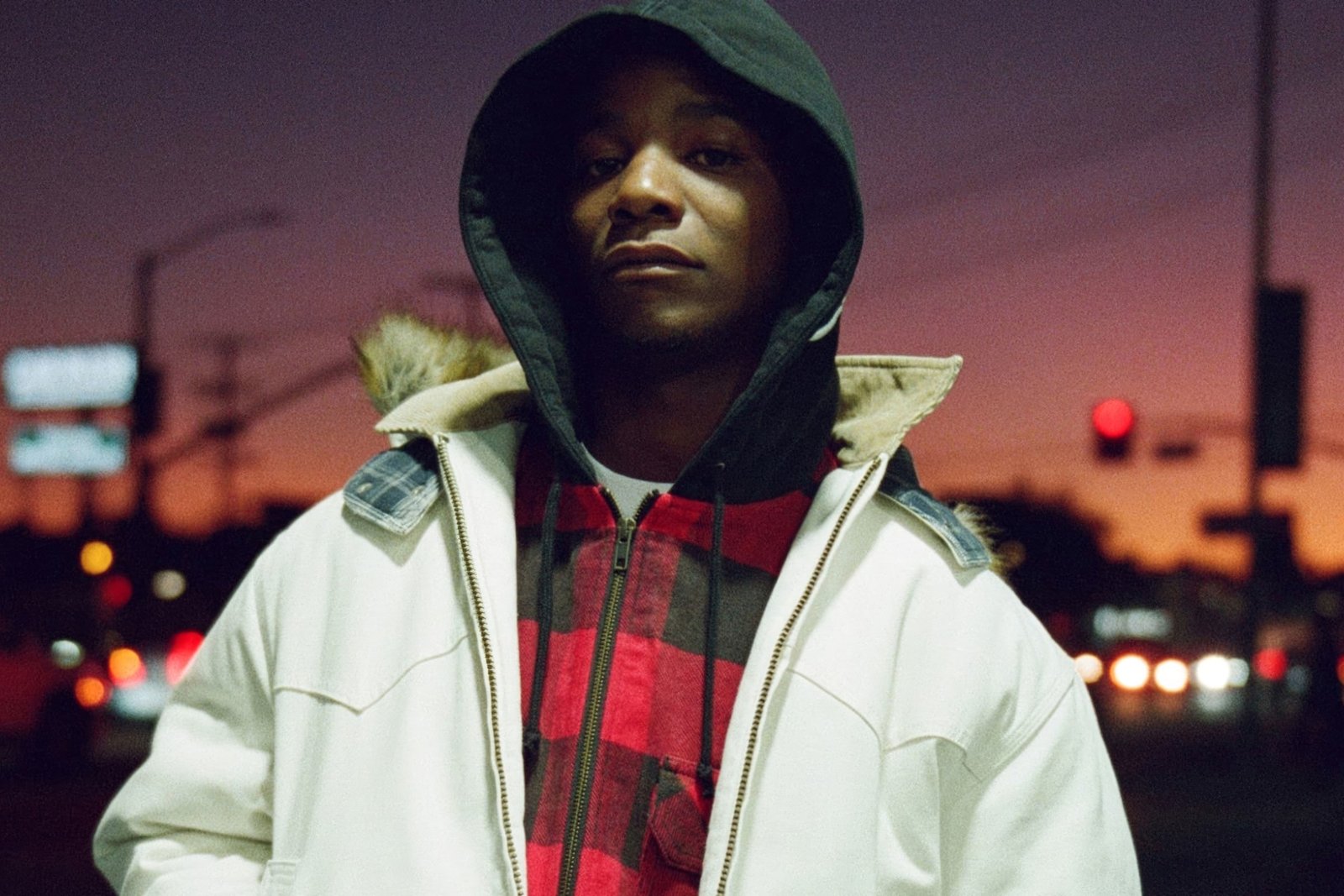
Supreme And Dickies: The box logo brand mines workwear authenticity for a collaboration that strips down the hype and leans into utility.
Supreme has never been subtle about its influences. For fall 2026, the New York streetwear institution is making those roots explicit by collaborating with Dickies, the century-old workwear manufacturer that built its reputation on pants tough enough for actual labor. The partnership marks an interesting creative choice for Supreme, a brand that’s spent three decades turning accessible references into collectible objects. Here, the target is function itself.
The collaboration sits within a broader cultural moment where streetwear has largely exhausted novelty as a selling point. Logos have become familiar. Hype cycles move faster than factories can produce inventory. What’s left is a hunger for authenticity, or at least the appearance of it. By pairing with Dickies, Supreme isn’t just accessing a heritage brand; it’s borrowing from an entirely different cultural archive. Dickies sits outside the fashion system entirely. The brand exists in work sites, not runway venues. Its core customer base has never cared about collaboration announcements or social media drops.
This imbalance is precisely what makes the collection interesting. Dickies brings utilitarian DNA to Supreme’s design language, but the relationship isn’t equal. Supreme brings the box logo, the brand capital, and the distribution machinery. Dickies brings authenticity by proximity. The workwear DNA referenced in the collection’s positioning suggests that pieces will likely blend Dickies’ construction standards and silhouettes with Supreme’s visual language and production scale. Whether that means printed Dickies work jackets or recut trousers with Supreme branding remains to be seen, but the formula has been tested before across Supreme’s archive with other heritage and utility-focused brands.
What’s worth noting is what this choice says about where Supreme sits in 2026. The brand could have partnered with another luxury house or collaborated with a contemporary designer. Instead, it looked sideways into the world of actual workwear, the kind of clothing designed for durability rather than display. That suggests a recognition that the market Supreme operates in has matured. The customers buying this collection aren’t necessarily new to fashion. They’ve absorbed enough streetwear history to understand the reference. They’re looking for something that lands differently.
Dickies, for its part, represents a category of brand that has flourished precisely because it refuses to perform. The company manufactures work uniforms and practical clothing, sells them at accessible price points, and doesn’t spend marketing budgets on cultural commentary. Its sudden visibility in the fashion conversation has less to do with any strategy shift and more to do with fashion’s own recalibration. When oversaturation kills novelty, heritage and authenticity become scarce. Dickies has always had both.
The fall 2026 timing matters as well. Autumn collections traditionally allow for heavier fabrics, layering, and pieces that read as functional rather than purely aesthetic. It’s the season where workwear codes translate most naturally into everyday dress. A Dickies work shirt can sit between a t-shirt and an overshirt without feeling out of place. The same piece bearing Supreme’s approval doesn’t fundamentally change its utility, but it does change its cultural weight.
What collectors will actually be hunting for remains unclear without seeing the full range, but history suggests Supreme will apply its usual restraint to the collaboration. The brand’s most successful partnerships rarely overwhelm the source material with its own visual vocabulary. Instead, they layer it in subtly, letting the original brand’s credibility do most of the work. With Dickies, that approach feels almost necessary. Too much Supreme branding would undermine the entire point of the partnership. Too little and it disappears into standard Dickies retail.
The Supreme and Dickies collaboration for fall 2026 represents more than just another limited-edition drop. It signals a maturation in how streetwear engages with heritage, authenticity, and function. When oversaturation kills novelty, brands like Dickies become valuable precisely because they’ve never chased fashion trends. Supreme and Dickies together suggest that the next phase of collectible fashion isn’t about louder logos or faster drops, but about borrowing credibility from cultures and industries that existed long before the hype cycle began.