Timed to the nation’s 250th birthday, Norway’s Snøhetta just completed a presidential library that regenerates more resources than it consumes.
The Theodore Roosevelt Presidential Library opened this year as the first presidential library in America designed to net positive standards, meaning it produces more energy and water than it uses. Designed by the Oslo-based architecture firm Snøhetta, the building sits in the North Dakota badlands where Roosevelt once ranched, a deliberate geographic anchor that ties the structure to its subject’s philosophy on conservation and land stewardship.
What makes this different from standard sustainable building is the regenerative framework. The library’s geothermal systems, rainwater harvesting, native prairie restoration, and energy-generating capacity create a closed loop rather than merely reducing harm. The building breathes with the landscape. Solar arrays don’t just power the interiors; they feed excess capacity back to the grid. Stormwater doesn’t run off; it infiltrates restored wetlands on the 63-acre site. The architecture isn’t trying to minimize its footprint so much as to improve the ground it occupies.
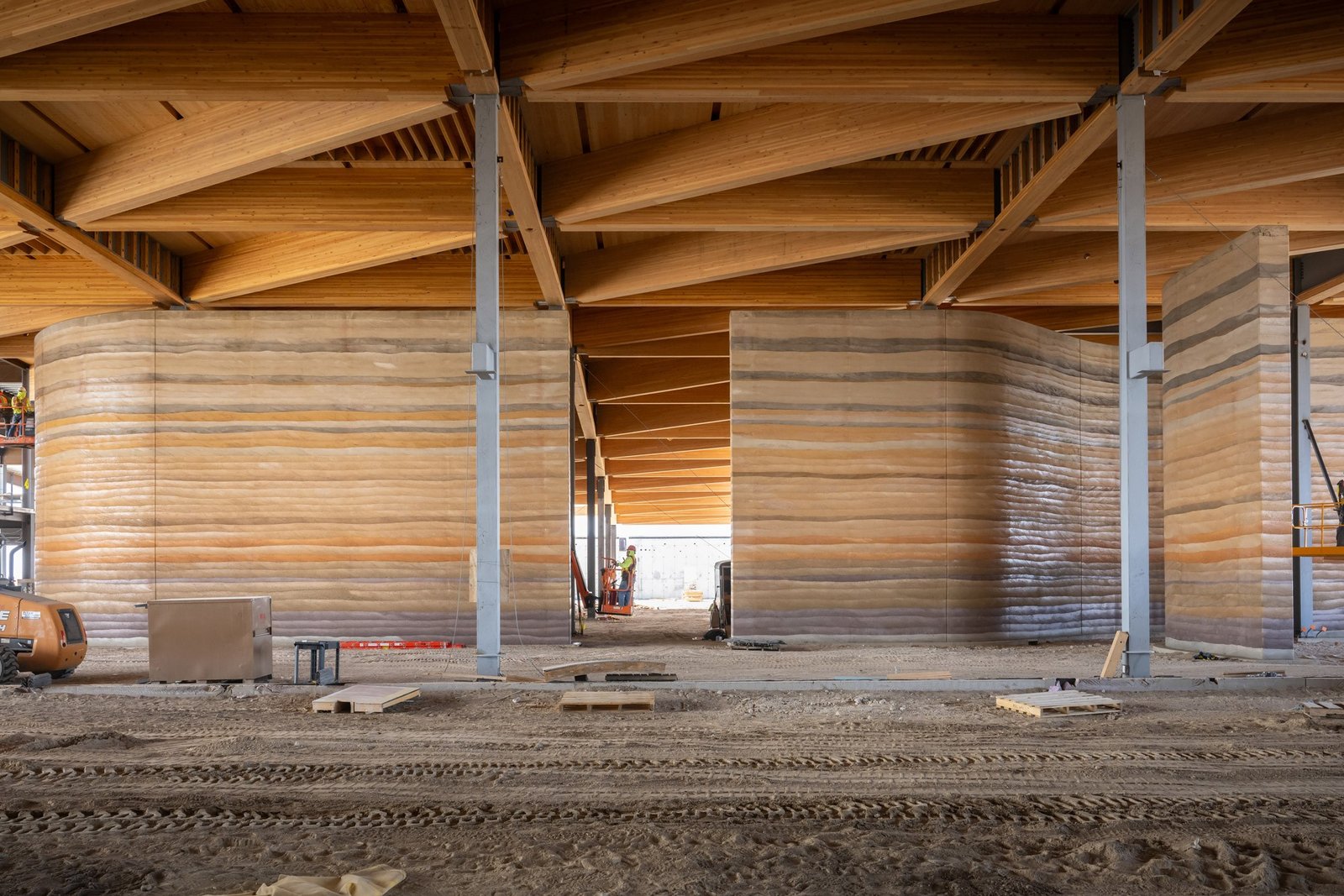
Snøhetta’s signature approach merges Scandinavian functionalism with site responsiveness, and here the firm integrated materials tied to Roosevelt’s era and the Northern Great Plains ecology: reclaimed wood, stone sourced locally, and a design language that reads as both modern and rooted. The timing matters. Completed ahead of America’s 250th anniversary, the library represents a shift in how cultural institutions measure their environmental responsibility. It’s no longer enough to be efficient. The benchmark is now regeneration.