The annual festival plants design interventions across the metro to examine how the Pacific Northwest city is reshaping itself.
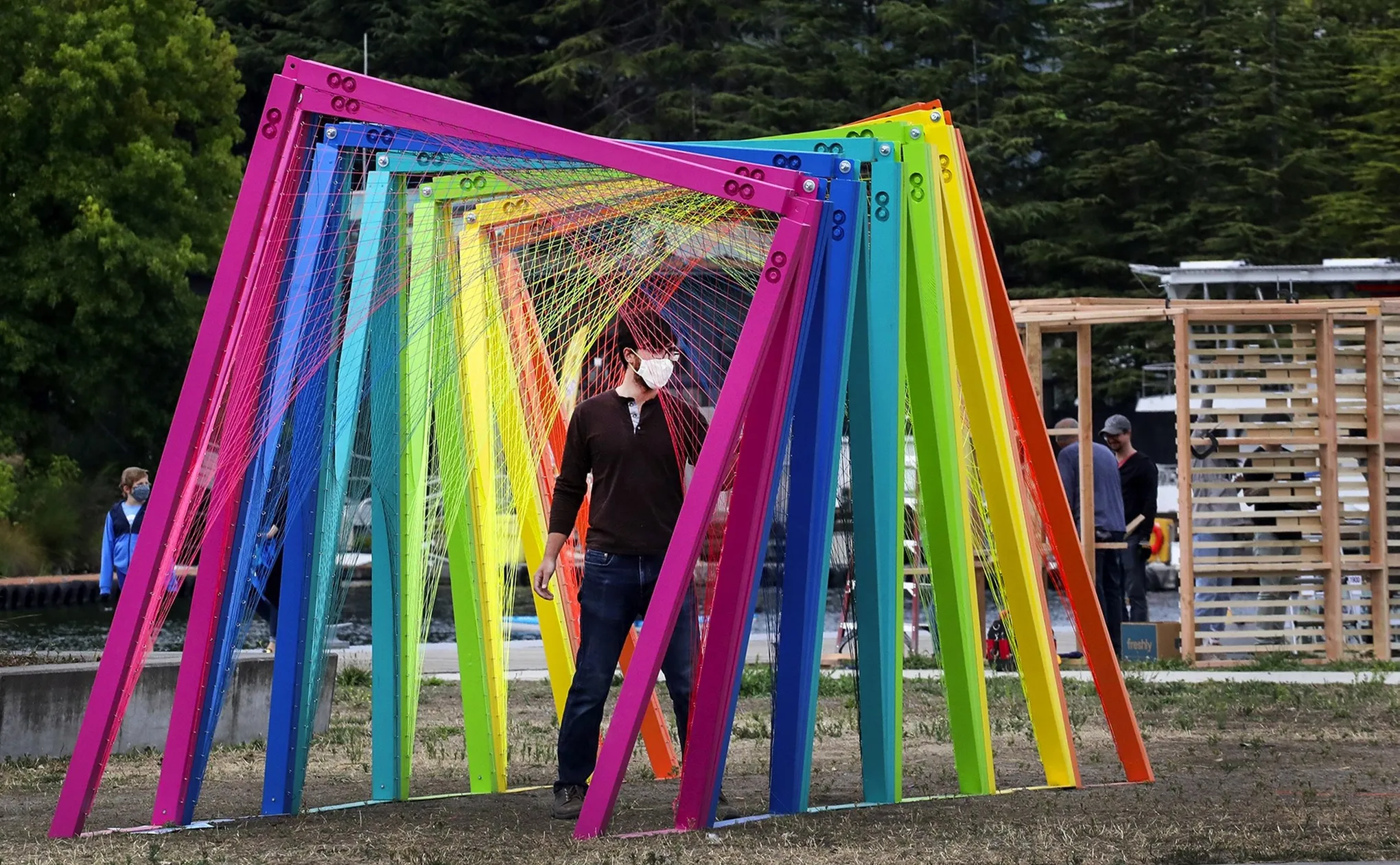
Seattle Design Festival 2026 is using architecture and installation to frame the city’s ongoing metamorphosis. Launching under the curatorial lens of “IN[FLUX],” the festival positions design as a lens through which to view rapid urban change, with works scattered across the greater Seattle metropolitan area rather than confined to a single venue or neighborhood.
The thematic framing suggests a deliberate move beyond static exhibition. By anchoring the festival to flux and transition, organizers are treating the city itself as a living design laboratory. Seattle has spent the last decade managing explosive tech-industry growth, housing pressures, and demographic shifts. Rather than ignore these tensions, the festival appears positioned to use design objects and spatial interventions as a way to make visible what’s often felt but rarely directly confronted in public space.
The distributed format, spread across multiple sites in the metro, reflects a broader cultural shift in how design institutions present work. Instead of asking audiences to converge on a single cultural district, the festival model treats the entire region as permeable and interconnected. This approach is increasingly common at architecture and design festivals that want to engage not just specialists and cultural tourists, but everyday residents moving through their own neighborhoods.
The festival arrives as Seattle continues to negotiate its identity as a global tech hub while grappling with affordability and livability questions that plague most West Coast cities. By framing design as a tool for understanding transformation rather than solving it, IN[FLUX] appears to be staking a position on what design festivals can do: create space for reflection and conversation rather than promise solutions.