Alcohol is no longer the glue binding social gatherings together; fitness-first friendships have become the dominant way people build community in 2026.
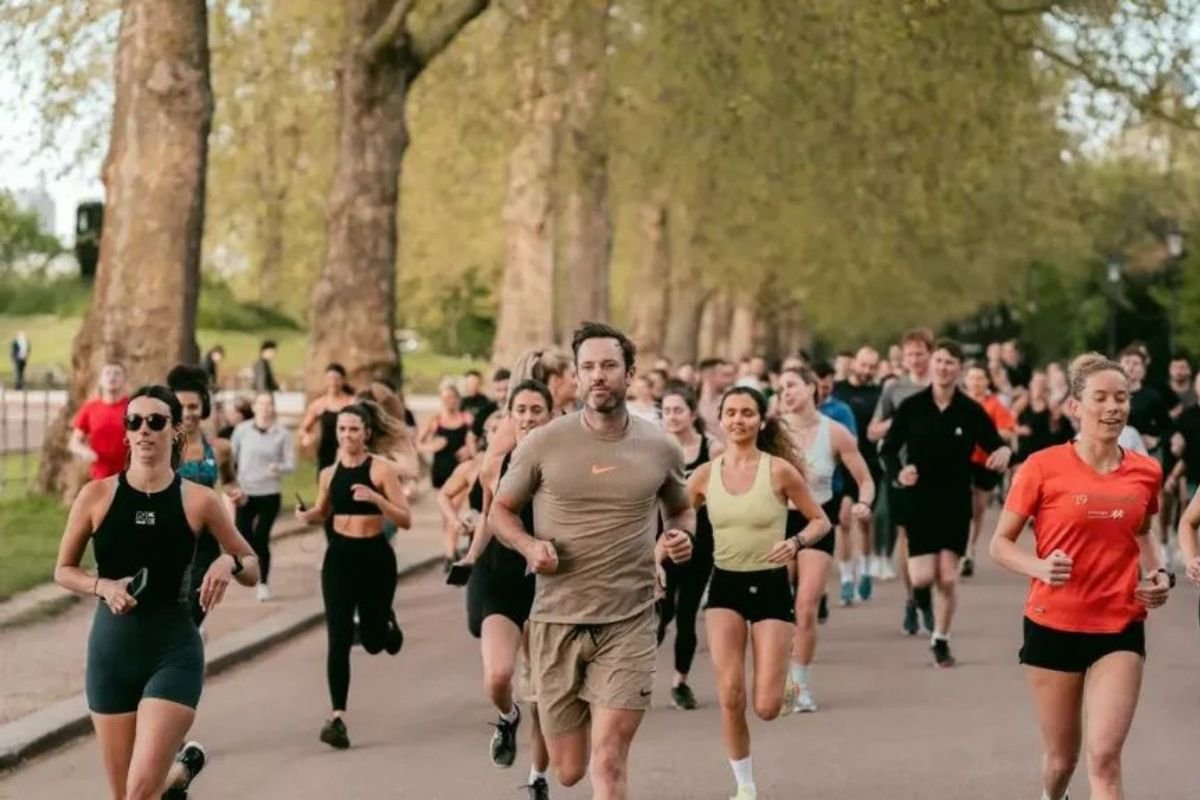
The bar crawl is dead. In its place: dawn runs with matching kits, post-workout coffee circles, and structured fitness events that function as the actual social anchors for urban culture right now. Run clubs have exploded into a mainstream phenomenon, reshaping how people think about going out and building friendships altogether.
What started as a fringe fitness movement has become the blueprint for how an entire generation wants to spend their social time. Groups are organizing nightly and weekend runs through cities worldwide, complete with Discord channels, branded merchandise, and sponsor partnerships that rival actual bars. The appeal is straightforward: you get the community hit of clubbing without the hangover, the social status of being seen without the performance anxiety, and actual endorphin-backed good feelings instead of manufactured ones.
The broader shift away from alcohol-centered culture isn’t about wellness preaching or sobriety politics. It’s practical. Young professionals and millennials are aging out of the “let’s get drunk” social script. They’re burned out, financially careful, and frankly bored by the same bar scene they’ve been rotating through for a decade. A run club delivers novelty, fitness gains, a defined endpoint, and a roster of people who actually show up consistently because they committed to a physical goal. Bars can’t compete with that infrastructure.
This isn’t a niche trend reserved for gym bros either. Run clubs span age groups, fitness levels, and neighborhoods. They’re replacing the casual socializing function that pubs and lounges have held for centuries. The 2026 move isn’t toward sobriety as ideology, it’s toward socializing that delivers real value and doesn’t require a 2 AM Uber ride home.