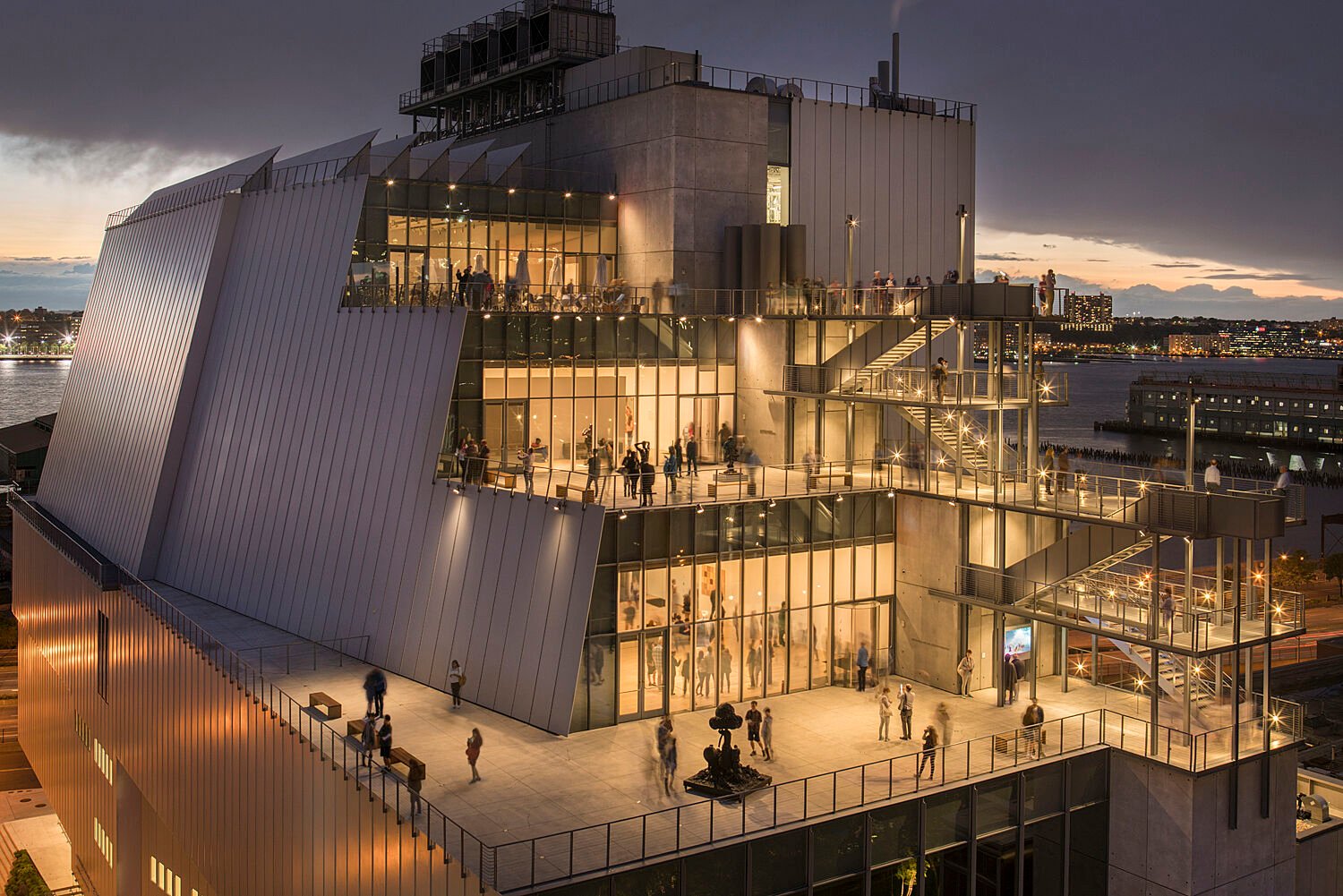
The Whitney Museum is mounting a major Roy Lichtenstein retrospective this fall, bringing together 130 works that trace the Pop Art pioneer’s career from his commercial breakthrough to large-scale institutional experiments. Opening October 11, the exhibition reconstructs the artist’s legendary 1962 debut at the Castelli Gallery alongside subsequent masterworks including the seminal ‘Drowning Girl,’ establishing a comprehensive view of how Lichtenstein moved from gallery-scale paintings to architectural interventions that challenged the boundaries between fine art and mass production.
Lichtenstein’s ascent in the early 1960s coincided with a cultural moment when American artists were beginning to openly mine comic books, advertising, and commercial imagery as legitimate source material. His mechanical precision and bold Ben Day dots became instantly recognizable, transforming pulp narratives and mundane consumer goods into monumental canvases. The 1962 Castelli show functioned as a watershed moment, establishing Lichtenstein alongside Warhol, Rosenquist, and Oldenburg as a defining voice in Pop Art. By reuniting works from that pivotal debut, the Whitney exhibition provides visitors with a rare opportunity to experience the moment that shifted American art’s relationship with vernacular culture.
The retrospective extends beyond paintings into the mural-scale works that occupied much of Lichtenstein’s later practice. These larger installations, integrated into architectural spaces, reveal an artist constantly negotiating scale and public engagement. Rather than remaining confined to gallery walls, Lichtenstein’s ambitions expanded toward environments where his signature visual language could occupy entire rooms. This evolution from intimate canvas to expansive wall works demonstrates how thoroughly he reconceived what Pop Art could accomplish beyond the confines of the easel painting.
The Roy Lichtenstein retrospective at the Whitney represents a definitive reassessment of how one artist fundamentally reshaped American culture’s relationship with mass imagery, proving that the boundary between commercial vernacular and fine art was always more permeable than institutional gatekeepers admitted. By October 11, visitors will witness the full arc of his ambitions realized.