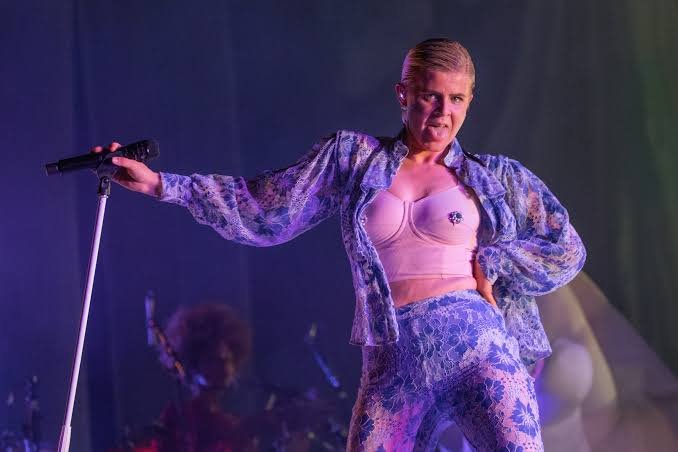
Robyn’S Sexistential Tour: The Swedish pop visionary is finally touring again, and her absence makes the moment feel like a cultural event rather than just another arena run.
Robyn’s Sexistential Tour marks her return to the road, and for a figure who has spent the better part of a decade operating on her own terms, that simple fact carries outsized weight. The tour represents the kind of full-scale global campaign most artists treat as routine, but for someone who has deliberately limited her live footprint in recent years, choosing sparse festival appearances and the occasional one-off over the machinery of constant touring, this is genuinely rare. It’s the kind of announcement that sends a particular kind of fan into a frenzy: the people who have been waiting, sometimes for years, to experience her craft on a stage again.
What makes this tour significant isn’t just the return itself, but what it signals about Robyn’s relationship with her own visibility and power. She has become increasingly selective about her public presence, treating touring almost as a privilege to be earned rather than an obligation to be met. Most contemporary pop stars burn themselves out in an endless cycle of dates and cities, treating the road as a necessary evil for career maintenance. Robyn has consistently rejected that model. Her rare appearances have become events in themselves, generating anticipation that feels almost theatrical in its intensity. A Robyn tour announcement doesn’t land the way a typical artist’s does. It lands like news.
The Sexistential Tour exists in a particular cultural moment where Robyn’s influence on electronic pop, club music, and the broader landscape of contemporary pop has only deepened in her absence. Her records from the past decade have been studied with the kind of reverence typically reserved for era-defining albums, not side projects from artists supposedly in semi-retirement. Younger producers and pop acts have built entire aesthetics around her work, cementing Robyn’s Sexistential Tour not just as a return to performing, but as a cultural reckoning with an artist whose impact transcends the road.