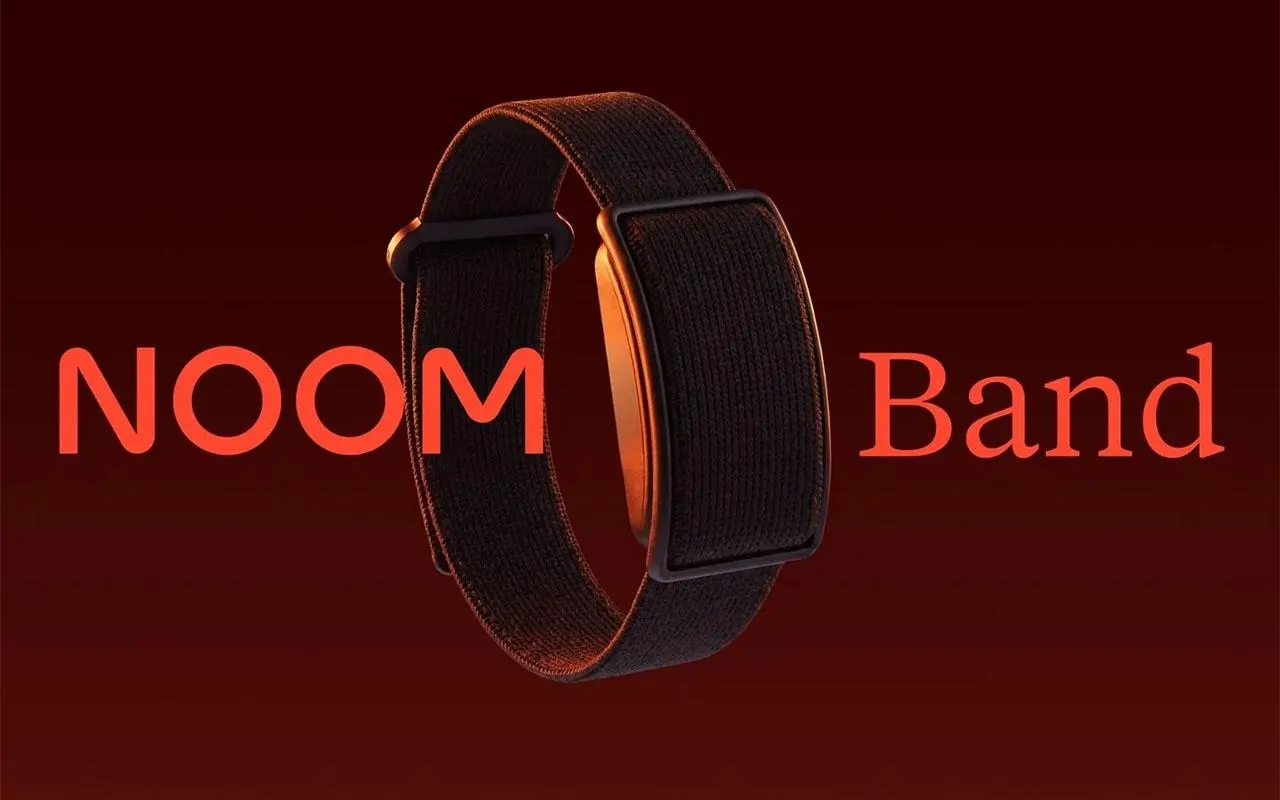
Noom Hardware: The weight-loss app that disrupted digital health is now making wearables, signaling a seismic shift in how metabolic wellness gets measured and sold.
Noom, the psychology-first weight management app that built a multi-billion dollar business on behavior change and habit tracking, has just made a move that redefines what the company actually is. The digital health giant is launching a metabolic health wearable, marking its first major venture into Noom hardware. For an outfit that spent over a decade proving that software could out-compete traditional diet solutions, this pivot is not just a product expansion, it’s a philosophical shift about where the real leverage in wellness tech lives now.
The timing is audacious. The wearables market has exploded over the past eighteen months, with everything from glucose monitors to AI-powered rings flooding the metabolic health conversation. But Noom’s entry into this space carries different weight than a startup entering at the same time. The company has direct access to tens of millions of users generating behavioral and metabolic data daily. A wearable doesn’t just become another gadget on your wrist. It becomes the hardware manifestation of Noom’s entire data model, the physical bridge between the app’s psychological framework and real-time biometric feedback.
What makes this move genuinely unexpected is the operational complexity it introduces. Noom built its reputation by keeping things lean and digital. The company’s entire playbook centered on converting dieting psychology into habit loops that could be delivered through an app interface. Hardware means supply chains, manufacturing partners, firmware updates, warranty logistics, and all the messy physicality that software companies typically avoid. For a company that scaled through direct-to-consumer subscription revenue, adding a physical product means completely different unit economics, return rates, and customer support infrastructure.
Noom Hardware and the Shift to Closed-Loop Measurement
The broader context matters here. Metabolic health has stopped being a footnote in fitness culture and become a central organizing principle. Apps like Strava and Peloton proved that connected hardware could drive engagement and recurring revenue. Continuous glucose monitors went mainstream through Freestyle Libre and Dexcom, moving out of diabetes management and into performance optimization for healthy people. Meanwhile, Oura, Apple, and Whoop have all demonstrated that wearables capturing sleep, activity, and recovery data command premium pricing and powerful data moats.
Noom’s decision to build a wearable suggests the company sees the same trajectory everyone else does: the future of metabolic wellness isn’t just about counting calories or logging meals. It’s about closed-loop measurement. Without wearable data, Noom’s app remains a tool for self-reporting and behavioral coaching. With wearable hardware feeding real-time biometric signals back into the app, Noom transforms into a comprehensive metabolic operating system. Users get continuous feedback about how their habits translate into actual physiological change. The company gets proprietary data about which behavioral interventions produce measurable metabolic shifts. That’s the kind of feedback loop that turns a good wellness app into something irreplaceable.
The Hardware Play and What Gets Lost
There’s a subtlety in this transition that most people will overlook. When a software company enters hardware, it doesn’t just add a product line. It shifts the entire unit economics and customer relationship. Noom’s subscription model works because marginal cost approaches zero once the app is built. A wearable device, by contrast, has real manufacturing cost, fulfillment cost, and warranty liability. This means Noom likely can’t use the same freemium and low-cost tiering strategy that made it accessible to millions of price-sensitive dieters. The wearable probably arrives as a premium tier offering, bundled with enhanced app features, pushing the company upmarket.
That’s not necessarily bad strategy. It’s just a different business. Noom moves from “millions of users at low price points” to “smaller, more engaged base at higher price points.” The company starts competing more directly with Oura and Whoop than with MyFitnessPal or Cronometer. That opens new revenue potential but also narrows the addressable market and shifts the culture of the user base toward people who are already deep in optimization culture.
The real competitive advantage Noom brings isn’t the hardware specs or the wearable itself. It’s the behavioral science layer baked into how the company interprets and responds to wearable data. Any company can manufacture a device that tracks heart rate variability and movement. Noom can build an app that uses that data to trigger specific psychological interventions at specific moments, based on years of research about how behavioral change actually happens. The wearable is just the data input. The moat is in the response layer.
What’s genuinely interesting about this move is what it signals about the future of digital health more broadly. A decade ago, the question was whether software could replace hardware. The Apple Watch seemed to validate that thesis. Now the question has flipped: in metabolic health, is software without hardware even competitive anymore? Noom’s answer is apparently no. The company isn’t abandoning its core app. It’s recognizing that in a market saturated with biometric data points, the companies that own both the data capture and the behavioral interpretation layer win. This wearable isn’t just a product launch. It’s Noom declaring which layer of the market it actually wants to dominate.
Sources: insider.fitt.co